
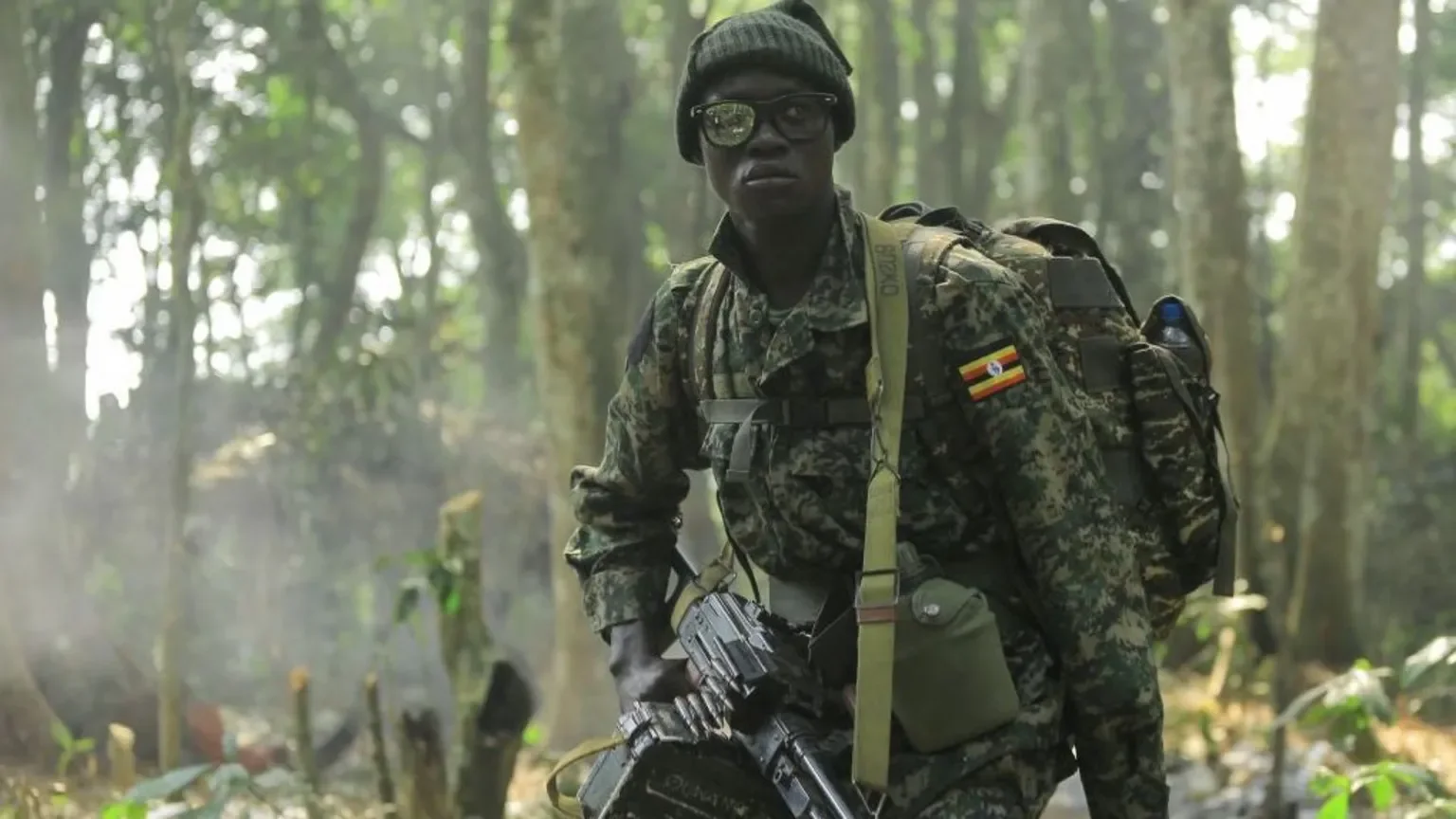
Uganda is preparing to pull its troops out of Lubero, an eastern Democratic Republic of Congo town where its forces have spent nearly two years pursuing Islamist militants, as a diplomatic dispute between Kampala and Kinshasa threatens to strain military relations between the neighbouring countries.
The Ugandan military announced on Friday that the withdrawal would take place within two weeks, after which security responsibilities in Lubero, North Kivu province, would be transferred to Congolese government forces.
The decision comes days after DR Congo summoned Uganda's senior diplomat in Kinshasa to demand explanations over remarks made on social media by Uganda's military chief, Gen Muhoozi Kainerugaba, the son of President Yoweri Museveni.
Uganda's army did not disclose what had prompted the decision to leave Lubero or clarify whether the move had anything to do with the growing diplomatic disagreement.
The Ugandan People's Defence Forces (UPDF) entered the area to pursue fighters belonging to the Allied Democratic Forces (ADF), who had moved into Lubero after fleeing joint military operations in other parts of eastern DR Congo.
The ADF, an Islamist militant organisation that emerged in Uganda during the 1990s, has links to the Islamic State and is accused of carrying out numerous deadly attacks against civilians across the two countries.
Uganda launched its current military intervention in eastern DR Congo in November 2021, following a series of bomb attacks in Kampala. The deployment was part of a joint campaign with Congolese forces aimed at dismantling the ADF's operations.
Despite the planned withdrawal from Lubero, Uganda has indicated that its military involvement in the neighbouring country will not end.
Army spokesperson Col Chris Magezi said Operation Shujaa, the joint campaign against the militants, would remain active in other parts of DR Congo. He clarified that the latest decision was limited to Lubero town.
However, the prolonged military campaign has not eliminated the ADF threat. Five years after the joint offensive began, the group remains the deadliest armed organisation in DR Congo, even though its attacks in Uganda have declined, according to conflict monitoring organisation Armed Conflict Location & Event Data (Acled).
Acled's DR Congo analyst, John Ngono, said the militants continued to kill an average of four civilians daily and had extended their activities into parts of eastern DR Congo that had previously experienced little of their violence.
Explaining the impact of the joint military campaign, Ngono said the findings suggested that "Operation Shujaa may have improved security in Uganda while shifting the geographical impact of violence within the DRC".
Acled reported that the ADF had not attacked Uganda since June 2025. However, the group's increasing interest in mineral resources in DR Congo could give it access to funds needed to sustain its operations and maintain its threat to security in both countries.
The troop withdrawal announcement has also drawn attention because of the deteriorating relationship between Kampala and Kinshasa, despite their history of cooperation in fighting armed groups operating along their shared security interests.
Earlier this week, Gen Kainerugaba appeared to support a rebel takeover of Walikale, a mineral-rich territory in eastern DR Congo. He further threatened that Ugandan troops would move in and seize the area themselves if the rebels failed to capture it.
The comments triggered a diplomatic response from Kinshasa, with DR Congo's foreign ministry describing the remarks as "particularly serious".
The ministry demanded that Uganda clarify its official position and take measures to prevent similar incidents in the future.
Gen Kainerugaba subsequently defended Uganda's military presence in eastern DR Congo, arguing that the deployment was motivated by security concerns.
Meanwhile, the planned exit from Lubero comes as Congolese government troops and rebel fighters engage in renewed clashes across the wider territory, heightening fears over the security of residents.
Eastern DR Congo has remained unstable for decades, with dozens of armed groups fighting for control in different areas. The violence has displaced millions of people, forcing families to flee their homes in search of safety.