TSC flags legal risk as Sh5.3bn teacher insurance funding is left out
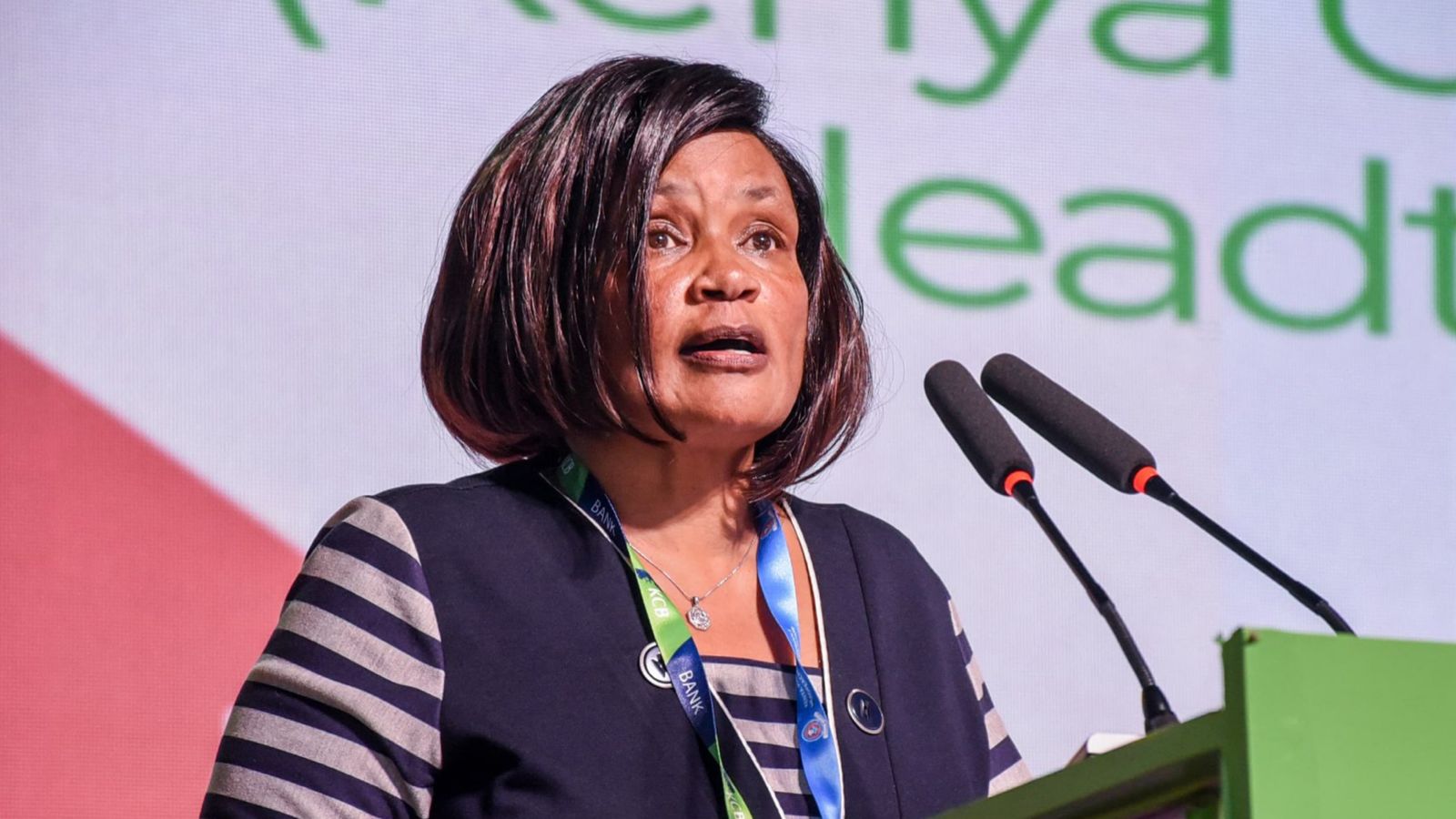
The Teachers Service Commission said the three insurance packages form a core part of teacher welfare, ensuring financial protection in cases of death, injury, or occupational illness.
A funding shortfall in the Teachers Service Commission’s new budget has raised concern over the future of mandatory insurance protection for teachers, after Sh5.3 billion needed for life, accident and workplace cover was left out of the 2026/27 financial estimates.
The commission has cautioned that the omission could trigger legal disputes since the cover is required under law for all public sector workers.
During budget presentations, Acting Commission Secretary and Chief Executive Officer Evaleen Mitei said the affected covers include Group Life Insurance, Group Personal Accident, and Work Injury Benefits Act (WIBA) provisions.
“Group Life, Group Personal Accident and WIBA covers for teachers, estimated at Sh5.3 billion, have not been factored into the proposed budget. Members may note that this is a statutory requirement under the Work Injury Benefits Act, 2007 and the Public Service Superannuation Act, therefore posing a risk of attracting litigation against the Commission,” said Ms Mitei.
The commission said the three insurance packages form a core part of teacher welfare, ensuring financial protection in cases of death, injury, or occupational illness.
Group Life Insurance benefits families after the death of a teacher, Group Personal Accident cover caters for injuries and disability, while WIBA protects workers affected by job-related injuries or diseases.
The disclosure comes at a time when teacher unions have been raising concerns over health and welfare services, particularly access to medical care.
In March, the Kenya Union of Post Primary Education Teachers issued a strike notice after reporting failures in the medical cover system under the Social Health Authority.
The union said teachers were being denied treatment in some facilities despite deductions being made from their salaries every month.
“What is happening now is not what teachers should undergo. If this continues, the lives of the teachers we represent are going to be compromised,” said Kuppet Secretary-General Akello Misori.
At the same time, TSC is still dealing with unpaid obligations from the previous medical insurance arrangement with Minet Kenya.
Budget documents show an outstanding balance of Sh4.448 billion after the contract expired on November 30, 2025.
“The Commission has no stock of historical pending bills. However, following the expiry of the contract for provision of medical cover for teachers with Minet Kenya Limited on November 30, 2025, an amount of Sh7.448 billion remained outstanding,” said Ms Mitei.
TSC said Sh3 billion had been paid through supplementary allocations, but the remaining balance is yet to be cleared.
The commission noted that this obligation is separate from the current national health scheme under the Social Health Authority, which now covers teachers and their dependants.
It added that more than 400,000 teachers and one million dependants are already registered under universal health coverage linked to the government’s development agenda.
TSC’s total proposed budget for the next financial year stands at Sh422.652 billion, slightly lower than earlier projections.
The commission warned that the reduction could affect key functions such as teacher training, discipline cases, and rollout of competency-based education.
“The reduction will adversely affect training and/or retooling of teachers on the Competency-Based Education and the management of teacher discipline cases.”
Out of the allocation, Sh419.684 billion is earmarked for salaries and benefits, Sh2.081 billion for operations, and Sh742 million for development.
Additional funding needs include Sh800 million for field operations and transport support, and Sh2.2 billion for acting allowances for officers in interim roles.
Despite the budget challenges, TSC said it has recruited 100,000 teachers over the last three years and plans to regularize 20,000 interns into permanent jobs in the coming financial year.




Comments
Sign in with Google to comment, reply, and like comments.
Continue with Google