Six killed in southern Lebanon strike as ceasefire talks continue
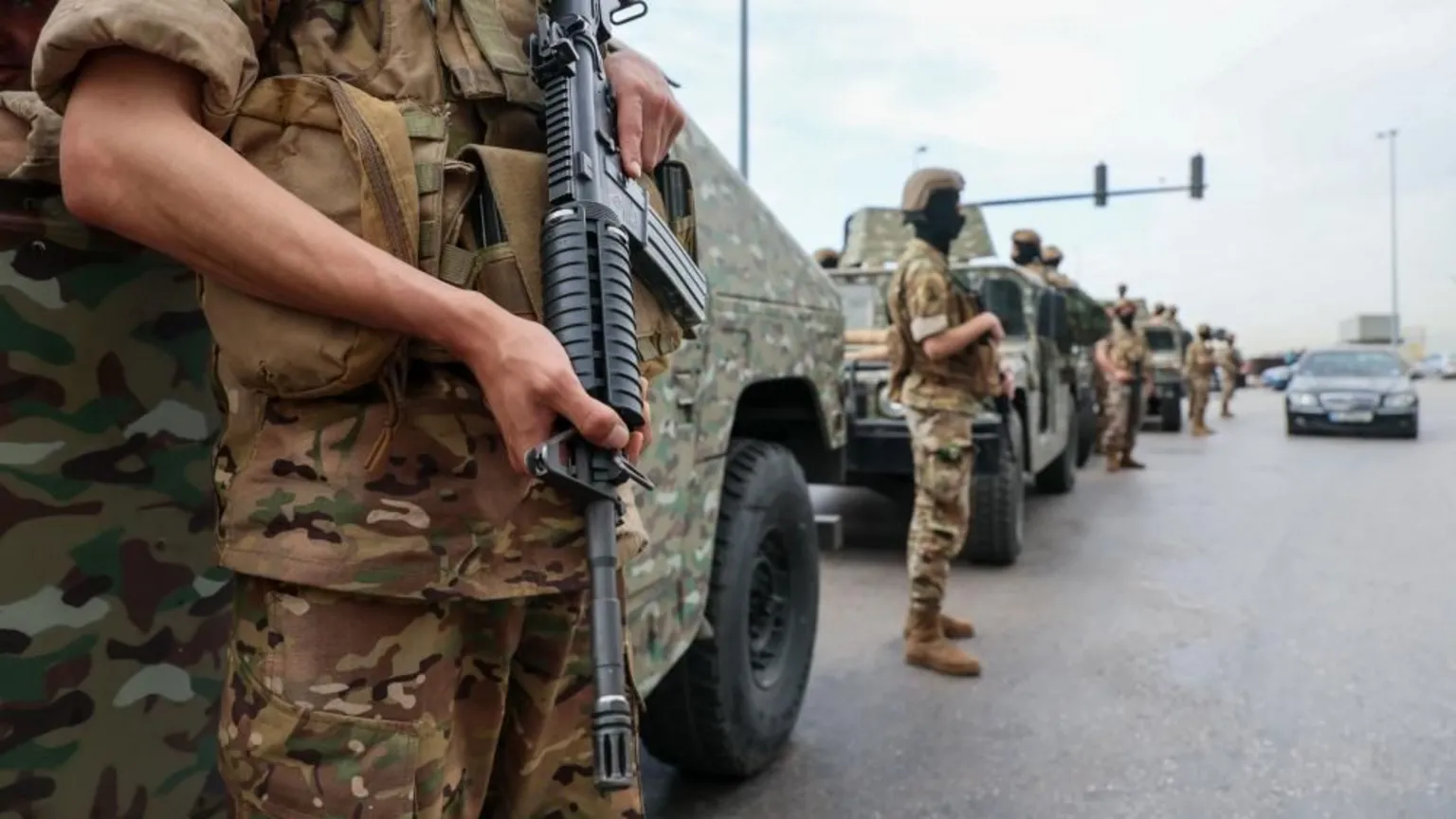
The incident comes as the United States says Israel and Lebanon have agreed to extend a shaky 45-day ceasefire following two days of talks in Washington DC. The US State Department announced the extension on Friday, saying the discussions were aimed at reducing tensions along the border.
An Israeli air strike in southern Lebanon has killed six people, including three paramedics, after a civil defence centre was hit in the town of Harouf, according to Lebanon’s health ministry. The attack has deepened concerns over rising civilian casualties even as diplomatic efforts continue to extend a fragile ceasefire between Israel and Lebanon.
The health ministry said the strike targeted a civil defence facility, leaving one other paramedic in critical condition after the attack. Lebanese authorities have repeatedly accused Israel of striking civilians and emergency workers, claims Israel has denied.
The incident comes as the United States says Israel and Lebanon have agreed to extend a shaky 45-day ceasefire following two days of talks in Washington DC. The US State Department announced the extension on Friday, saying the discussions were aimed at reducing tensions along the border.
US President Donald Trump announced the truce on 16 April, but both sides have continued exchanging fire despite the agreement. The State Department said it would "reconvene the political track of negotiations" in June, while a separate security track involving military delegations from both countries will begin at the Pentagon on May 29.
"We hope these discussions will advance lasting peace between the two countries, full recognition of each other's sovereignty and territorial integrity, and establishing genuine security along their shared border," said state department spokesman Tommy Pigott.
"In addition, a security track will be launched at the Pentagon on May 29 with military delegations from both countries," Pigott added.
Israel’s Ambassador to the US, Yechiel Leiter, said the talks were "frank and constructive".
Lebanon’s Prime Minister Nawaf Salam said he hoped to "mobilise all Arab and international support to bolster our position in the negotiations" with Israel.
Despite the diplomatic push, fighting has continued almost daily since the ceasefire began. Hezbollah and Israeli forces have been trading fire across the southern border, with Israel stepping up air and artillery strikes in recent days, saying it is targeting Hezbollah fighters and infrastructure.
On Wednesday, Lebanon’s health ministry said Israeli air strikes killed 22 people, including eight children, across the south. The latest escalation has raised fears that the ceasefire remains unstable.
The Israeli military says it is working to create a buffer zone in southern Lebanon to stop future Hezbollah attacks. Entire villages in the south have reportedly been destroyed in operations similar to those used in Gaza. Human rights groups have warned that some of these actions could amount to war crimes, which Israel denies.
Hezbollah has also carried out attacks on Israeli troops in Lebanon and northern Israel using rockets and drones.
Southern Lebanon remains a strong base for Hezbollah and has been under heavy bombardment. More than one million people have been forced from their homes across Lebanon, many from the south, the eastern Bekaa Valley, and the southern suburbs of Beirut known as Dahieh.
The conflict began on 2 March, two days after the United States and Israel launched a joint attack on Iran. Hezbollah responded by firing rockets into Israel, triggering widespread Israeli air strikes and a ground invasion of southern Lebanon.
At least 2,896 people have been killed in Lebanon since then, according to the health ministry. Israeli authorities say 18 soldiers and four civilians have died in the same period.

Comments
Sign in with Google to comment, reply, and like comments.
Continue with Google