
Women seeking elective positions in the 2027 General Election have been promised stronger legal protection, better access to political party structures and safer campaigning spaces following the launch of a new initiative aimed at breaking barriers to their participation in leadership.
The Federation of Women Lawyers in Kenya (FIDA-Kenya) on Wednesday, November 25, unveiled the Vote-A-Dada 2027 campaign, bringing together electoral agencies, political leaders, civil society organisations and development partners to push for greater inclusion of women in political decision-making.
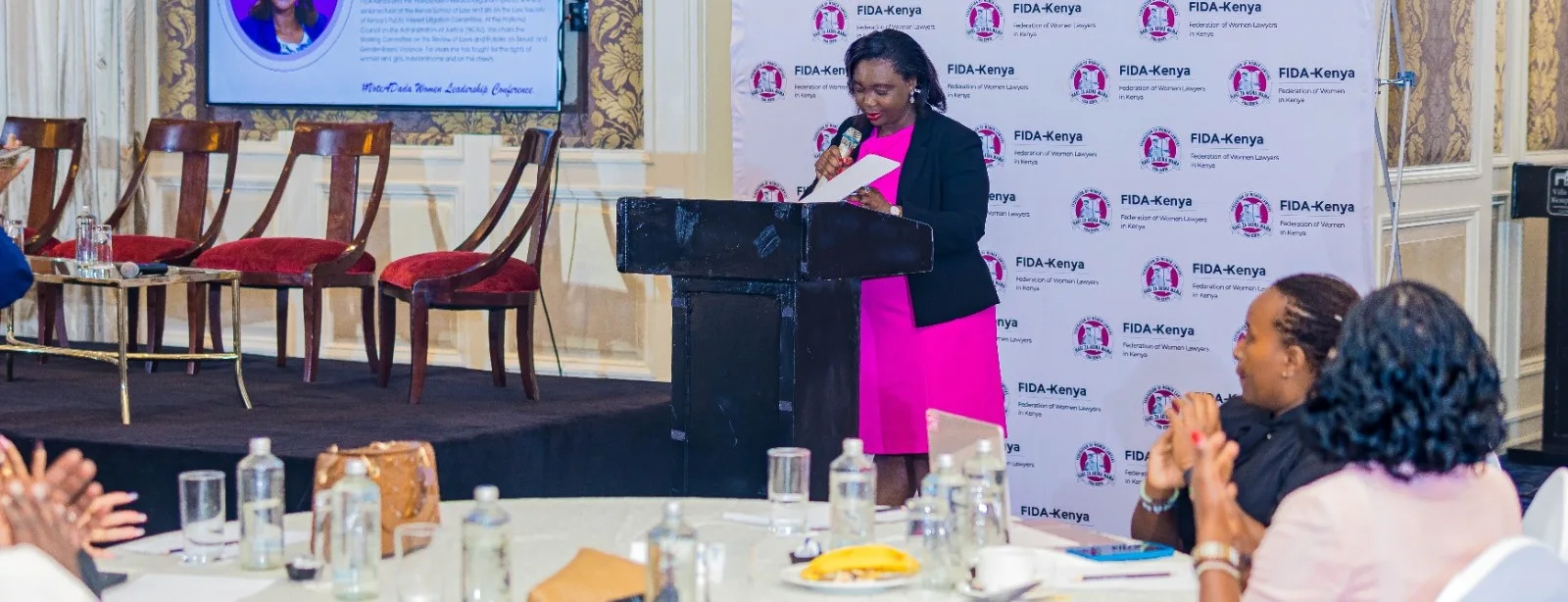
The initiative was launched during the Vote-A-Dada Women Leadership Conference 2026 at Villa Rosa Kempinski in Nairobi, where stakeholders discussed the challenges women face in seeking elective positions and measures needed to improve their representation in the next election.
The conference was organised by FIDA-Kenya in partnership with the Electoral Law and Governance Institute for Africa (ELGIA), with participation from the Independent Electoral and Boundaries Commission (IEBC), the Kenya Women Parliamentary Association (KEWOPA), the Office of the Registrar of Political Parties (ORPP) and representatives of persons with disabilities (PWDs).
FIDA-Kenya Chairperson Christine Kungu said women continued to face discrimination, violence and institutional barriers that made it difficult for them to compete on equal terms with their male counterparts.
She challenged political parties to reform their internal systems and ensure nomination processes were transparent, fair and open to women seeking leadership positions.
"Important in this ecosystem are the political parties, which have the responsibility of ensuring that the process for women in terms of nomination must be done fairly. They must ensure that management factors and leadership pathways are not only inclusive but transparent and responsive to the principles in the constitution, which is the supreme law of the land," Kungu said.
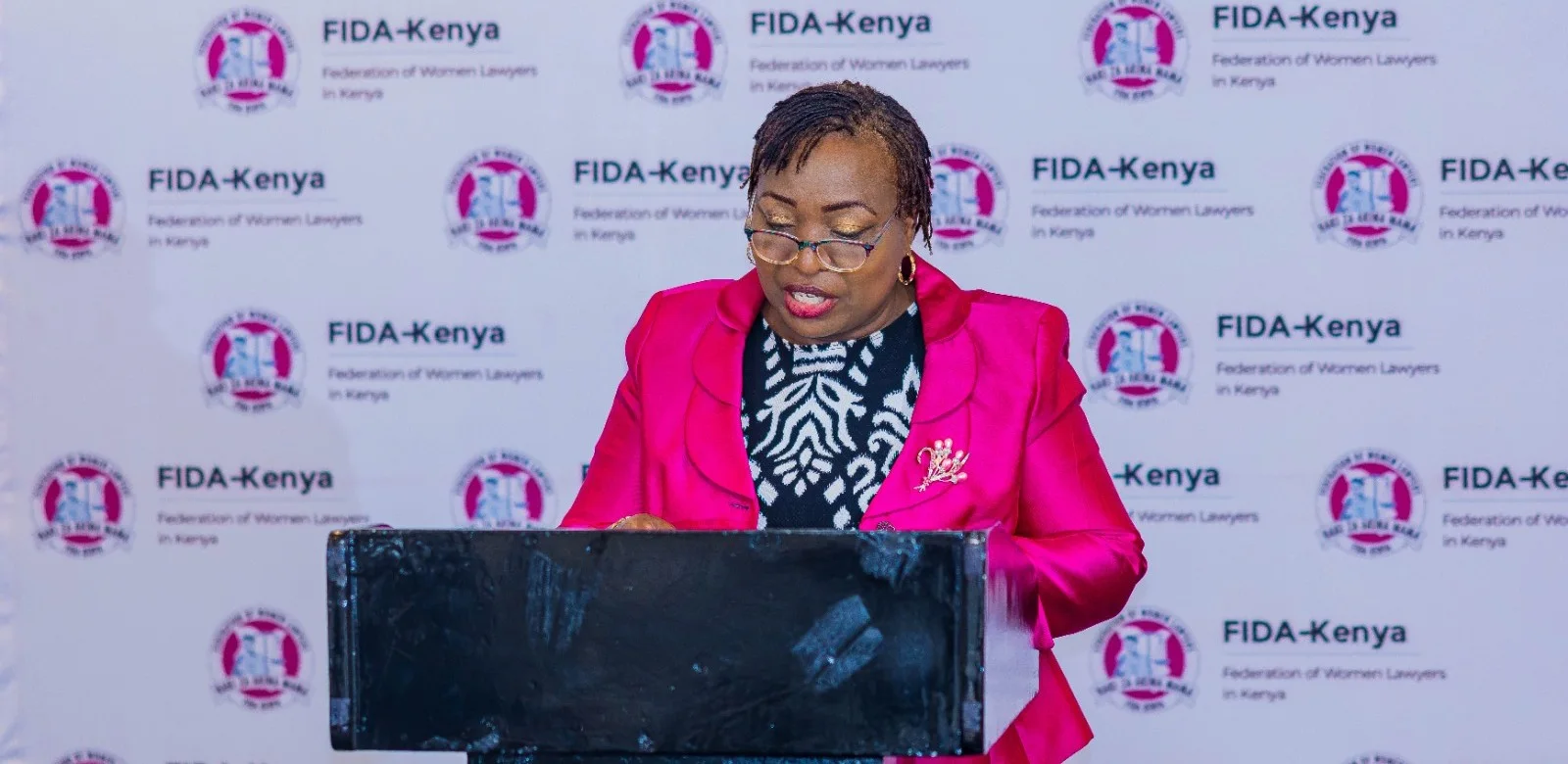
She also warned that the growing use of digital platforms had exposed women in public life to increased harassment, intimidation and attacks intended to undermine their political ambitions.
Kungu said technology-facilitated gender-based violence (TFGBV) had become a major concern, with online spaces increasingly being used to silence women and discourage them from seeking leadership.
"The digital space is no longer safe for our women in Kenya. It has opened up a different opportunity for visibility, engagement, and mobilization, but increasingly, it has become an opportunity for people to be intimidated, silenced, and discredited as women in public life," she added.
She called on institutions and other stakeholders to create an environment where women could pursue political office without being forced to endure abuse, threats or attacks on their dignity and safety.
ELGIA Board member and Kenya Petroleum Refineries Limited Chairperson Lilian Bokeeye Mahiri said the 2027 elections offered an opportunity to turn longstanding promises on women's representation into practical action.
Mahiri outlined two initiatives developed by ELGIA to address violence against women in politics: a technology-facilitated gender-based violence toolkit and an early warning framework designed to identify and respond to threats against women participating in elections.
The toolkit provides guidance on recognising, preventing and reporting online abuse, as well as preserving evidence of incidents and accessing legal and psychosocial assistance.
The early warning framework, which Mahiri said had been finalised, is intended to identify intimidation, threats and organised online attacks against women aspirants before they develop into more serious incidents.
It will combine information gathered by civil society monitors, electoral officials, political party liaison committees and digital platforms to identify emerging threats and enable relevant institutions to respond.
The framework is expected to be used during political party nominations, election campaigns and on voting day to track violence, intimidation, hate speech and other forms of harassment targeting women candidates and voters.
Mahiri called for political parties to adopt inclusive nomination processes while strengthening accountability, improving access to electoral information and ensuring women could participate safely at every stage of the electoral process.
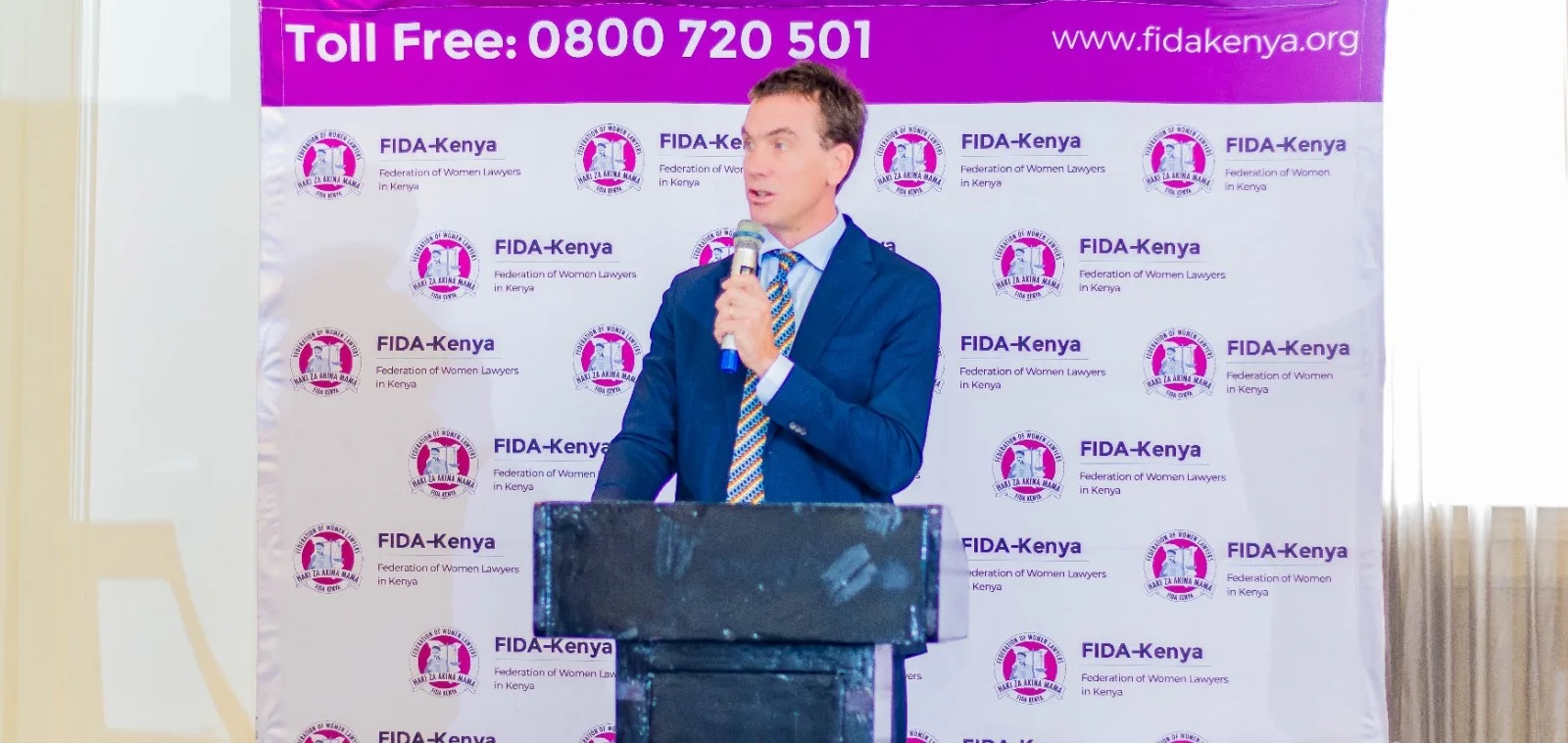
UK Deputy High Commissioner Dr Ed Barnett said women's representation in Kenya's elective positions remained low despite women making up approximately half of all registered voters.
He pointed to the 2022 General Election, during which seven women were elected governors, 29 secured constituency parliamentary seats and 115 won positions in the Members of County Assemblies category.
However, women accounted for just 12 per cent of all candidates cleared to contest the election. Their representation in the National Assembly stood at 82 out of 349 seats after the election and nominations.
Barnett said the figures showed that women continued to encounter major obstacles, including limited access to campaign financing, exclusion from political party structures, sexual harassment, political intimidation and gender-based abuse on digital platforms.
"Changing this requires more than encouraging individual women to put themselves forward. It also requires us to create an environment in which they have a fair opportunity to succeed," he said.
He urged political parties, public institutions and communities to take responsibility for challenging discriminatory practices and ensuring women could seek and hold public office without fear or restrictions.
The conference also marked the start of the 16 Days of Activism Against Gender-Based Violence, with participants calling for stronger measures to protect women from abuse in both physical and online spaces.
A communiqué issued at the meeting identified five priority areas for improving women's participation in politics. These include securing institutional commitments to inclusive electoral governance, strengthening collaboration among women's rights organisations, promoting inclusive political party structures, advancing citizen-led accountability and supporting FIDA-Kenya's work on electoral justice and protection.
FIDA-Kenya also pledged to expand legal assistance for women aspirants, engage political parties on accountability, strengthen leadership mentorship programmes and advance the Anti-TFGBV Early Warning and Early Response Framework.
The organisation said Vote-A-Dada 2027 was a non-partisan campaign that would bring together different stakeholders to promote equal opportunities for women in political leadership and public decision-making ahead of the 2027 General Election.