
With just months left before key preparations for the 2027 General Election gather pace, the Independent Electoral and Boundaries Commission (IEBC) is facing mounting pressure to replace 60,000 election identification kits, complete procurement and test the new equipment after legal disputes disrupted its plans.
The commission is seeking to fast-track the acquisition of new Kenya Integrated Election Management System (KIEMS) kits after the High Court dismissed a judicial review case on Monday, allowing the procurement process to move forward.
The dispute arose after one of the companies bidding for the technology challenged a decision by the Public Procurement Regulatory Authority Board. Although the court dismissed the application, IEBC said a fresh case was filed immediately afterwards.
The latest petition has not resulted in any orders halting the tender, with the matter expected to come up for directions on November 30.
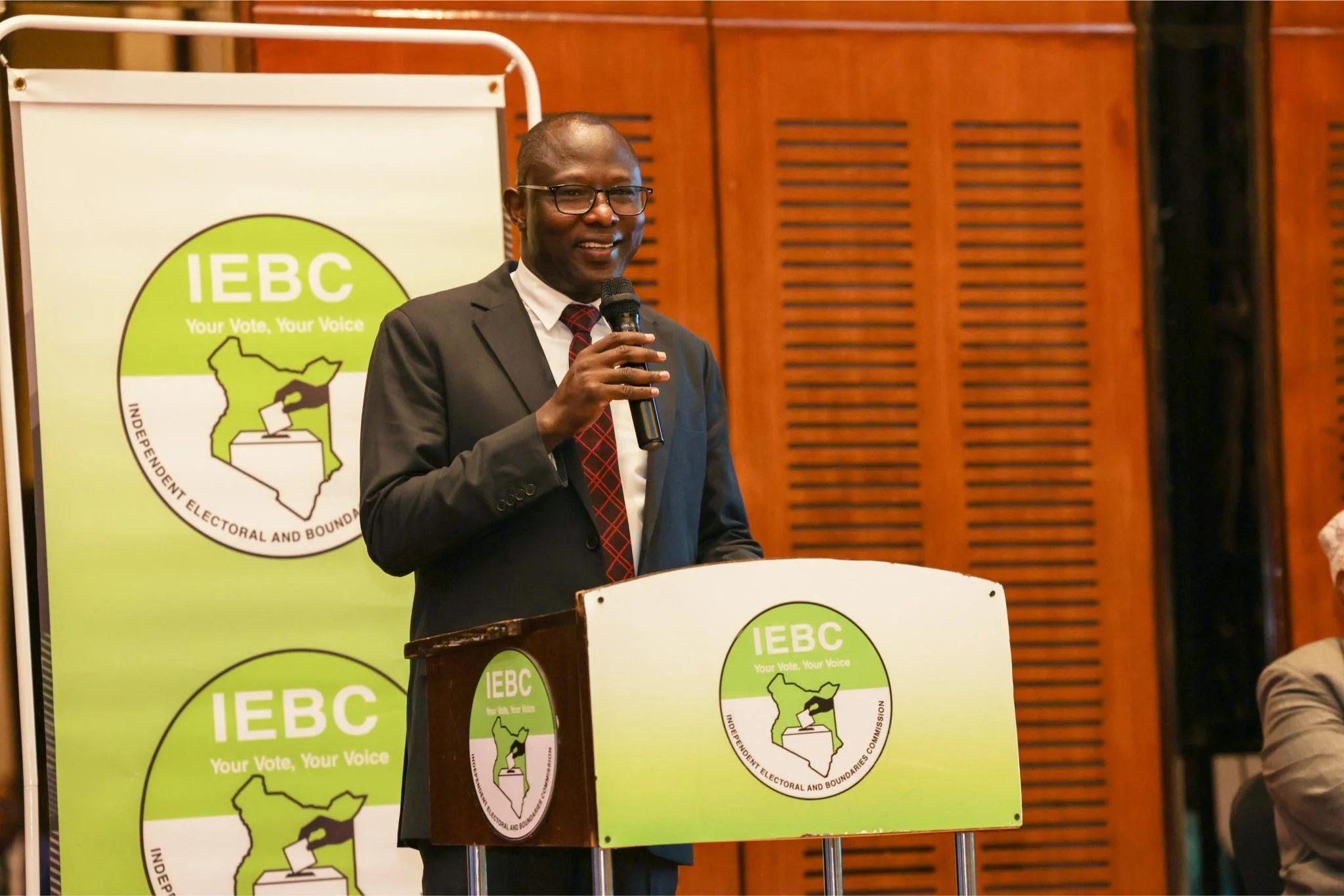
IEBC chairman Erastus Ethekon said the commission would not allow the legal challenges to derail preparations, insisting that the election technology must be acquired in time for the polls.
“We have a strict timeline. We are where we are because some petitions were filed in court. We will deliver the election in good time. Technology will be procured,” he said.
“All our systems are tech-oriented, from identification, verification and results management. There will be no polls without technology. We will ensure it is simulated and tested.”
The commission's procurement plan has also undergone changes after an assessment revealed that some of the equipment used in the 2022 General Election was no longer suitable for continued use.
IEBC had initially intended to buy 45,000 new KIEMS kits and retain another 15,000 from the previous election. However, an audit undertaken alongside the ICT Authority established that the older devices had exhausted their five-year operational lifespan.
The findings raised fears that keeping the ageing equipment could expose the electoral process to breakdowns, forcing the commission to revise its requirements and seek a complete replacement.
Appearing before the National Assembly's Justice and Legal Affairs Committee, IEBC vice chairperson Fahima Abdallah said the commission had consequently settled on acquiring all 60,000 kits.
She explained that the exercise would involve replacing the physical equipment without overhauling the technology framework already in use.
“We are not changing the architecture of the system,” she told MPs, explaining that registration, voter identification, verification and transmission of results would remain on the existing platform.
The new devices will feature more advanced processors and an online facility designed to enable prospective voters to schedule appointments for biometric screening.
The commission also provided an update on the maintenance of its election technology following the expiry of the support agreement previously held by Smartmatic.
According to IEBC, the contract expired before the current commissioners took office. It covered maintenance services and software updates, although the software remained accessible even after the agreement ended.
Abdallah said a new support and maintenance arrangement had since been secured to keep the system running, assuring the committee that voter registration would not be affected.
IEBC is targeting January 11 to launch mass voter registration while maintaining the continuous registration exercise. It is also expected to conclude an audit of the voters' register, which was initially scheduled for completion by February.
The competing demands have left the commission with a demanding schedule, as it must secure the new equipment, take delivery of the kits and conduct extensive testing and simulations before the election.
The process is particularly time-sensitive because the devices will support critical stages of the electoral process, including voter enrolment, identification at polling stations, verification and the transmission of results.
Ethekon said IEBC was aware of the limited time available and would ensure the equipment was properly tested before being deployed.
However, the commission's preparations are not only facing legal and logistical challenges, but also a major financial constraint.
While presenting its views on the 2027 Budget Policy Statement before the National Assembly's Justice and Legal Affairs Committee, chaired by Tharaka MP Gitonga Murugara, the commission disclosed that it had a funding deficit of approximately Sh12 billion.
The shortfall presents another challenge for IEBC as it works to finance the replacement of election equipment and complete other preparations ahead of the 2027 General Election.