
The government could be forced to inject billions of shillings more into the education sector to keep schools running, support university students and sustain ongoing reforms, as MPs warn that the proposed 2027/28 budget does not adequately cover institutions' financial needs.
The National Assembly Education Committee is seeking additional funding for learner capitation, university scholarships, technical training, national examinations and teachers' medical cover, raising concerns over the ability of schools and higher learning institutions to meet their obligations under the proposed Sh857.35 billion sector budget.
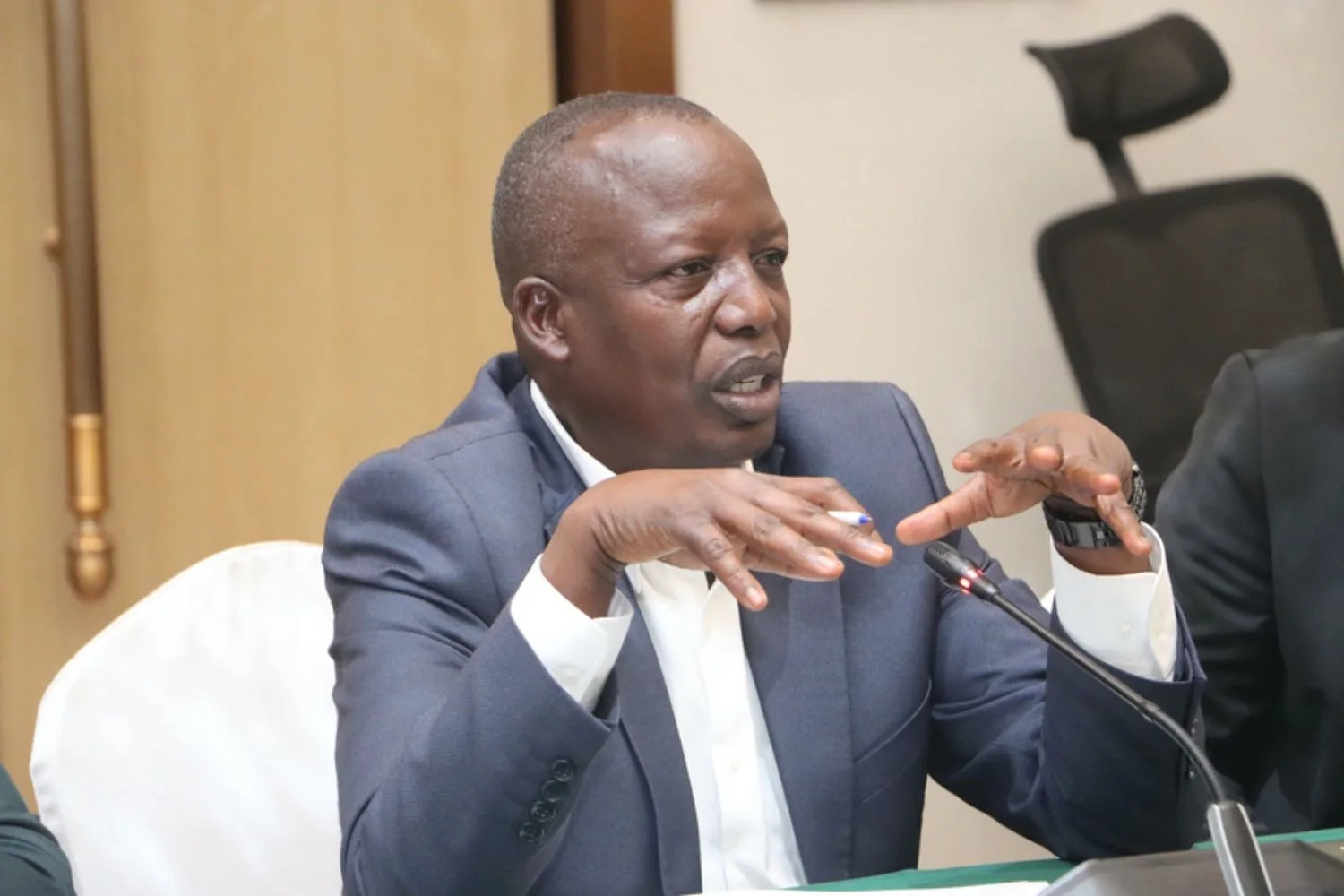
The committee, led by Julius Melly, says the proposed allocation is inadequate to address growing demands across the education system, with basic education facing one of the largest funding deficits.
Presenting its report on the 2027/28 Budget Policy Statement to the Budget and Appropriations Committee, Melly said the government needed to bridge a Sh44.1 billion shortfall in capitation funding for primary, junior and senior schools.
"The sub-sector has a huge funding gap in capitation, which supports the right to basic education as enshrined in the Constitution. Based on the targeted number of learners and the per capita allocation, the capitation funding gap for the 2027/28 financial year stands at Sh 44.1 Billion, comprising Sh 2.9 Billion, Sh 23.5 Billion and Sh 17.7 Billion for primary, junior and senior school capitation respectively."
The committee warned that the funding deficit could leave schools struggling to meet their financial obligations, with possible long-term consequences for learners if the situation is not addressed.
"The immediate cause of this underfunding is strain on institutions, with a risk to education outcomes in the long term if it is not addressed."
To ease the pressure, the MPs are proposing an additional Sh2.9 billion for primary school capitation, Sh41.2 billion for secondary education and Sh3.3 billion for national examinations.
The education sector's proposed budget has been increased from Sh784.48 billion to Sh857.35 billion, with the Teachers Service Commission allocated Sh477.087 billion, the largest share of the funding.
However, the committee said the increased budget would still not adequately address all the needs within the sector, particularly the implementation of Competency-Based Education and the support required for learners with special needs.
It raised concerns over the way additional funding for Special Needs Education learners is handled, noting that the money is combined with regular capitation, making it difficult to track how much is being allocated to support learners requiring specialised assistance.
"Top-up capitation for Special Needs Education (SNE) learners is lumped together with regular capitation, making it difficult to oversee the additional support given to SNE learners."
The MPs also raised concerns over the financing of university students under the student-centred funding model, saying the amount set aside for scholarships falls short of the resources required.
According to the committee, approximately 656,927 eligible students require Sh58.4 billion in funding, but the proposed allocation is Sh37.8 billion, leaving a substantial deficit.
"The Department has a funding gap in the provision of scholarships under the student-centred funding model."
In the technical education sub-sector, the committee is seeking an additional Sh4.3 billion to finance TVET scholarships, while the Teachers Service Commission requires a further Sh7.04 billion to cater for teachers' medical and insurance cover.
Melly urged Parliament to consider increasing the education budget to address the identified gaps, warning that failure to provide adequate funding could place further pressure on institutions and affect the implementation of reforms as well as the delivery of quality education.