Thomas Frank at a crossroads: What you need to know at Spurs
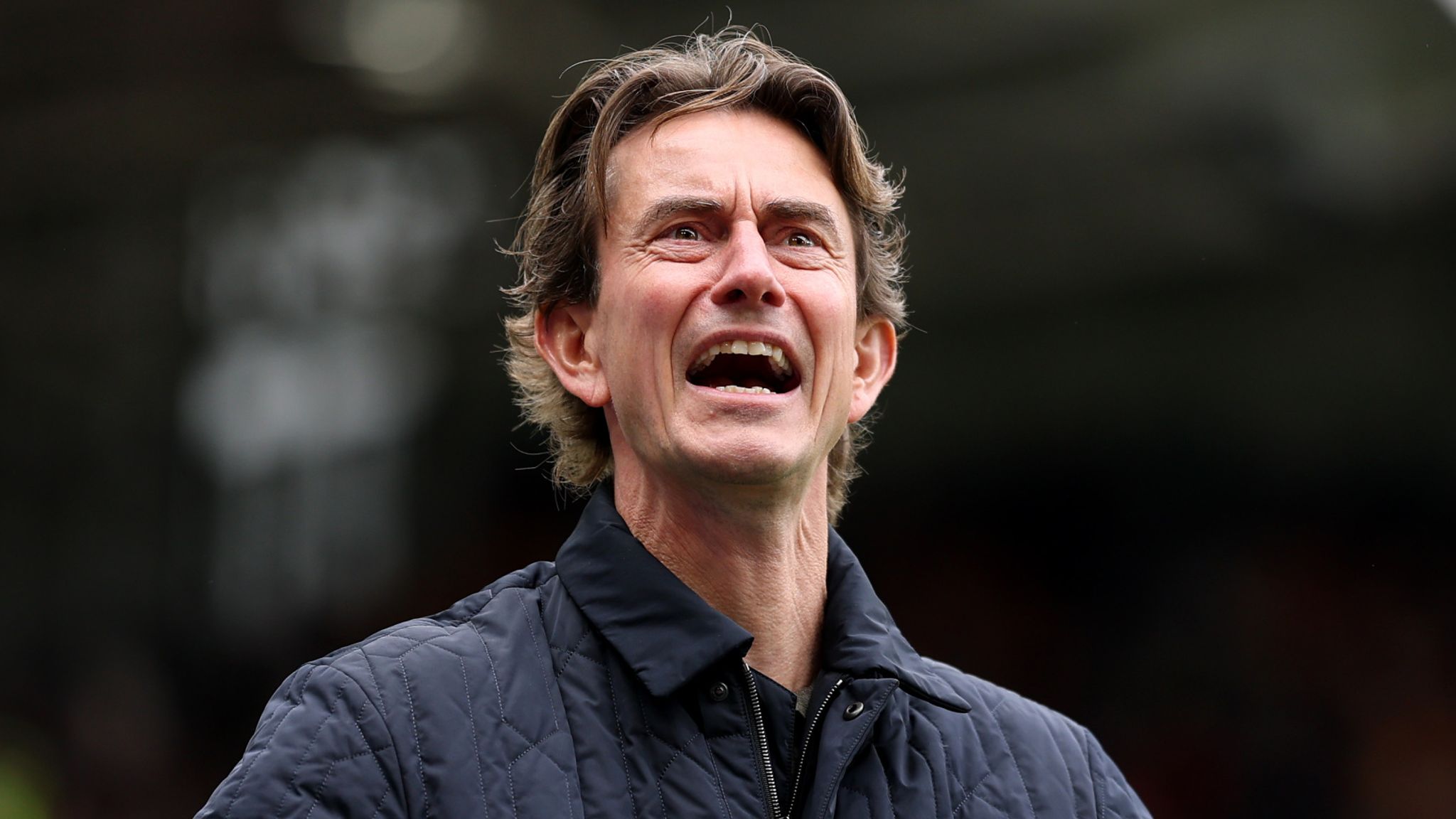
Under Thomas Frank, Spurs have now lost as many league games as they have won this season, with three defeats in their last five.
In the away end at the City Ground on Sunday, Tottenham Hotspur tried a small act of kindness.
Every travelling supporter was handed a free scarf. Warm, thoughtful—and, for at least one fan, extremely practical. Not for fighting off the cold, but for shielding their eyes from another grim afternoon in white.
A 3–0 defeat to Nottingham Forest left Spurs staring at the table in disbelief. Eleventh place. Six points adrift of the top four. Momentum gone. Patience thinning.
Six months on from the euphoria of a Europa League triumph, the comedown has been brutal. Under Thomas Frank, Spurs have now lost as many league games as they have won this season, with three defeats in their last five. For a growing section of the fanbase, frustration has turned into fury—and Frank has become the lightning rod.
The Dane’s direct, high-intensity style has at times looked blunt, occasionally chaotic, and too often poorly executed by the players. It hasn’t helped his popularity. So where does that leave Tottenham’s head coach? To understand the full picture, you have to listen to the noise from the stands, the whispers behind the scenes, and the cold clarity of the numbers.
The fans: Hope, hurt, and a familiar sinking feeling
Just when Spurs seem to tease their supporters with progress, they pull the rug away. After encouraging home performances in the Premier League and Champions League last week, there was a sense—finally—that Thomas Frank’s side was building something resembling consistency.
Then came Sunday.
The lifeless display against Forest was a stark reminder that Spurs remain stuck in the messy, uncomfortable “storming” phase of a rebuild. A team not quite sure of itself. A squad caught between old habits and new demands.
Seen through that lens, Frank’s calm demeanour suddenly makes sense. On the touchline and in post-match interviews, he appears unflustered, almost detached. The project manager in him understands that transformation is rarely smooth. Chaos, in his mind, is not a failure—it’s part of the process.
The problem? Tottenham’s recent history suggests managers are rarely given the luxury of time.
Some fans draw parallels with Gareth Southgate’s appointment as England manager—another figure widely doubted at first. Southgate didn’t deliver silverware, but he reshaped the culture and laid foundations that allowed England to dream again. There’s a belief among parts of the Spurs fanbase that Frank could play a similar role in north London.
But that belief comes with a challenge to the terraces: if you want Frank out, who replaces him? What does “success” actually look like? And how long are you willing to wait for it?
Inside the Club: No Panic—But No Blank Cheque
Despite the noise, there is no sense of an immediate knee-jerk reaction inside Tottenham.
Frank’s future has once again been thrust into the spotlight following the Forest defeat, which reignited anger among supporters. But for now, there is no indication that the club views his position as imminently under threat.
Context matters. Spurs arrived at the City Ground on the back of a three-match unbeaten run: a credible 2–2 draw at Newcastle, followed by wins over Brentford and Slavia Prague. There had been genuine shoots of improvement, making Sunday’s collapse feel more like a setback than a terminal diagnosis.
That said, backing for Frank is not universal.
After the home defeat to Fulham on November 29—extending a worrying run of just one win in eight—sources close to the club revealed that Frank’s performance had come under increasing internal scrutiny. The visible hostility from sections of the fanbase earlier in the season has also been noted, and not favourably.
Still, Spurs have not yet reached the point where they are seriously considering pulling the trigger. There is an acceptance that the road will be bumpy. But days like Sunday cannot become routine. If they do, the doubts will grow louder and harder to ignore.
It’s also worth noting that Tottenham’s chief executive, Vinai Venkatesham, played a key role in Arsenal’s decision to stand by Mikel Arteta during the bleakest periods of his reign. That patience has since been richly rewarded, with Arsenal now viewed as one of Europe’s elite.
Frank is some distance from matching Arteta’s trajectory—but there is, for now, a willingness to let him lay foundations of his own. Results, however, will ultimately decide how long that patience lasts.
The Numbers: Frank vs Ange
Sunday’s defeat marked Thomas Frank’s 25th game in charge of Tottenham—a milestone that, much like a Test match innings, guarantees nothing.
Across all competitions, Frank has won 10 of those matches and lost nine. Among the defeats are penalty heartbreak against PSG in the UEFA Super Cup, a League Cup loss to Newcastle, and painful Premier League setbacks, including a 4–1 drubbing by Arsenal.
It’s a record that has prompted some supporters to look back longingly at Ange Postecoglou and the swashbuckling chaos of “Angeball.”
Postecoglou, after all, delivered what many thought impossible—ending Spurs’ 17-year trophy drought with a Europa League final victory over Manchester United. His first 25 games were electric: 14 wins, including an extraordinary start to the 2023–24 Premier League season, where Spurs won eight and drew two of their opening ten.
But nostalgia can be selective.
Postecoglou’s final 25 matches told a different story. Spurs collapsed to 17th in the league—their worst finish in Premier League history—losing 13 of those games and winning just nine.
So Where Does That Leave Frank?
Thomas Frank stands at a crossroads. He is neither a miracle worker nor a lost cause. He is a manager attempting to reshape a club that has long struggled with identity, consistency, and patience.
The fans are restless. The insiders are cautious. The numbers are inconclusive.
What happens next will define not just Frank’s future, but Tottenham’s willingness to finally commit to a long-term vision—or repeat the cycle once again.




Comments
Sign in with Google to comment, reply, and like comments.
Continue with Google