MPs question KNCHR over interest charges in car and mortgage scheme
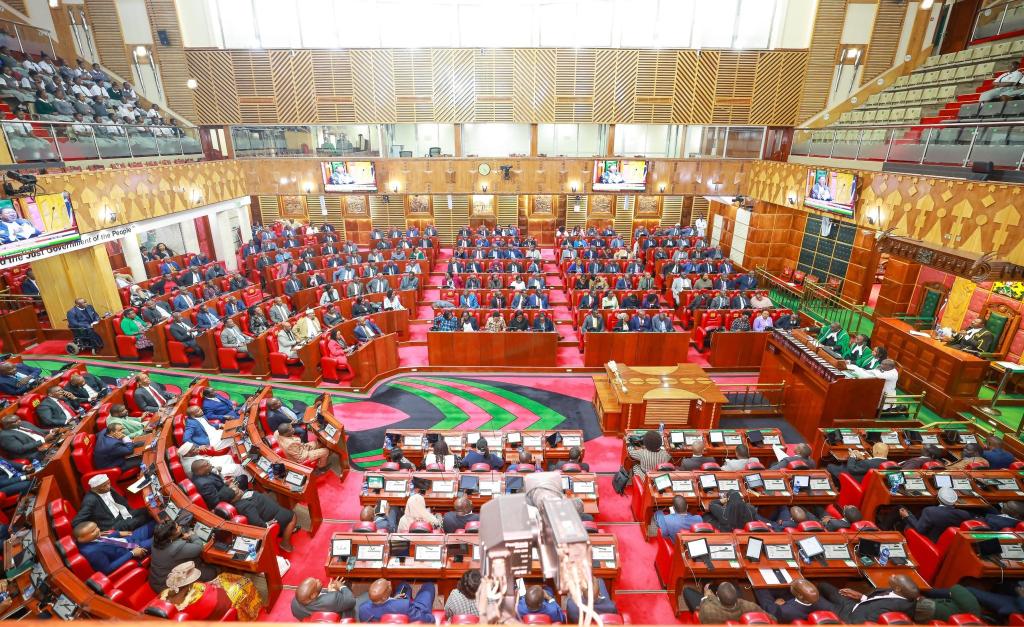
KNCHR Acting Chief Executive Officer Joseph Ndiku told the Committee that the four per cent rate had been applied since the establishment of the scheme under an arrangement with KCB Bank.
The management of the Kenya National Human Rights Commission car and mortgage loan scheme came under scrutiny in Parliament after questions were raised on how the fund has been run over several years, especially on interest rates, loan growth, and agreements with a commercial bank.
The Special Funds Accounts Committee, chaired by Migori County MP Fatuma Mohammed, examined audit reports covering financial statements from the 2018/2019 financial year up to 2024/2025, focusing on concerns flagged by the Office of the Auditor General.
The meeting at Bunge Towers on Tuesday, May 26, 2026, centered on claims that beneficiaries were charged more than what is allowed under existing regulations. Members of the Committee pointed out that borrowers were being charged four per cent interest, yet the administrative cost was capped at three per cent, raising questions on compliance and possible excess charges.
KNCHR Acting Chief Executive Officer Joseph Ndiku told the Committee that the four per cent rate had been applied since the establishment of the scheme under an arrangement with KCB Bank. He further explained that a review had since been done and the rate reduced after discussions with the bank.
“We had been charging 4 per cent as the administrative cost since the inception of the fund all the way to the time when we raised this issue and KCB was able to agree to reduce it to 3 per cent,” he said.
His explanation triggered further questions from Members who sought clarity on the performance of the revolving fund, including how much it has grown over time and whether any adjustments would be made to address the extra charges applied to borrowers.
One of the Members, Dawood, questioned the financial progress of the scheme since its launch.
“Can you tell us, the 31 million which was given initially, how much has it now built up to, and how much has been given out?” Hon Dawood asked
In response, Ndiku clarified that the figures being discussed did not represent the current balance of the fund but rather the total amount of loans disbursed over time since the scheme began.
“The Kshs. 54 million is the cumulative loans that we have been able to disburse to date, but the loan book still remains at the money that we have,” he said.
Committee members also raised concerns about the long-term sustainability of the scheme and recommended that the Commission studies how similar public mortgage funds are managed to improve performance and accountability. They pointed out that other institutions running similar funds have shown stronger growth and advised KNCHR to consider similar approaches.
“You may need to benchmark with other institutions. We have had other mortgage funds appear before us and their funds are growing. So maybe you can benchmark and see how to improve your scheme ,” Hon. Fatuma advised.
The Committee further directed the Acting Chief Executive Officer to submit within seven days key documents, including the original and revised memorandum of understanding with KCB Bank, minutes showing decisions that led to the reduction of the interest rate, a full list of all beneficiaries since the scheme began, and a written plan on how the Commission intends to address the additional one per cent charged over time.
Beyond the financial concerns, Members also questioned the Commission’s reach across the country, arguing that limited presence in some regions could affect access to services for people seeking redress.
Ndiku acknowledged the gap in coverage and assured the Committee that expansion plans are underway to strengthen access to services nationwide.
“By the time we complete our strategic plan, we should be in every county,” he said, adding that the Commission has recently opened offices in Kajiado, Isiolo and Garissa, with plans for further expansion.
The Committee is expected to review the documents once submitted before making further recommendations on the management and future of the scheme.




Comments
Sign in with Google to comment, reply, and like comments.
Continue with Google