State payroll jumps Sh140.6bn in nine months as wage bill pressure builds
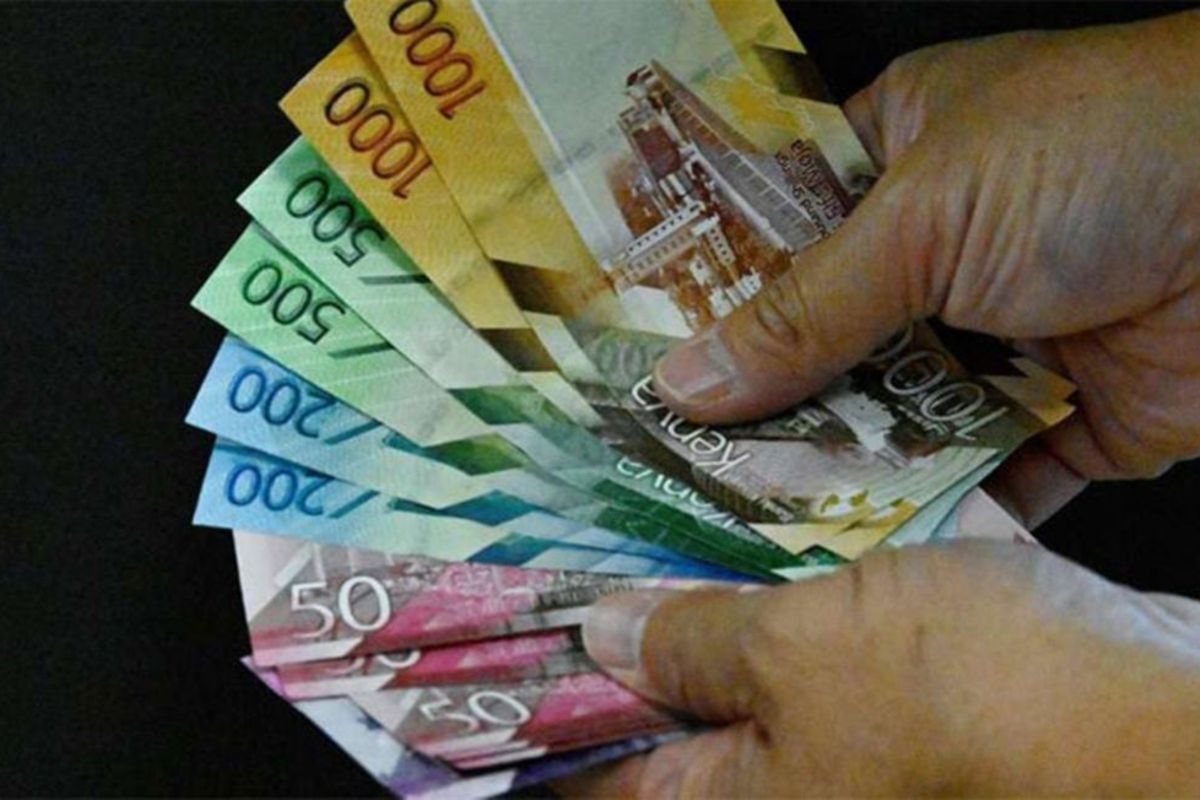
Latest data from the National Treasury shows that expenditure on salaries and wages rose to Sh576.7 billion in the July 2025–March 2026 period, up from Sh436.1 billion in the same period a year earlier.
Kenya’s public wage bill has recorded a sharp rise within a short period, with government spending on salaries increasing by Sh140.6 billion in nine months, reflecting the impact of fresh pay awards and renewed pressure on public finances at a time when fiscal space remains tight.
Latest data from the National Treasury shows that expenditure on salaries and wages rose to Sh576.7 billion in the July 2025–March 2026 period, up from Sh436.1 billion in the same period a year earlier.
This represents a 32.24 percent increase, marking the fastest expansion in the Exchequer-funded payroll in recent years after a period of slowed growth driven by spending controls.
The figures cover employees in the national government, including ministries, State departments, agencies, teachers and members of the disciplined forces. It does not include workers in county governments, State corporations, public universities, constitutional commissions and independent offices.
The jump comes at a time when government finances remain under strain from rising debt repayment costs, weaker revenue performance and competing demands for public spending. Earlier Treasury reviews had shown a period of restraint in wage growth as hiring freezes were enforced to contain recurrent expenditure.
In the nine months to March 2024, salary spending had declined slightly by 0.98 percent, reflecting strict controls on recruitment and spending. This was followed by a modest increase of 5.57 percent in the nine months to March 2025 before the latest sharp rise, which has now reversed the earlier slowdown.
The Sh140.6 billion increase in wages alone now exceeds annual development budgets for several key sectors, raising concern over the growing share of recurrent expenditure in the national budget and its effect on infrastructure and service delivery funding.
Salary reviews
A major factor behind the rise is the implementation of salary adjustments across different arms of the public service, including security agencies, teachers and civil servants.
Members of the National Police Service, Kenya Prisons Service and National Youth Service received a 10 percent basic salary increment during the review period. The adjustments form part of a phased remuneration programme informed by recommendations of a task force chaired by former Chief Justice David Maraga.
The task force reviewed working conditions, welfare concerns and pay disparities within disciplined services and recommended structured salary increases across ranks. It stated: “Having considered the uniqueness of the services offered by the members of NPS, their working conditions, duties and responsibilities, disrupted family life, and the potential risk they face,” while proposing a 40 percent increase for the lowest ranks, tapering down to three percent for senior officers.
It further noted: “The task force recommends that the new remuneration structure should be implemented in three phases from July 1, 2024,” extending similar recommendations to the Kenya Prisons Service and National Youth Service.
Teachers also began receiving salary increases following agreements between the Teachers Service Commission and unions representing post primary teachers, primary teachers and special needs education teachers.
The deal provides basic salary increments ranging between five percent and 29.6 percent over four years starting July 2025. The total cost of the agreement is estimated at Sh33.8 billion over the period, averaging about Sh8.4 billion annually.
Civil servants also received salary adjustments following approval by the Salaries and Remuneration Commission, marking the start of the 2025–2029 public service pay cycle.
The commission stated: “The approved basic salary structure and leave allowance should be implemented with effect from July 1, 2025,” in a circular dated December 19, 2025 addressed to the Public Service. The review is expected to cost Sh2.07 billion in the current financial year.
Under the new structure, senior civil servants in Job Group T now earn up to Sh396,130, up from Sh365,880. Officers in Job Group S received increases of up to Sh25,740, raising their maximum pay to Sh292,490. Those in Job Group P saw an increase of Sh9,180, while Job Group N officers now earn up to Sh103,440 after adjustments.
Lower cadres across Job Groups C to J also benefited from structured pay increases and were granted an annual leave allowance of Sh6,500. The Salaries and Remuneration Commission said the review was intended to retain skilled workers in public service and maintain competitiveness with the private sector.
Despite the sharp rise in salaries, government policy on wage containment remains in place. Recruitment continues to be restricted under long-standing controls introduced to manage the public wage bill, with hiring mainly limited to critical sectors such as security, education and health.
Successive governments have maintained these restrictions since 2013 in an effort to slow the growth of recurrent expenditure and redirect more resources towards development projects. However, the latest surge in wage spending now raises renewed questions about the effectiveness of those controls amid expanding salary obligations across the public sector.



Comments
Sign in with Google to comment, reply, and like comments.
Continue with Google