EAC moves to harmonised Ebola border controls amid regional outbreak concerns
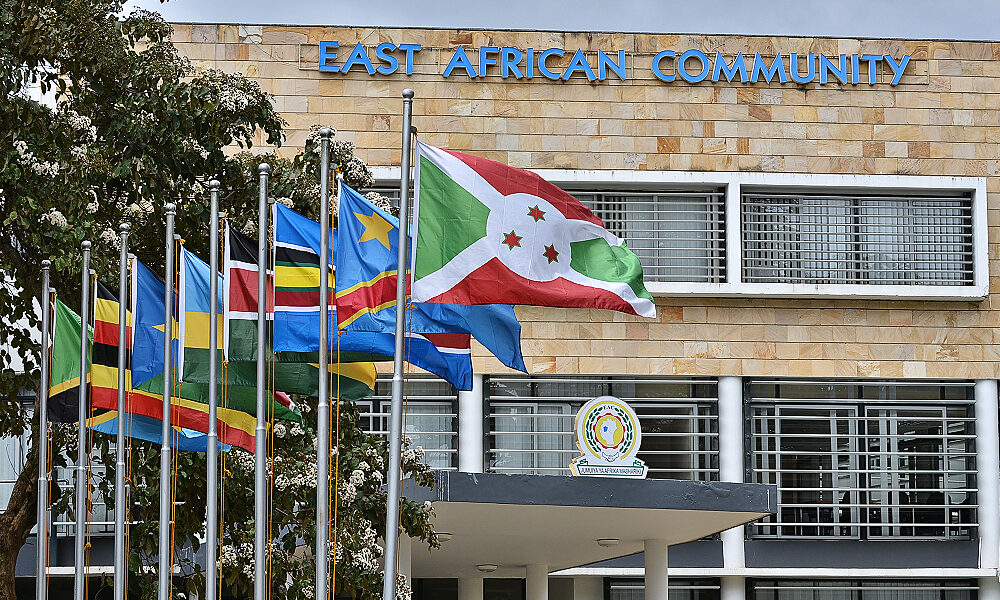
EAC Health Ministers agreed to harmonise Ebola surveillance, traveller screening and protective measures at airports, ports and land borders. They also approved an EAC regional technical taskforce and directed exit screening and lab capacity support.
East African Community (EAC) member states have agreed on a coordinated plan to standardise Ebola control measures at all major points of entry as concern grows over continued transmission in parts of the region. The agreement focuses on aligning screening, surveillance, and response systems at airports, ports, and land border crossings to reduce the risk of cross-border spread.
The decision was made during the 8th Extraordinary Meeting of the EAC Sectoral Council of Ministers of Health, held virtually on June 1–2, where health officials reviewed the status of the Ebola outbreak and discussed joint regional action.
A key outcome of the meeting was the approval of a new EAC Regional Technical Taskforce on Ebola Response and other high-consequence diseases. The taskforce will be made up of experts nominated by Partner States and the EAC Secretariat. It will monitor the outbreak, coordinate technical interventions, analyse infection patterns, and provide regular reports to policymakers across the region.
“The meeting noted with concern the ongoing outbreak, underscoring the need for collective action to prevent further cross-border transmission within the region,” the statement said.
To strengthen border controls, Partner States were directed to intensify surveillance and response activities in affected areas, at points of entry, and in border regions with weak monitoring systems. These measures are expected to follow national regulations and guidance from the World Health Organization (WHO).
The ministers further directed the EAC Secretariat, working with the Civil Aviation Safety and Security Oversight Agency (CASSOA) and other partners, to urgently convene a regional meeting to align screening procedures. This will include standardising traveller health declarations and other public health requirements at entry points.
The meeting also called for the introduction of exit screening at selected border points, alongside increased investment in water, sanitation and hygiene services, risk communication, and community-based surveillance.
In addition, the Secretariat and Partner States were instructed to deploy mobile laboratories and technical experts to strategic locations, including border crossings and outbreak hotspots, to speed up testing and detection.
Plans were also outlined to expand laboratory capacity through faster procurement and deployment of container-based laboratories across the region.
The ministers welcomed progress under the EAC Pandemic Preparedness Project (PanPrep), which has established a regional pool of more than 180 multidisciplinary experts working under a One Health approach.
They also supported continued training of frontline health workers and rapid response teams to strengthen preparedness, infection prevention, and outbreak control.
The meeting noted ongoing preparedness efforts, including the distribution of personal protective equipment (PPEs), with plans to immediately send 500 additional PPE sets to the Democratic Republic of Congo (DRC) and Uganda.
Ministers further called for a comprehensive regional Ebola contingency, response, and recovery plan, and urged development partners to continue supporting preparedness and response efforts across East Africa.
According to the World Health Organization, Democratic Republic of Congo (DRC) has recorded 344 confirmed cases and 60 deaths, while Uganda has reported 15 confirmed cases, including one death.
WHO said ongoing transmission, insecurity in affected areas, and challenges in contact tracing continue to slow down containment efforts.




Comments
Sign in with Google to comment, reply, and like comments.
Continue with Google