
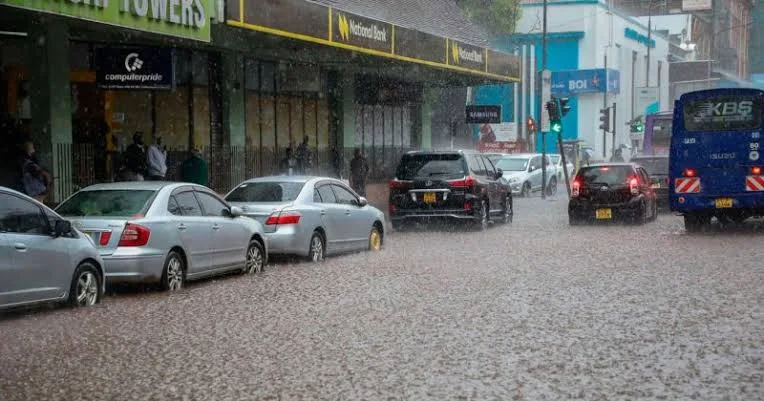
More parts of Kenya are set to receive the October-December rains in the coming days, with the Meteorological Service warning of heavy downpours in some areas and possible flooding, waterlogging and landslides.
The Kenya Meteorological Service Authority acting head Edward Muriuki said rainfall had already reached 24 counties, with the Coast, western Kenya and the Rift Valley among the areas that have recorded the start of the season.
He said the rains would continue spreading, with several other counties expected to experience the onset next week or the following week.
Turkana and Samburu are expected to be the last counties to receive the rains, with the onset likely to occur in the third or fourth week of October.
Muriuki asked farmers to make use of forecasts prepared for their individual counties because rainfall patterns, including when the rains begin and how much falls, will not be the same across the country.
“County-specific weekly and monthly forecasts are available from the offices of respective county directors of Meteorological Services,” Muriuki said.
The counties that have already experienced the onset include Nandi, Kakamega, Vihiga, Bungoma, Siaya, Busia, Baringo, Nakuru, Trans Nzoia, Uasin Gishu, Elgeyo Marakwet, West Pokot, Kisii, Nyamira, Kericho, Bomet, Kisumu, Homa Bay, Migori and Narok.
Rainfall has also begun along the Coast in Mombasa, Kwale, Lamu and Kilifi, as well as in the Tana Delta.
In northern and northeastern Kenya, Marsabit, Mandera, Wajir, Garissa and Isiolo are expected to record the start of the rains during the first or second week of October.
Nairobi and much of central Kenya are expected to follow, with rainfall forecast for next week or the week after in Kiambu, Murang’a, Kirinyaga, Nyeri, Nyandarua, Laikipia, Embu, Meru and Tharaka Nithi.
The same period is expected to bring the onset to Machakos, Kitui and Makueni in Ukambani, as well as Kajiado, Taita Taveta and inland parts of Tana River.
The wetter conditions could benefit agriculture by improving moisture in the soil, allowing farmers to prepare their land and plant crops. The rains are also expected to restore pasture and increase water availability for livestock.
But the Met warned that too much rain could create problems for farmers, including waterlogged fields, crop diseases and interruptions to normal farm activities. Transporting agricultural produce could also become difficult in areas affected by heavy rainfall.
The Coast and northeastern Kenya are among the regions facing the prospect of particularly heavy rainfall.
Kwale, Mombasa, Kilifi, Lamu and Mandera are expected to receive heavy rains, alongside parts of Taita Taveta, Tana River, Garissa and Wajir.
Other counties forecast to receive above-average rainfall include Makueni, Kajiado, Machakos, Nairobi, Kiambu, Murang’a, Kirinyaga, Embu, Tharaka Nithi, Meru, Isiolo, Nyandarua and Nyeri.
Parts of Marsabit, Laikipia, Nakuru and Narok are also expected to record rainfall above the normal levels.
Alongside the wetter conditions, Muriuki said temperatures were expected to remain above average across the country.
The rainfall outlook has been linked to a number of climate systems, including El Niño and the Indian Ocean Dipole, commonly known as IOD. The IOD measures differences in sea temperatures between the western and eastern tropical Indian Ocean.
The World Meteorological Organisation expects a positive IOD to develop between September and November as El Niño conditions strengthen.
Muriuki, however, said El Niño alone would not determine how the rains perform across Kenya.
“Rainfall is influenced by several climate systems, including El Niño and the Indian Ocean Dipole,” he said.
The rainy season is expected to continue into January in many parts of central, western and eastern Kenya.
However, the season is expected to end earlier in Marsabit, Mandera, Wajir, Garissa and Isiolo, where the Met projects the rains could taper off during the first or second week of December.
The broader forecast of wetter-than-normal conditions does not apply equally across the country, with Turkana and Samburu expected to receive poor to fair rainfall.
The Met has urged people living in low-lying areas and near rivers to remain alert as the rains intensify, warning that some areas could experience flooding, waterlogging and landslides.