G7 backs Ruto push for overhaul of global financial system
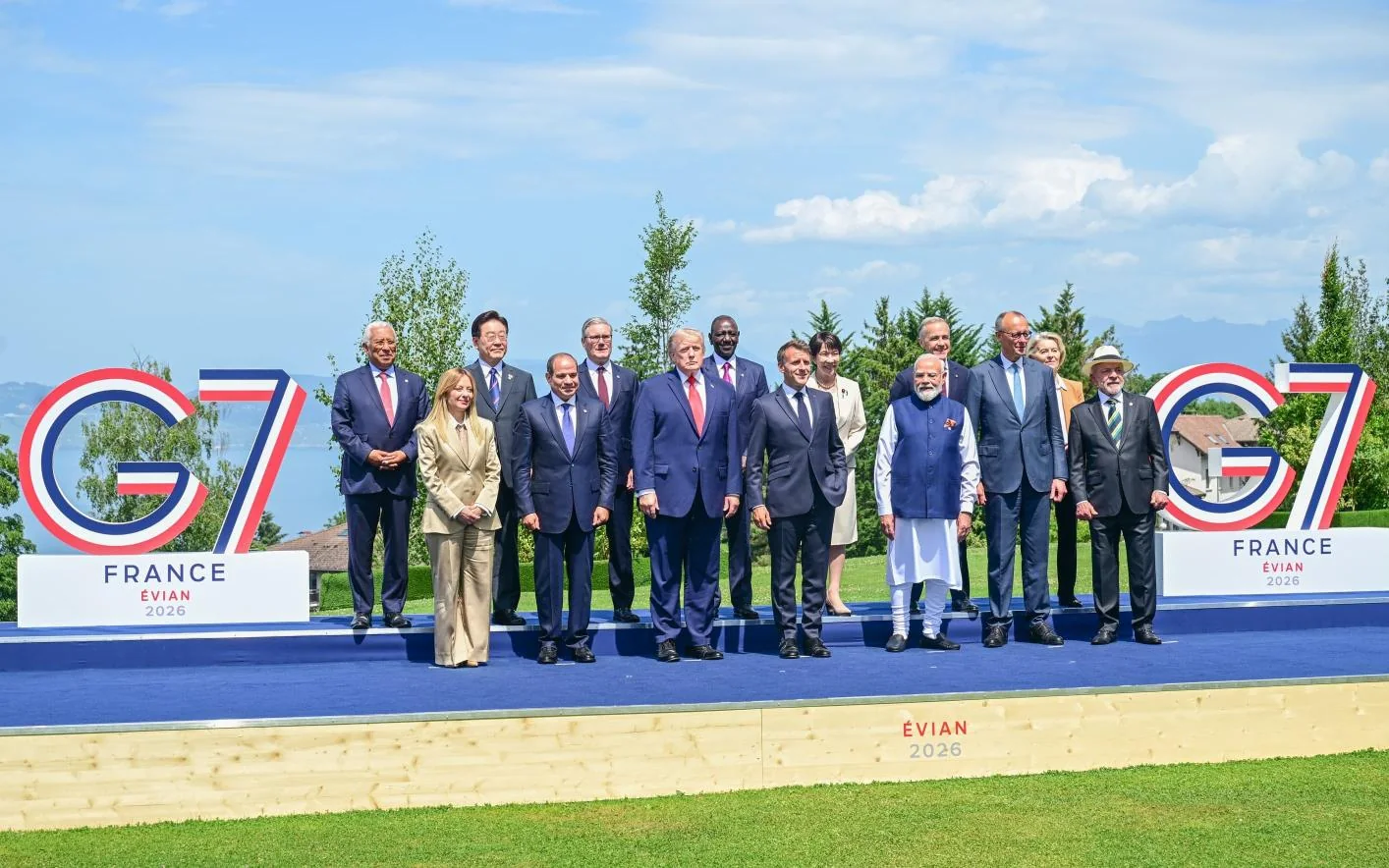
At the G7 Summit held in France, leaders agreed to deepen cooperation in development finance while shifting toward models that strengthen national control, improve efficiency, and deliver more targeted support.
President William Ruto’s long-running call for a fairer global financial system has gained fresh international backing after G7 leaders agreed that major changes are needed in how development finance is structured and delivered to poorer economies.
In a joint declaration on Tuesday on international partnerships that benefit all sides, the G7 together with Kenya and South Korea said the global development financing model is under growing strain and no longer fully matches today’s economic realities.
They cited rising debt levels, limited access to affordable credit, and increasing demand for development funding as key pressure points requiring urgent attention.
The statement closely aligns with reforms Ruto has been advancing in global forums, where he has pushed for lower borrowing costs for African countries, faster and clearer debt restructuring processes, expanded use of concessional lending, and a rethink of how investment risk is measured in developing markets.
He has consistently argued that Africa is unfairly priced out of global capital markets despite strong growth potential.
At the G7 Summit held in France, leaders agreed to deepen cooperation in development finance while shifting toward models that strengthen national control, improve efficiency, and deliver more targeted support.
They also stressed that concessional funding should be directed more strategically to countries with the highest need.
"We are united in reforming the development cooperation system and shaping mutually beneficial partnerships that take into account our strategic interests and those of our partners," the declaration states.
The leaders further acknowledged that while traditional aid approaches have delivered some progress, they have not always reduced long-term dependence on external support or strengthened domestic economic decision-making.
They said that "traditional development policies have achieved important results" but have "at times had limited impact in reducing financial dependency on external assistance, strengthening country ownership and creating pro-growth incentives."
They also pointed to structural weaknesses in the current system, noting that it has grown too complicated, making it harder to use resources efficiently and effectively.
They observed that "the development architecture has become overly complex, resulting in a suboptimal use of resources."
A key shift in the declaration is the recognition that government funding alone cannot meet global development demands. Leaders called for stronger participation of private investors through guarantees, blended financing arrangements, and shared-risk investment models.
"Public resources continue to play a strategic role, yet they are insufficient alone to meet global development needs," the leaders said, adding that there is a need to "catalyse structured reforms to rationalise the development architecture and ensure its efficiency and impact."
This direction reflects arguments made by Ruto and other African leaders during the Africa Forward Summit, where they stressed that the real barrier to development is not lack of capital, but the perception of high risk that pushes up borrowing costs.
The G7 also expressed support for institutions designed to reduce investment risk, including the African Trade and Investment Development Insurance, which is expected to play a bigger role in attracting private capital.
In what is seen as a significant policy alignment with Africa’s priorities, the leaders said they would work to "support more effective mobilisation of private capital to finance long-term development and impact at scale."
They further urged multilateral institutions such as the International Monetary Fund and the World Bank, along with development finance agencies, to expand tools such as guarantees, blended finance, co-financing structures, and mechanisms that reduce currency and investment risks.
Another major outcome for developing countries is the commitment to address growing debt challenges and improve how debt restructuring is handled globally.
"We will enhance efforts to address escalating global debt vulnerabilities that threaten economic stability and constrain fiscal space for essential public service interventions," the declaration states.
The leaders also backed reforms aimed at speeding up debt resolution processes, including stronger implementation of the G20 Common Framework "to ensure debt treatments are delivered in a predictable, timely, orderly and coordinated manner."
Ruto has repeatedly warned that weak global debt systems are trapping developing countries in costly repayment cycles that limit investment in critical sectors such as health, education, infrastructure, and climate resilience.
The declaration further highlights the need to strengthen domestic revenue systems, improve tax collection frameworks, and support countries in building independent financing capacity while reducing reliance on external assistance.
The leaders said they aim to "support our partners' ability to self-finance and reinforce partner countries' ownership, accountability, long-term economic sovereignty and resilience while respecting their development priorities."
Infrastructure development, industrial growth, and stronger global supply chains also featured prominently, areas Kenya and other African countries have long prioritized as essential for economic transformation.
"We will promote supply chain resilience and diversification, and resilient transportation, energy and digital infrastructures," the leaders said, while also recognising "the importance of reliable critical minerals value chains for shared prosperity."
For Kenya and other developing economies, the declaration signals a shift in tone among major global economies toward acknowledging the need for structural reform in global finance.
Although the commitments will still require follow-through through institutions such as the International Monetary Fund, World Bank, and G20, the declaration stands as one of the clearest signals yet that Ruto’s reform agenda is gaining traction at the highest international level.



Comments
Sign in with Google to comment, reply, and like comments.
Continue with Google