ICJ Kenya condemns disruption of civic forum at All Saints Cathedral
CCTV footage showed the attackers arriving in waves, first on motorcycles and later on foot, disrupting the meeting and reportedly robbing some participants
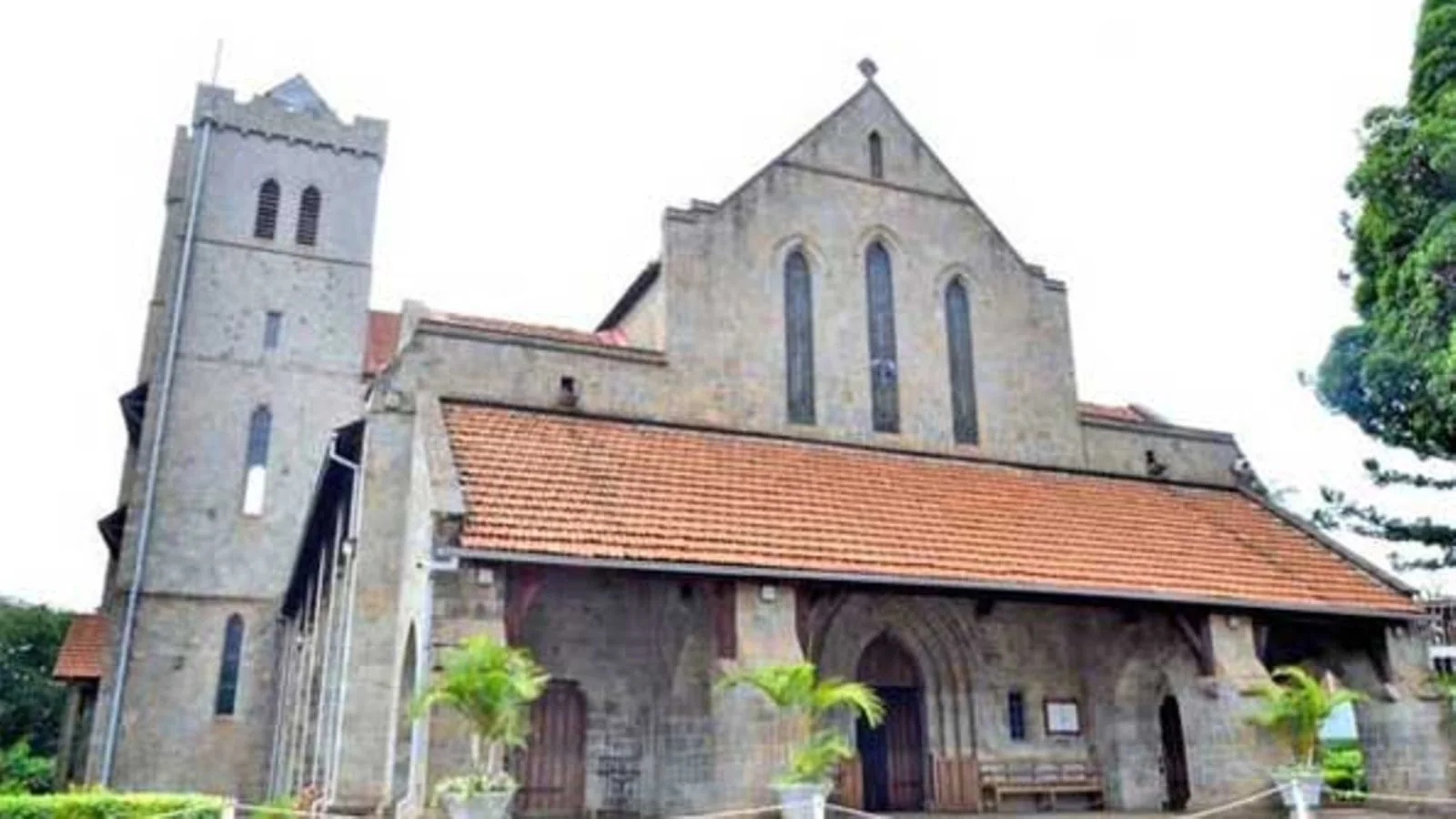
The International Commission of Jurists (ICJ) Kenya has strongly condemned the violent disruption of a civic forum held at All Saints Cathedral in Nairobi, terming it a direct assault on constitutional freedoms and a worrying sign of growing attacks on spaces for public participation.
In a statement issued on June 16, 2026, ICJ Kenya said the incident reflects a dangerous trend where organised groups are increasingly interfering with lawful civic engagements, raising concern over the safety of democratic spaces in the country.
The forum had been organised by the Kenya Human Rights Commission (KHRC), Transparency International-Kenya (TI-Kenya), and the Institute for Social Accountability (TISA) to allow public discussion on the 2026/2027 National Budget, which had been presented before the National Assembly on June 11.
ICJ Kenya noted that the disruption went beyond those who were present at the venue, describing it as an attack on wider democratic freedoms protected under the law.
CCTV footage reviewed after the incident showed attackers arriving in waves, first on motorcycles and later on foot, before storming the meeting and disrupting proceedings. Some participants were also reportedly robbed during the chaos.
Police arrested two suspects at the scene, and later detectives arrested George Omondi Otieno, Effenburg Wanyama Khisa, and Melvin Alumasa Bwani, bringing the total number of arrests to five as investigations continue.
According to ICJ Kenya, “the attack was not merely an assault on those present; it constituted a direct attack on the constitutional rights to freedom of expression, peaceful assembly, association, public participation, and civic engagement guaranteed under the Constitution of Kenya and protected under regional and international human rights law.”
The organisation warned that such incidents point to the increasing spread and normalisation of organised groups that operate in public spaces and interfere with civic and political activities.
It noted that in recent years, there has been a repeated pattern of violent groups disrupting peaceful meetings, intimidating human rights defenders, targeting civil society actors, attacking protests, and destroying property, all aimed at discouraging public participation.
ICJ Kenya said these actions weaken democratic governance, reduce public trust in institutions, and threaten the ability of citizens to exercise their rights freely and without fear of violence or retaliation.
The organisation further raised concern over the continued existence and activity of such groups, saying it raises serious questions about the State’s ability and willingness to meet its constitutional and international duty to protect citizens from violence and safeguard civic space.
It also challenged repeated claims by the Ministry of Interior that such groups are politically sponsored goons, arguing that national security agencies already have the legal mandate and capacity to deal with them.
According to the statement, “the Constitution establishes several national security organs, including the National Intelligence Service (NIS) and the National Police Service (NPS), that are funded by taxpayers and equipped to identify, investigate, and cause the prosecution of these formations.”
ICJ Kenya added that the continued presence and operation of these groups, often in public and visible settings, raises serious concerns that cannot be ignored.
The organisation further called for accountability, asking for clarity on the identity of those involved in organising and financing such activities, as well as why those behind the networks have not been identified and prosecuted despite repeated incidents over the years.




Comments
Sign in with Google to comment, reply, and like comments.
Continue with Google