Kenya receives 21,000 doses of Lenacapavir ahead of HIV prevention rollout
The first counties set to receive the injections are Mombasa, Kilifi, Machakos, Nairobi, Kajiado, Nakuru, Uasin Gishu, Kakamega, Busia, Siaya, Kisumu, Migori, Homa Bay, Kisii and Kiambu.
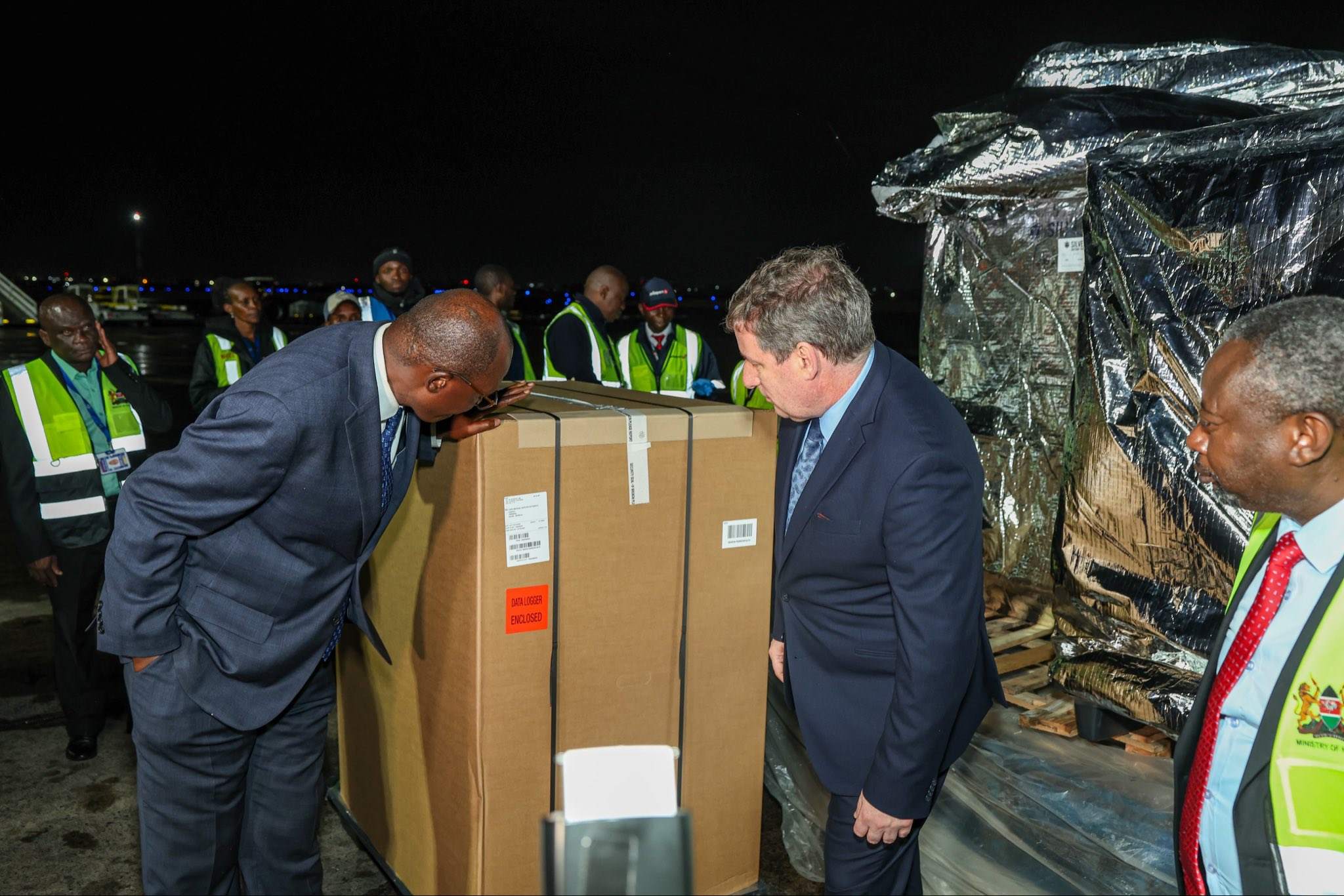
Kenya has begun a major step in its fight against HIV with the arrival of 21,000 starter doses of Lenacapavir, a long-acting injection designed for prevention.
The Ministry of Health confirmed that the national rollout will start in early March, initially covering 15 counties with the highest HIV burden, in a move aimed at reducing new infections and expanding prevention options for at-risk groups.
The first counties set to receive the injections are Mombasa, Kilifi, Machakos, Nairobi, Kajiado, Nakuru, Uasin Gishu, Kakamega, Busia, Siaya, Kisumu, Migori, Homa Bay, Kisii and Kiambu.
Speaking on Tuesday, Health Director General Patrick Amoth stressed that Lenacapavir is only for people who are HIV negative.
“It must be stated clearly and strongly emphasised that this medicine is neither a vaccine nor a cure for HIV,” he said, reminding those on treatment to maintain their regular therapy.
The injection works by interfering with key stages of the HIV life cycle, preventing the virus from taking hold. Each dose protects a person for six months, so only two injections are needed annually.
Amoth said the initial supply was made possible through Global Fund support after negotiations with the manufacturer to reduce the price and make the treatment more accessible.
“Remember, at the introduction of this product, the yearly dose was about 42,000 US dollars. Now, these figures come to Sh7,800 per patient per year. So, a great reduction in price. We are working together as part of the global community to ensure access to these innovative products,” he said.
An additional 12,000 continuation doses are expected by April to ensure uninterrupted protection for those who begin treatment. The United States Government has also committed to providing 25,000 doses, further supporting the rollout and expanding access to more Kenyans.
Lenacapavir will be introduced in a phased manner, guided by data from the National AIDS and STI Control Programme NASCOP, county readiness, and the Kenya PrEP Operational Plan 2025. The approach ensures safety, efficiency, and sustainability.
The first phase covers the initial 15 counties, the second phase will reach another 15, and the final stage will include the remaining 17 counties, guaranteeing nationwide access over time. Amoth said the injection will be distributed through existing public health systems, including KEMSA, while monitoring systems have been strengthened to track safety, usage, and inventory.
Kenya is also developing a long-term resource plan to sustain the programme beyond the initial partner-supported phase.
Current Ministry of Health data shows the country has an HIV prevalence of about 3.7 per cent, with approximately 1.34 million people on antiretroviral therapy. Young people under 24 are especially at risk, accounting for 41 per cent of new infections, highlighting the need for convenient, long-acting prevention options.
Kenya was among the first nine countries globally selected in July 2025 to introduce Lenacapavir, along with Eswatini, Lesotho, Mozambique, Nigeria, South Africa, Uganda, Zambia, and Zimbabwe.
Amoth said the choice reflects Kenya’s “strong leadership and readiness to adopt modern prevention tools that are effective, discreet and easier to use, especially for individuals who may struggle with daily HIV prevention pills.”
The injection was approved by the US Food and Drug Administration in June 2025 and endorsed in updated WHO guidelines in July 2025. In January 2026, Kenya’s Pharmacy and Poisons Board approved Lenacapavir 300mg tablets and 464mg injectable solution following a detailed scientific review in line with national and international standards.




Comments
Sign in with Google to comment, reply, and like comments.
Continue with Google