
Kenya continues to strengthen its Ebola surveillance, emergency preparedness, and response measures, with 52 contacts of confirmed cases remaining under observation following the Bundibugyo Ebola outbreak.
The Ministry of Health says no new cases have been reported since October 19, 2026, with no evidence of community transmission as the country intensifies efforts to contain the outbreak.
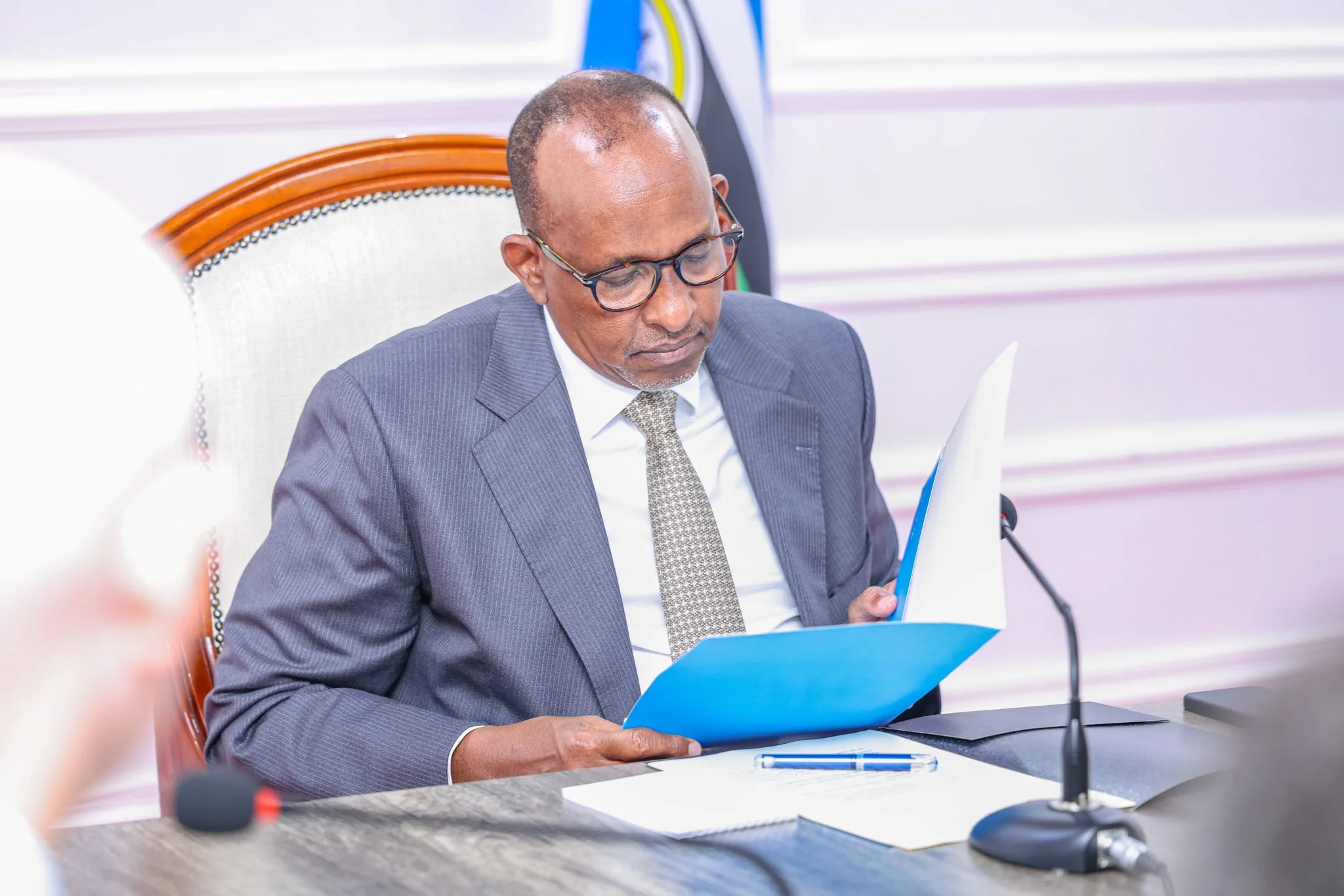
Health Cabinet Secretary Aden Duale disclosed the latest developments following a high-level strategic meeting on Tuesday, with a UNICEF delegation led by Country Representative Shaheen Nofer and Associate Director for Public Health Emergency Preparedness and Response Dr Douglas Noble.
The meeting reviewed Kenya’s response to the Ebola outbreak and explored ways of strengthening collaboration between the government and UNICEF in safeguarding public health.
According to Duale, all nine confirmed Ebola cases are linked to a single chain of transmission, an indication that the outbreak has remained within an identified transmission network.
The CS also announced that 46 contacts had completed the mandatory 21-day monitoring period and were scheduled for release, while another 52 remained under observation.
The developments come as the government maintains surveillance and containment measures to prevent further infections and minimise the risk of the virus spreading to other parts of the country.
The Ministry said surveillance had been strengthened across 26 designated points of entry, with additional investments in healthcare personnel, emergency response teams and laboratory testing capacity.
More than 4,900 healthcare workers have been trained to support Ebola preparedness and response activities, while 349 rapid response teams have been established to improve the country's ability to identify and manage suspected infections.
The government has also designated five laboratories for Ebola testing to strengthen diagnostic capacity and support timely identification of potential cases.
The measures form part of a wider national preparedness strategy aimed at improving detection, contact tracing and response coordination as Kenya continues monitoring the outbreak.
During the engagement, the UNICEF delegation commended the government's coordinated response, particularly its contact tracing efforts, transparency in sharing data and accountability in managing the outbreak.
Duale acknowledged UNICEF's contribution to the response, including the delivery of more than 43,000 items of Personal Protective Equipment (PPE) to support frontline healthcare workers.
Additional PPE and Water, Sanitation and Hygiene (WASH) supplies are expected, bringing UNICEF's total supply contribution to US$716,625.26.
The organisation has also deployed 25 public health personnel to support Kenya's emergency preparedness and response efforts.
The support is expected to strengthen infection prevention and control measures while ensuring that healthcare workers have access to essential protective equipment and supplies as they continue responding to the outbreak.
The meeting also emphasised the importance of sustained investment in community health systems, infection prevention and control, and the availability of essential supplies needed to maintain an effective response.
Duale called for continued support from development partners, urging stakeholders to establish clear implementation timelines and conduct regular joint progress reviews to sustain the gains made so far.
He further stressed the need to maintain uninterrupted access to essential health services while strengthening the country's capacity to respond to public health emergencies.
The discussions highlighted the importance of maintaining collaboration between the government and international partners beyond the immediate outbreak response, particularly in strengthening health systems and improving preparedness for future emergencies.
The CS was accompanied by Principal Secretary for Public Health and Professional Standards Mary Muthoni, Director General for Health Dr Patrick Amoth, Director of Public Health and Sanitation Dr Stephen Muleshe, and Acting Director of the Kenya National Public Health Institute Dr Kamene Kimenye.
Kenya's response continues to focus on surveillance, contact monitoring, laboratory testing, and community-level preparedness as authorities seek to prevent further transmission of the Bundibugyo Ebola virus.