
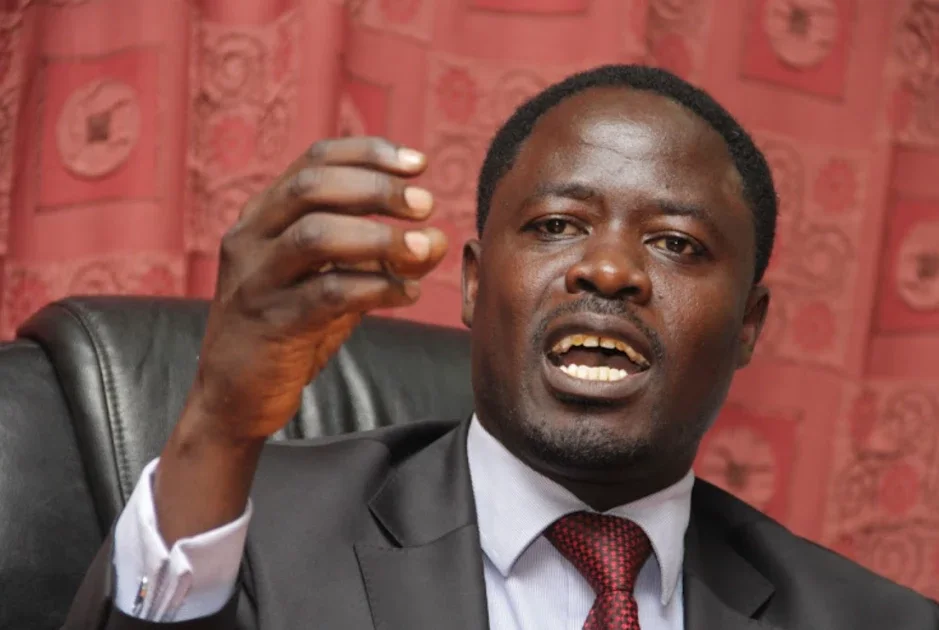
Homa Bay Town MP Peter Kaluma has been issued with a cessation notice by the National Cohesion and Integration Commission (NCIC) after an inquiry into remarks he made shortly before the August 2026 Linda Mwananchi rally in Homa Bay County.
The commission said on Saturday, October 3, that Kaluma’s comments could reasonably be understood as encouraging people to confront and intimidate those holding opposing political views. It said the language used by the legislator was unclear, harsh and capable of creating tension, particularly because the remarks were made ahead of a rally that was later disrupted by violence.
“The Commission found Hon. Peter Kaluma’s speech intemperate, ambiguous and dangerous in its reasonably understood meaning. His words were capable of encouraging private confrontation and intimidation of people holding a different political opinion,” NCIC stated.
The investigation centred on statements Kaluma made on August 15, one day before the Linda Mwananchi gathering.
NCIC said some of the remarks included instructions to “deal with” individuals supporting a one-term presidency, check hotels and houses where people were staying and track their movements using fuel that was allegedly provided for the exercise.
Kaluma later appeared before the commission on August 31 to answer the allegations. He was represented by lawyers during the proceedings and admitted making the remarks.
The Homa Bay legislator, however, gave a different explanation for his comments, saying he was responding to what he believed was a security threat involving armed people who had been brought into the county.
He also challenged portions of the translation of his remarks and relied on video recordings, police activity and security information to support his account.
On the issue of hotels, Kaluma told the commission that his intention was to encourage residents to remain alert over possible illegal weapons. He relied on the Prevention of Terrorism Act in explaining his position.
The MP denied having organised or caused the violence that later occurred during the rally. He also indicated that he was willing to work with NCIC on peace initiatives.
NCIC said it took Kaluma’s security explanation into account and considered it credible in important areas. However, the commission concluded that the wording he used went beyond what was needed to address the alleged security concern.
“A genuine threat required precise warnings, referral to police and an express instruction against private confrontation,” the commission stated.
The commission further ruled that the Prevention of Terrorism Act did not give political supporters powers to enter hotels or houses, inspect the premises, demand the identities of guests or confront people staying there.
It said any attempt to interpret Kaluma’s remarks as permission for private action against political opponents would not be protected by the constitutional right to freedom of expression under Article 33.
Despite its findings on the remarks, NCIC said its investigation did not establish the ethnic or racial connection required for possible offences under sections 13 and 62 of the National Cohesion and Integration Act.
The commission therefore clarified that its decision was not a finding that Kaluma had committed an ethnic hate speech offence.
NCIC also considered Kaluma’s subsequent explanation, his cooperation during the investigation and his willingness to participate in peace initiatives as factors in his favour. However, it said those steps did not remove the concerns raised by the original remarks.
“Actual violence need not occur before dangerous speech warrants preventive intervention,” NCIC stated.
The commission said its determination was guided by sections 25 and 59–61 of the National Cohesion and Integration Act, together with constitutional provisions dealing with national values, freedom of expression, fair administrative action and responsible leadership.
Kaluma had initially asked for his appearance before NCIC to be postponed, citing unavoidable state duties. He eventually appeared before the commission on August 31 alongside Busia Governor Paul Otuoma.
NCIC said the action against Kaluma was intended to deal with the risk of political intimidation and was not meant to classify his remarks as ethnic hate speech.
The commission also made clear that its findings would not stop or affect separate investigations into the violence that followed the Homa Bay rally.