WMO report signals dry monsoon trend and rising heat for South Asia in 2026
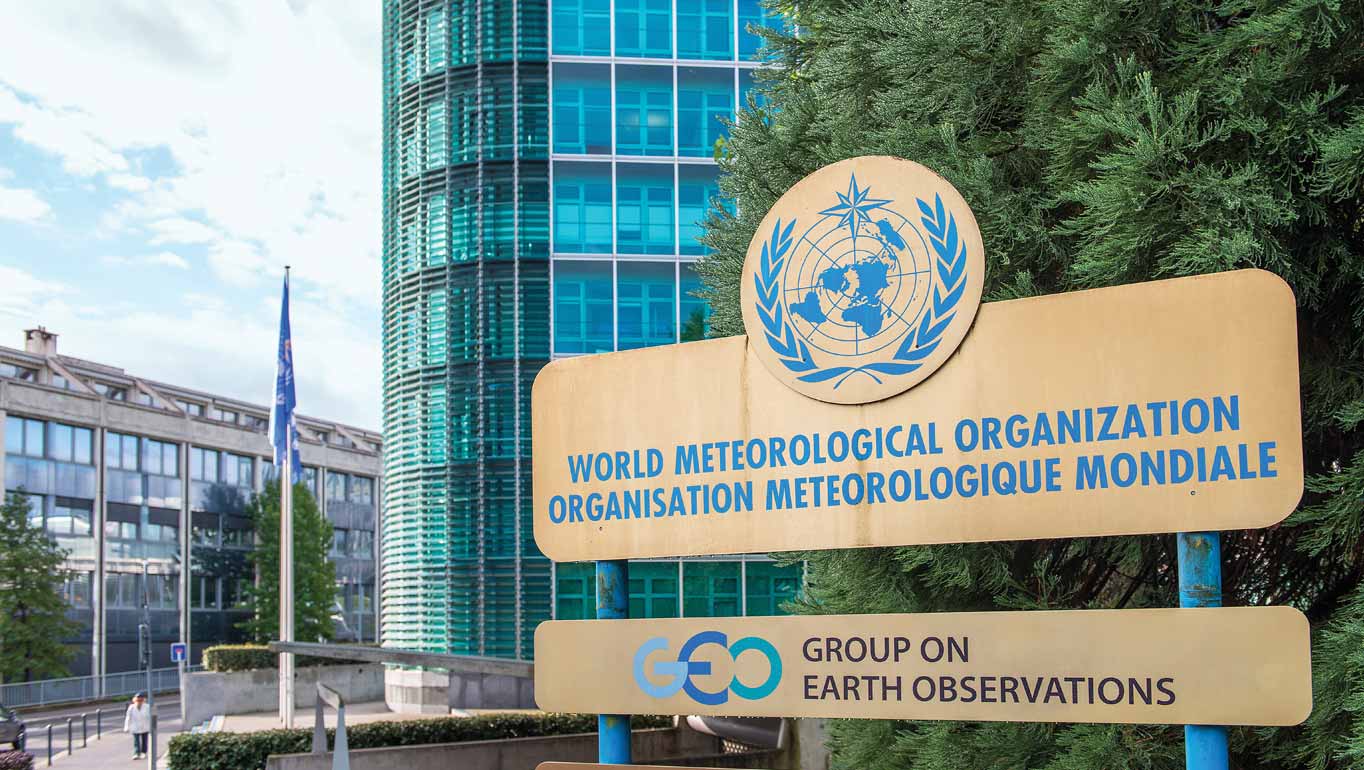
The World Meteorological Organization says South Asia is likely to see below-average rainfall in the June–September 2026 monsoon, alongside above-normal temperatures. The forecast aims to help agriculture, water and heat-health planning.
A new seasonal climate outlook has raised concern across South Asia after warning that the upcoming 2026 southwest monsoon may bring weaker than usual rainfall in most areas, while temperatures are expected to remain higher than normal. The forecast points to possible strain on farming, water systems and health services in a region where millions depend on seasonal rains for survival and economic activity.
The report, released on April 30, 2026, indicates that rainfall during the June to September monsoon season is likely to fall below average across much of South Asia, with central areas expected to be the most affected. The assessment was produced through regional climate forecasting systems coordinated under the World Meteorological Organization framework and shared through the South Asian Climate Outlook Forum.
While the general outlook shows a weaker monsoon, the forecast also notes that some parts of the north-western, north-eastern and southern regions may still receive normal to above-normal rainfall between May and September.
At the same time, temperatures across the region are expected to rise above normal levels, affecting both daytime heat and night-time conditions. This combination of reduced rainfall and rising heat is expected to increase pressure on food production, water availability and public health systems.
Climate experts say the early warning is important for governments and planners, especially in sectors that depend heavily on rainfall patterns such as agriculture, irrigation systems and energy production, including hydropower. The outlook is also expected to support preparation for heat-related health risks and improve planning in vulnerable communities.
The southwest monsoon remains one of the most important weather systems in South Asia, usually running from June to September. It provides about 75 to 90 percent of annual rainfall in many parts of the region and plays a key role in filling rivers, lakes and groundwater sources that support farming and drinking water supplies.
The report also highlights that the monsoon period can bring both benefits and risks. While it supports agriculture and water storage, it can also trigger heavy rainfall events and flooding, which often lead to loss of life, displacement and damage to infrastructure in several countries.
According to the outlook, global climate drivers are expected to play a major role in shaping the 2026 season. Experts point to growing signs that El Niño conditions may develop during the monsoon period, which is often linked to weaker rainfall in parts of South Asia.
In addition, the Indian Ocean Dipole is expected to shift from a neutral phase to a positive phase, a change that can further affect how rainfall is distributed across the region.
The seasonal forecast was developed during a regional forum held in Malé, Maldives. It brought together nine National Meteorological and Hydrological Services from Afghanistan, Bangladesh, Bhutan, India, Maldives, Myanmar, Nepal, Pakistan and Sri Lanka.
The World Meteorological Organization says such seasonal outlooks are part of wider global climate services designed to protect lives and support economic planning. These services combine early warning systems and risk management tools that help countries prepare for both drought and flood risks.
The organization also notes that these forecasts support multi-hazard early warning systems, including tools for flash flood prediction and drought monitoring, which are becoming more important as climate patterns continue to shift.
Work is also ongoing to strengthen coordination between weather services and public health agencies. New initiatives such as the South Asia Heat and Health Hub are aimed at improving responses to heat-related health risks, while the South Asia Climate–Health Desk supports joint work between climate and health institutions.
These programmes are part of the broader WHO–WMO Climate and Health Joint Programme, which also works with partners such as the Indian Institute of Tropical Meteorology and the India Meteorological Department.
The WMO Coordination Mechanism continues to provide weekly and seasonal briefings to United Nations agencies and humanitarian organisations to support early planning and response.
A recent briefing held on April 29 included technical updates on the southwest monsoon outlook and was shared with more than 300 participants from international organisations involved in preparedness work.
Experts note that while seasonal forecasts made this early in the year carry some level of uncertainty due to natural climate variability, updated national and regional forecasts will continue to guide decision-making as the monsoon approaches.
They add that as climate patterns become less predictable, seasonal outlooks are becoming more important for governments and communities trying to balance the risks of drought, heat and flooding in South Asia.



Comments
Sign in with Google to comment, reply, and like comments.
Continue with Google