MPs raise alarm over ‘bureaucratic’ strategic Goods Control Bill
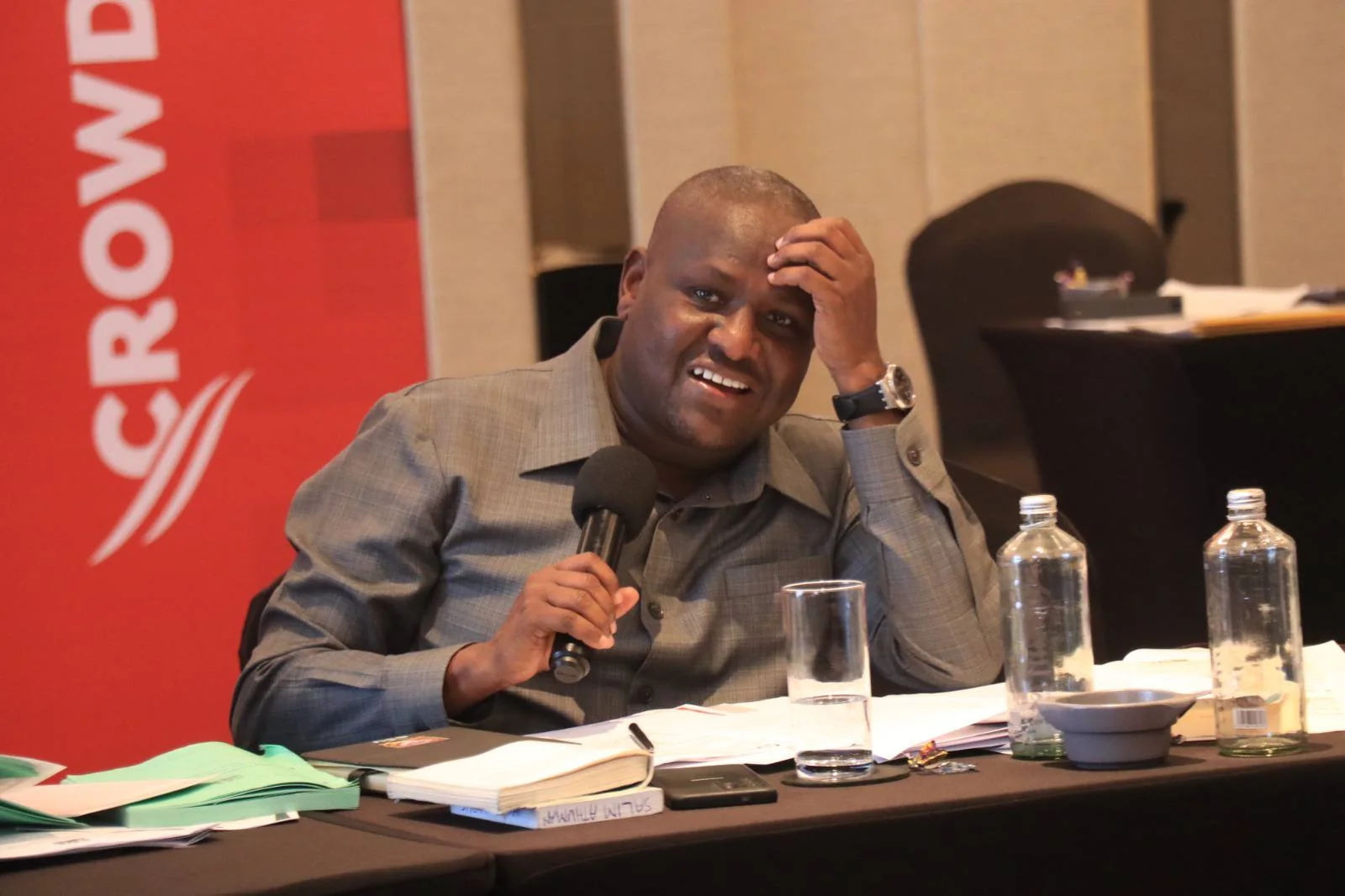
Committee chairperson and Narok West MP Gabriel Tongoyo questioned why the Bill proposes a committee to oversee strategic trade instead of establishing an independent regulatory authority or board.
MPs have warned that the proposed Strategic Goods Control Bill, 2026 risks creating an expensive and confusing regulatory system that could force traders to seek approvals from multiple agencies despite government efforts to ease doing business.
The concerns emerged during public participation on the Bill before the National Assembly Departmental Committee on Administration and Internal Security, where lawmakers questioned the proposed structure, oversight powers, and implementation framework contained in the legislation.
The proposed law seeks to regulate the trade, importation, exportation, and transit of strategic goods, sensitive technologies and dual-use items considered to pose national security risks.
Stakeholders who appeared before the committee on Tuesday included representatives from the State Department for Internal Security, the Ministry of Defence, the Office of the Attorney General, the State Department for Trade, and the State Department for Mining.
Committee chairperson and Narok West MP Gabriel Tongoyo questioned why the Bill proposes a committee to oversee strategic trade instead of establishing an independent regulatory authority or board.
“The objective of this Bill is to control trade of listed strategic goods and technology, but in my opinion, this would have been better handled by a board or regulatory authority rather than a committee,” said Tongoyo.
He noted that sectors such as firearms and nuclear materials are already supervised by independent regulators, raising concerns that the proposed committee may lack the authority and operational efficiency required to manage such a sensitive sector.
Principal Parliamentary Counsel in the Office of the Attorney General Olivia Simiyu defended the proposal, saying the intention was not to establish another state corporation but to create a coordinating framework bringing together existing regulators.
“The purpose of the committee was not to take over the mandate of existing bodies such as the Nuclear Regulatory Authority or the Firearms Licensing Board. It is meant to coordinate various agencies and streamline verification processes,” she said.
However, lawmakers maintained that the Bill appears to assign the committee powers similar to those of a regulator, including registration, licensing, suspension of licences and handling appeals.
“If the committee is doing registration and licensing, then essentially it becomes a regulator. At the same time, it is expected to provide oversight. There seems to be a disconnect,” Tongoyo observed.
Committee vice-chairperson and Saku MP Dido Rasso warned that the institution could eventually grow into a costly bureaucracy requiring a large secretariat and specialised personnel drawn from several ministries and agencies.
“We do not wish to make pedestrian laws that will later be challenged in court or fail to function,” said Rasso.
He further warned that traders could end up moving from one agency to another seeking approvals, a process lawmakers said could undermine the government’s efforts to improve ease of doing business.
Suna West MP Peter Masara sought clarity on which Cabinet Secretary would oversee implementation of the law and called for clear qualifications for the proposed director of the secretariat.
“This is a highly specialised sector. Whoever coordinates it must have very specific skills,” he said.
Security sector representatives defended the proposed structure, arguing that it would minimise costs by relying on officers seconded from existing agencies instead of recruiting new staff.
A representative from the National Intelligence Service acknowledged that the committee structure may not be as effective as a fully-fledged authority but said the government was operating under directives aimed at reducing the number of state agencies.
Despite the concerns raised during the session, the committee resolved to continue consultations on the Bill as lawmakers seek to refine the proposed law and strike a balance between national security interests and ease of doing business.



Comments
Sign in with Google to comment, reply, and like comments.
Continue with Google