Kindiki highlights education gains, says budget to rise to Sh765bn in 2026/27
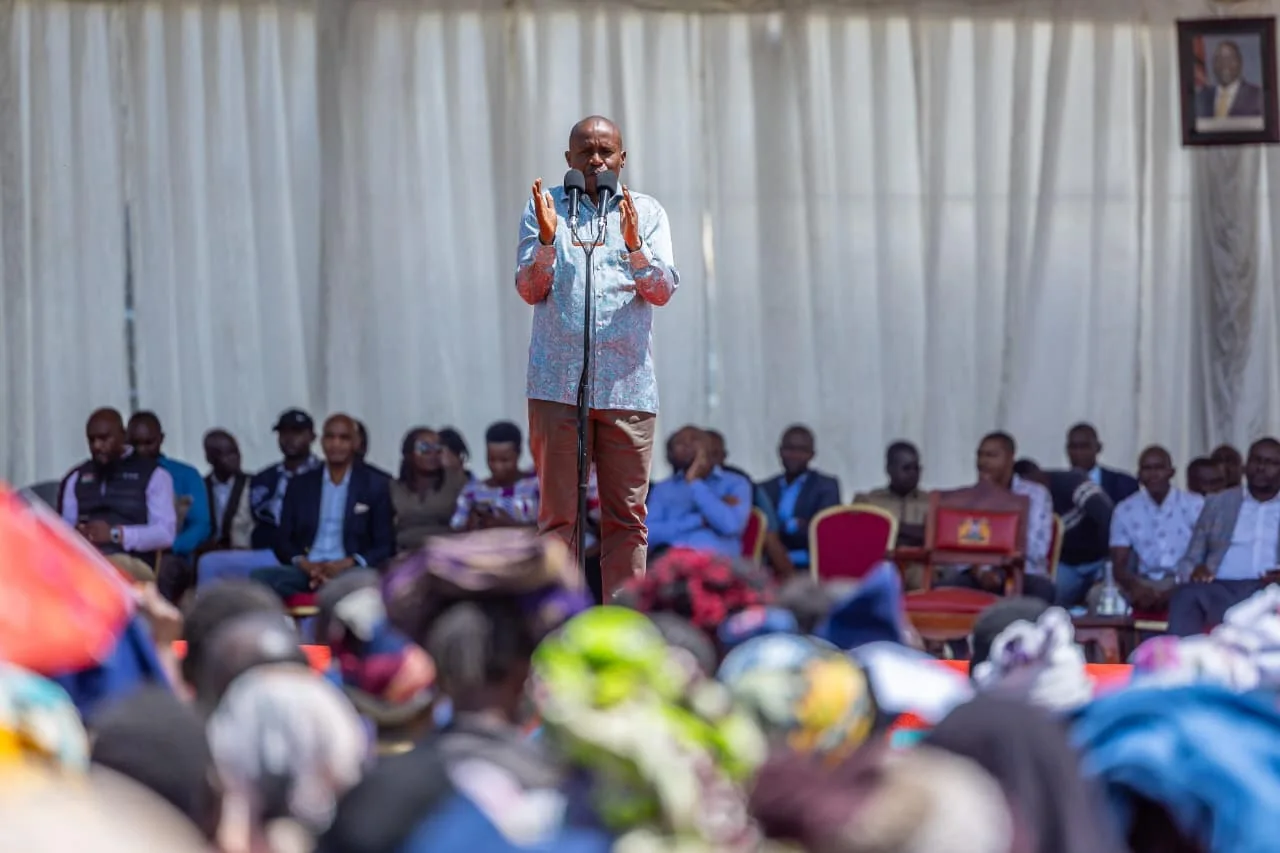
He said the State has recruited 100,000 teachers, built 23,000 classrooms, and increased TVET enrollment from 297,000 to 718,000 students through ongoing reforms and infrastructure investment.
Deputy President Kithure Kindiki has defended the government’s education reforms, citing increased funding, large-scale teacher recruitment, expanded school infrastructure, and growing enrollment in technical institutions as evidence that the sector is undergoing major transformation.
Speaking on Monday during the commissioning of Geturi School in Mosocho, Kitutu Chache North Constituency in Kisii County, Kindiki said the government had steadily increased investment in education since 2022 and would allocate a record Sh765 billion to the sector in the 2026/2027 financial year.
He said education funding had risen from Sh500 billion in 2022 to Sh702 billion in the current financial year, reflecting the administration’s commitment to improving learning opportunities across the country.
“We are investing heavily in education because it remains the strongest foundation for equality, opportunity, and national transformation,” Prof Kindiki stated.
The Deputy President said the increased allocation had supported ongoing reforms under the Competency-Based Education and Training (CBET) system, expansion of learning facilities, and recruitment of teachers.
According to Kindiki, the government has recruited 100,000 teachers over the last four years in an effort to address staffing shortages and improve the quality of education in schools nationwide.
He also pointed to investments in infrastructure, saying 23,000 classrooms and 1,600 laboratories had been constructed to create a better learning environment for students.
At the technical training level, Kindiki said reforms in Technical and Vocational Education and Training (TVET) institutions were helping more young people access skills training and employment opportunities.
He noted that the government was building and equipping at least one technical training institute in every constituency as part of efforts to strengthen vocational education.
The Deputy President said reforms including modular-based learning, recognition of prior learning, and the dual training policy were helping modernise technical education and make it more responsive to labour market demands.
He further attributed the rise in TVET enrollment to reduced fees at technical institutions.
According to Kindiki, annual fees were lowered from Sh105,000 to Sh87,000, contributing to an increase in enrollment from 297,000 students in 2022 to 718,000 currently.
The Deputy President also defended the student-centred university funding model, which has attracted criticism and faced legal challenges since its introduction.
He said the model was designed to ensure that no student is denied university education because of financial constraints while at the same time helping public universities address long-standing funding difficulties.
Kindiki pledged continued support for teacher recruitment, school infrastructure development, and student assistance programmes, saying the government remained focused on ensuring every learner has access to quality and relevant education.
The commissioning of Geturi School was part of education projects funded through the National Government Constituency Development Fund (NG-CDF) under the patronage of Kitutu Chache North MP Japhet Nyakundi.
The event was attended by Kisii Deputy Governor Elijah Obebo, Members of Parliament, MCAs, parents, teachers, and students.
The Deputy President’s remarks come at a time when debate continues over the implementation of the CBET curriculum, the cost of higher education, and the financial stability of public universities.
The government has maintained that the ongoing reforms, backed by increased funding and restructuring measures, are necessary to address infrastructure gaps, improve learning outcomes, and equip learners with skills needed for the country’s economic growth.



Comments
Sign in with Google to comment, reply, and like comments.
Continue with Google