Safina Deputy Leader warns debt servicing is crowding development spending
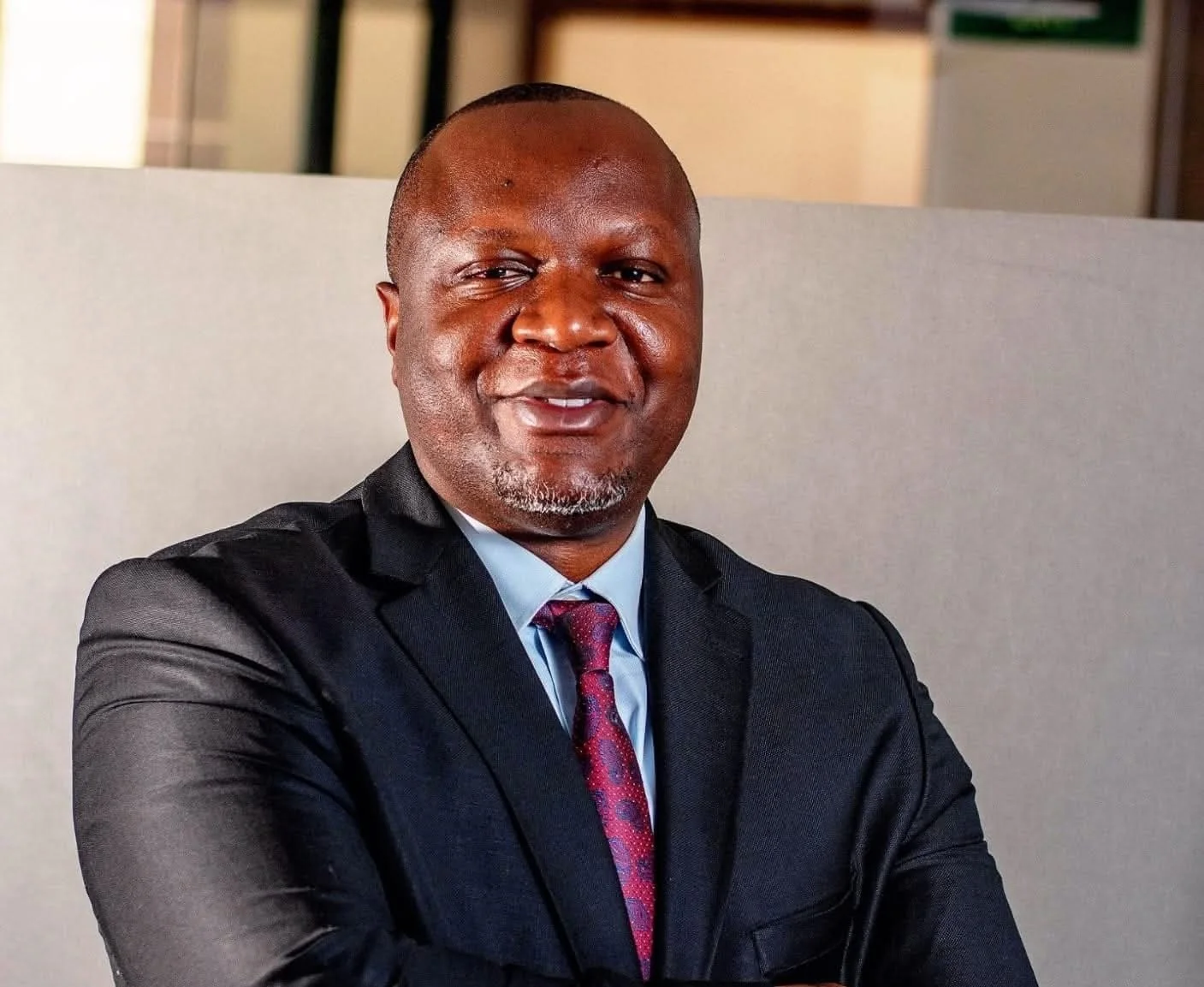
In a statement on Monday, Otieno argued that rising taxation, expanding debt obligations, and slowing economic productivity are placing increasing pressure on households, businesses, and long-term national development planning.
Safina Deputy Party Leader Willis Evans Otieno has warned that Kenya risks operating a “repayment model” rather than a development economy as debt servicing consumes a growing share of tax revenues.
In a statement on Monday, Otieno argued that rising taxation, expanding debt obligations, and slowing economic productivity are placing increasing pressure on households, businesses, and long-term national development planning.
“The Kenyan taxpayer is increasingly financing a debt economy rather than a productive economy,” he noted.
According to Otieno, rising taxes and expanding public debt have not translated into visible economic transformation, creating what he described as a contradiction that should concern citizens.
“Each year, taxes rise. Each year, public debt expands. Yet visible economic transformation becomes harder to identify,” he stated.
He argued that if “nearly 90% of expected revenue is projected toward debt servicing and repayments,” then the national budget effectively becomes “a debt management document rather than a development blueprint”.
Otieno said the consequences of such a trajectory were already visible across different sectors of the economy.
“Businesses struggle under heavy taxation, households lose purchasing power, government crowds out private borrowing, youth unemployment rises, economic productivity slows, public frustration intensifies,” he explained.
The Safina deputy party leader maintained that debt could only be justified if it generated productive economic expansion capable of supporting future growth.
“Debt is useful only when it creates productive expansion capable of generating future growth,” he said, warning that debt which continuously consumes national revenue without corresponding industrial transformation eventually becomes “a burden transferred from one generation to the next”.
Otieno also questioned the broader borrowing model adopted by the country, saying citizens had been conditioned to accept borrowing without critically examining its long-term implications.
“The deeper tragedy of Kenya’s debt crisis is that the public is conditioned to fear questioning borrowing itself,” he highlighted.
He noted that borrowing was often defended as necessary for development, but argued that if development were matching the pace of debt accumulation, then the national budget would not be under severe repayment pressure.
“A healthy economy borrows to expand production, strengthen industries, improve exports, create employment, and increase long-term state capacity,” he stated.
The debate comes amid Kenya’s public debt rising sharply over the past decade, increasing from about Sh1.8 trillion in 2013 to about Sh12.4 trillion by January 2026, according to Treasury data.
The borrowing financed major infrastructure projects, including the Standard Gauge Railway, roads, energy expansion, and recurrent budget deficits.
Latest Treasury figures show Kenya plans to borrow more than Sh1 trillion domestically in the 2026/27 financial year, with external borrowing projected at about Sh99.5 billion.
The Public Debt Management Office says debt servicing for FY2024/25 reached Sh1.72 trillion. Kenya’s total debt stock currently stands at about Sh12.32 trillion, equivalent to 65.7% of GDP.
Treasury data further shows the government collected about Sh2.43 trillion in revenue within seven months to January 2026, including Sh1.34 trillion in tax revenue, while debt repayment consumed more than Sh1 trillion over the same period.
Otieno further warned that once debt servicing begins consuming almost all tax revenue, the sustainability of the borrowing model itself must be questioned.
“At that stage, the country risks entering a permanent cycle where new taxes finance old debt, new loans repay existing loans, and citizens carry the burden of economic decisions from which they derived little benefit,” he highlighted.
Describing Kenya’s fiscal challenges as no longer theoretical, he argued that the crisis was now visible in the structure of the national budget.
“When debt repayment consumes almost the entirety of expected tax revenues, government gradually loses the ability to govern strategically,” he said.
According to Safina Deputy Party Leader, such pressure weakens long-term planning, reduces public investment, and leaves ministries operating under financial distress.
“This is how debt quietly transforms from a financial instrument into a national constraint,” he added.
He further argued that public debate had become overly focused on new taxation measures rather than the broader issue of expanding borrowing despite what he termed declining development outcomes.
“Why is borrowing still expanding despite increasing taxation and declining development outcomes?” he posed.
Otieno explained that an economy could not sustain growth while simultaneously “taxing away productivity and suppressing private sector growth”.
He warned that a country where almost all tax revenue is committed to debt servicing ceases to operate a development-focused model.
“At that point, taxation ceases to function as a tool for nation-building and instead becomes a mechanism for sustaining debt obligations,” he expressed.
He further argued that industrialisation would remain difficult under persistent repayment pressure.
“What emerges is a fragile economy trapped between excessive borrowing, aggressive taxation, shrinking private sector productivity, and declining public trust,” Otieno noted.
“An economy cannot grow when almost every shilling collected has already been promised to creditors.”



Comments
Sign in with Google to comment, reply, and like comments.
Continue with Google