KNIT member pushes for citizen-led priorities amid rising debt concerns
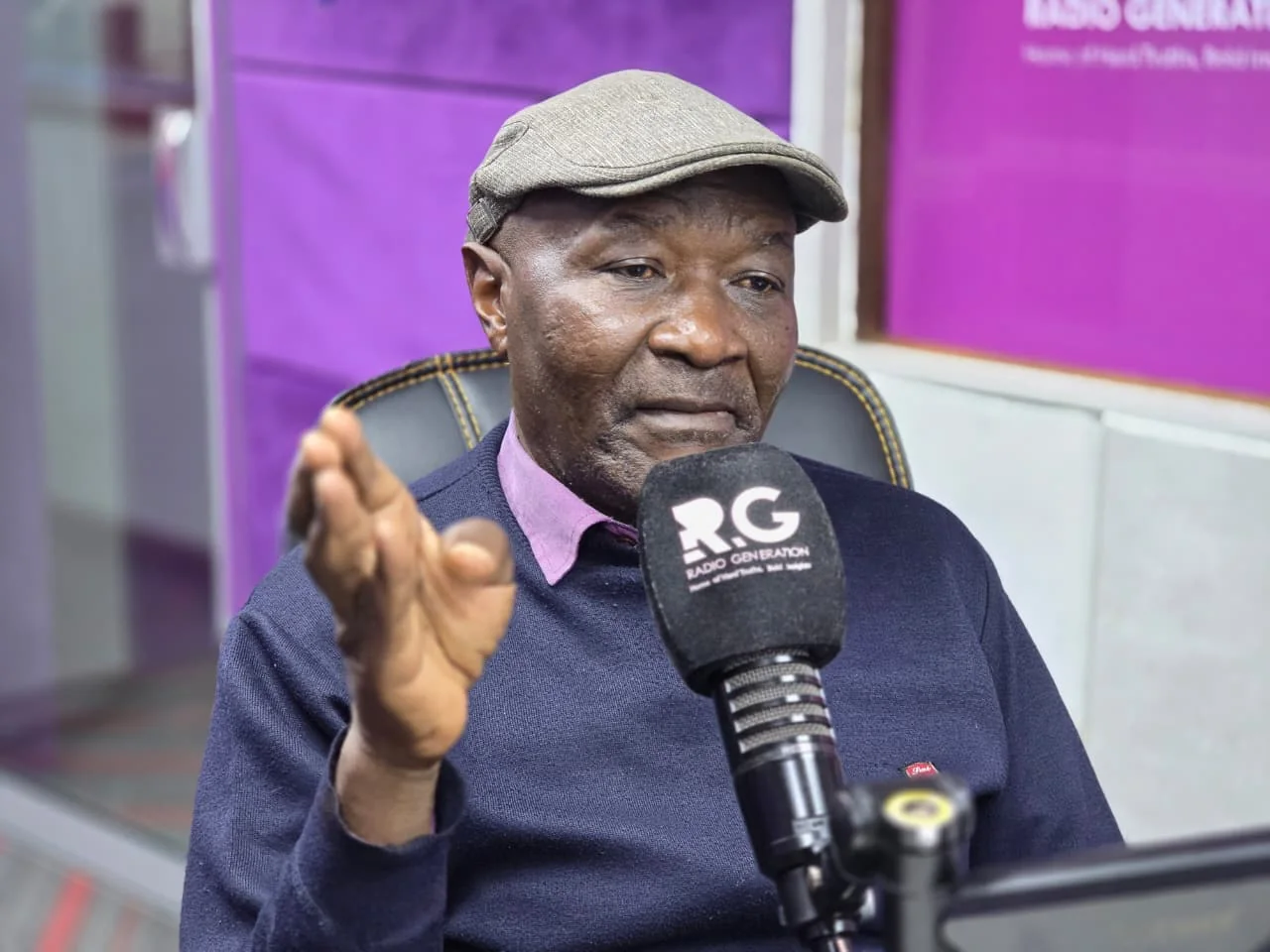
Achoka said Kenya needs a structured national dialogue to ensure governance choices reflect the lived realities of citizens. He argued that the idea of national interest should not be separated from public welfare.
The Kenya National Interface Team has renewed debate over the country’s economic direction after member Awori Achoka urged a shift in how national priorities are set, saying citizens must have a stronger voice in decisions on debt, budgeting and development planning.
Speaking on Friday during a Radio Generation interview, Achoka said Kenya needs a structured national dialogue to ensure governance choices reflect the lived realities of citizens. He argued that the idea of national interest should not be separated from public welfare.
He questioned how major financial commitments are approved, particularly external borrowing, saying Kenyans are rarely included in discussions that bind the country to long-term repayment obligations. He said this has created a growing disconnect between decision-making centres and ordinary citizens.
Achoka insisted that national planning should be anchored on what he described as “irreducible minimums”, which include education, healthcare, food security and sovereignty.
“When we speak of national interest, anything that does not serve the interests of the people cannot be considered national interest,” he stated, adding that sovereignty ultimately rests with the people of Kenya.
He pointed to constitutional provisions, saying Article One already establishes that all power belongs to the people and is only exercised by state institutions on their behalf. He said this principle is not consistently reflected in economic and policy decisions.
The Kenya National Interface Team member also said the country lacks a stable and unified development blueprint, arguing that this has allowed shifting political interests and private influence to shape national priorities over time. He said this weakens consistency in planning and delivery.
A key part of his remarks focused on Kenya’s debt burden, which he said continues to affect citizens through taxation pressures and reduced public services. He questioned whether borrowing decisions are made with adequate public participation.
“Whose debt are you paying? It is the nation’s debt, supposedly,” he noted, suggesting that Kenyans were not meaningfully involved in the acquisition of some external loans.
He also referred to past borrowing programmes, including Eurobond deals, which he said raised questions about transparency and accountability in how funds were utilised. “We went out there to borrow 250 billion, supposedly. What happened? Hardly anything reached here,” he said.
His comments come as Kenya’s public debt continues to grow, driven by infrastructure financing needs, fiscal shortfalls and refinancing of maturing obligations. By 2025–2026, total debt was estimated at between Sh12.3 trillion and Sh12.8 trillion, with external debt surpassing Sh 5.418 trillion.
Key sources of borrowing include Eurobonds issued in 2014 and 2018, which funded infrastructure projects, budget support and debt repayment. More recent borrowing has focused on refinancing obligations falling due between 2024 and 2028.
China Exim Bank loans, including funding for the Standard Gauge Railway project between 2014 and 2017 at about Sh645 billion, remain among the largest infrastructure commitments. Multilateral lenders such as the World Bank and IMF have also supported Kenya’s fiscal reforms, including a Sh464.4 billion IMF programme running from 2021 to 2025.
Recent debt operations have increasingly focused on managing repayment pressure through buybacks and new issuances aimed at smoothing maturities, including transactions carried out in 2025 and 2026 worth hundreds of billions of shillings.
Achoka said that despite these efforts, citizens continue to carry the weight of repayment through taxation and limited public services, pointing to what he described as structural gaps in planning and accountability.
He proposed the creation of “irreducible minimums” or “non-negotiable national interests” to guide government spending and policy direction. These, he said, should include sovereignty, unity, security, education, healthcare, food security and social protection.
He also listed environmental protection, devolution, accountable governance and protection of natural resources as key priorities, arguing that Kenya should strengthen local processing of raw materials and support state-owned enterprises to boost economic independence.
“The first item on funding our national priorities should go to these items,” he said, insisting that budgeting should be guided by clearly defined public needs rather than shifting political agendas.
He further compared Kenya’s approach with countries such as China, saying long-term planning and sustained investment in education, health and technology had driven major transformation elsewhere.
Achoka also raised concerns over economic sovereignty, including control of national data systems and infrastructure, warning that dependence on foreign platforms could weaken state control over sensitive information.
He called for a wider national conversation on constitutional interpretation, especially Article 203, saying public finance priorities should be grounded in collectively agreed national interests.
He concluded by urging citizens to take part in defining those priorities, saying: “Let Kenyans start discussing and say that Article 2031 talked of our national interest. This is what we mean.”
The remarks add to ongoing public debate on Kenya’s debt levels, governance choices and how to balance financial commitments with social and development needs.



Comments
Sign in with Google to comment, reply, and like comments.
Continue with Google