MPs grill Wattanga over delayed vetting, KRA exit and readiness for Canada post
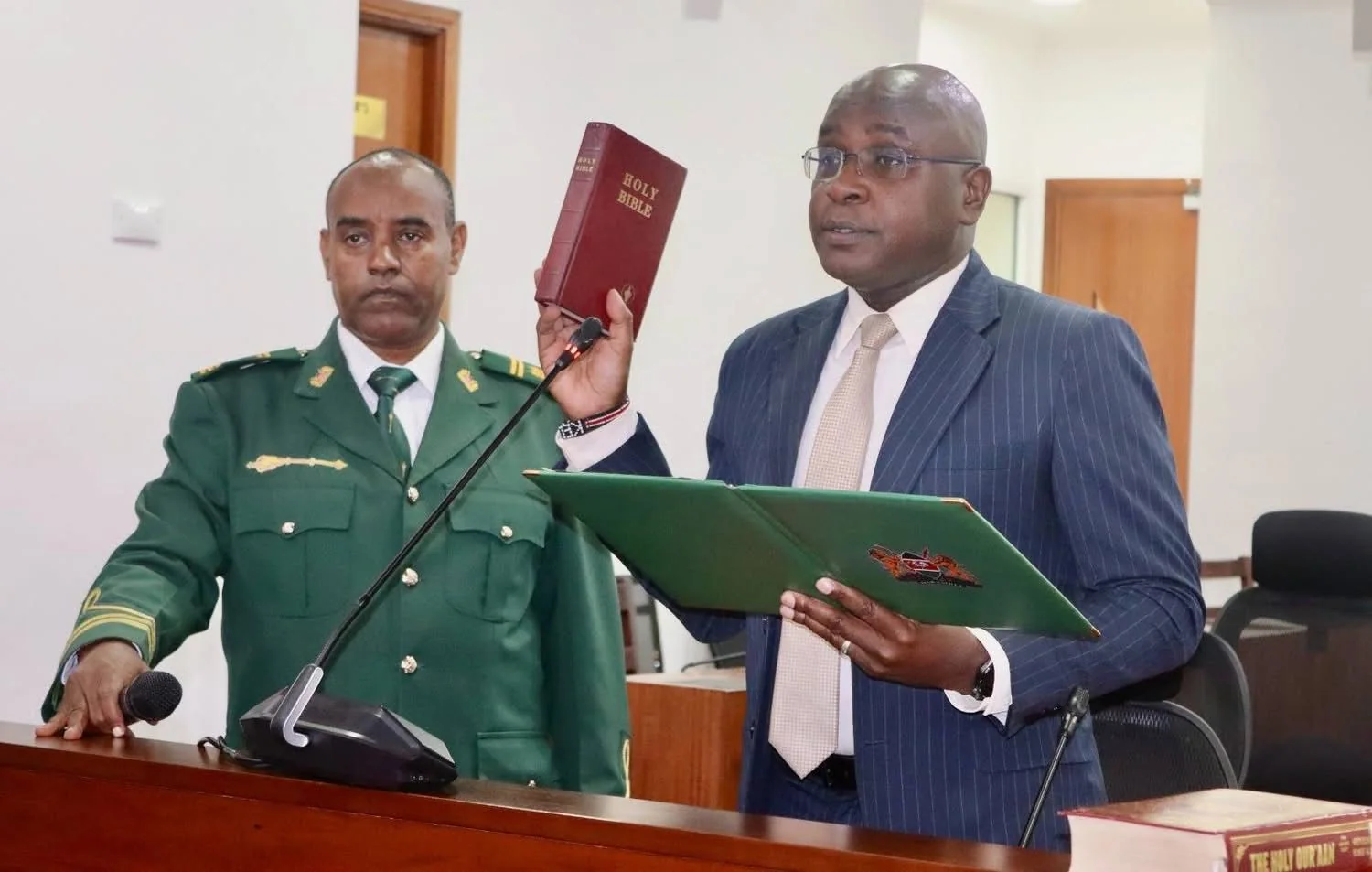
Wattanga, who served as KRA Commissioner General from August 2023 to April 2026, appeared before the committee chaired by Belgut MP Nelson Koech for approval hearings at Parliament Buildings.
Members of the National Assembly Defence, Intelligence and Foreign Relations Committee on Thursday put Kenya’s nominee for High Commissioner to Canada, Humphrey Wattanga, under intense scrutiny over his delayed vetting request, his departure from the Kenya Revenue Authority and concerns about his diplomatic preparedness.
Wattanga, who served as KRA Commissioner General from August 2023 to April 2026, appeared before the committee chaired by Belgut MP Nelson Koech for approval hearings at Parliament Buildings.
Lawmakers questioned why the nominee had sought postponement of his initial vetting session scheduled for April 27, describing the request as unusual for a presidential nominee.
Kamukunji MP Yusuf Abdi said Parliament had rarely encountered a situation where a nominee requested a delay in an approval hearing.
“You wrote to Parliament asking for the vetting to be postponed. We have never had a nominee appointed by the President request Parliament to delay an approval hearing. What informed that decision?” asked Abdi.
Gilgil MP Martha Wangari said the postponement created the impression that Wattanga was reluctant to take up the diplomatic assignment.
“I felt like you either had cold feet or were not interested in the position. That sends the wrong message, especially considering Canada is one of Kenya’s oldest bilateral partners,” she said.
In response, Wattanga defended his decision, saying he needed more time to oversee a smooth transition at KRA following his exit from the tax agency.
“The period between my exit from KRA and the scheduled vetting was a period of 10 days which was very short. The Commissioner General’s office carries extensive responsibilities, and I believed a structured and seamless handover was necessary before shifting focus to the approval process,” he told the committee.
The committee also pressed him over speculation surrounding his departure from KRA before the expiry of his term.
Wangari directly asked whether he had been dismissed from office.
“There have been claims that you were dismissed from KRA. Since your term had not ended, can you clarify the circumstances of your exit?” she posed.
Wattanga dismissed the claims, explaining that his contract allowed him to proceed on terminal leave ahead of the expiry date.
“My contract runs until August this year. There is a provision allowing an incumbent to proceed on terminal leave if the contract will not be renewed. I am currently on leave and have already been paid for that period,” he said.
Lawmakers further questioned his career record, citing what they described as frequent movement between jobs.
“You appear not to stay long in positions. Several jobs lasted only a year, while others lasted only months. What explains the frequent movement?” asked Hon. Abdi.
Committee chairperson Hon. Koech also challenged the nominee to explain his legacy at KRA, particularly in relation to revenue collection.
Wattanga defended his tenure, saying the authority had registered strong growth in revenue performance.
“For the nine months ending March 2026, KRA had already collected Sh2.04 trillion. The target for the financial year is Sh2.97 trillion, and we are on course to surpass Sh2.8 trillion. Revenue growth currently stands at 11.1 per cent,” he said.
On foreign relations, Saboti MP Caleb Amisi asked the nominee how he intended to strengthen trade ties between Kenya and Canada and address the trade imbalance between the two countries.
Wattanga acknowledged the gap, noting that Canada exported goods worth about 160 million dollars to Kenya in 2025 compared to Kenya’s 58 million dollars in exports to Canada.
“This shows a significant trade deficit that requires a targeted and sector-specific strategy,” he said.
He said Kenya could improve earnings by exporting more value-added products and expanding cooperation in technology, education and digital services.
“Canada is technologically advanced, while Kenya has strong ICT talent. There is an opportunity for Kenyan youth to work within Canada’s digital economy, expand business opportunities and increase remittances back home,” he added.
The committee is expected to table a report before the National Assembly recommending either Wattanga’s approval or rejection.



Comments
Sign in with Google to comment, reply, and like comments.
Continue with Google