Malala renews push for political transition, targets KANU-era leaders ahead of 2032
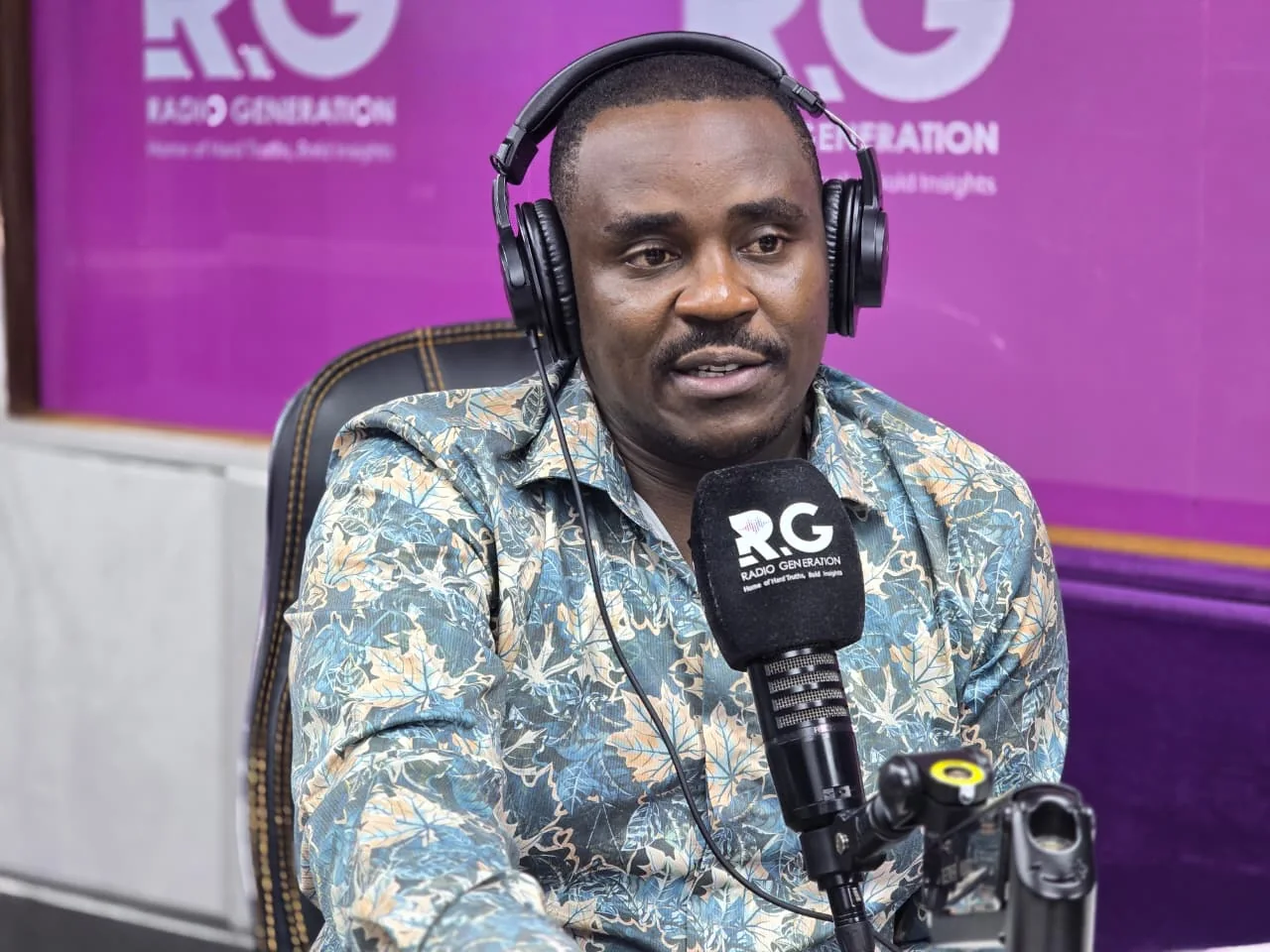
Malala said the current political cycle marks the final phase in which leaders linked to KANU should still be at the centre of national decision-making. He maintained that by 2032, such leaders should have already stepped back from frontline politics to allow fresh leadership to emerge.
Calls for a shift in Kenya’s political leadership took a sharper turn after DCP Deputy Party Leader Cleophas Malala urged that politicians with roots in the KANU era begin exiting active politics before the 2032 elections, saying the country must steadily open space for younger leaders.
Speaking on Friday during an interview at Radio Generation, he argued that the transition should not be rushed but carefully managed to avoid disrupting governance structures while preparing for a new political generation.
Malala said the current political cycle marks the final phase in which leaders linked to KANU should still be at the centre of national decision-making. He maintained that by 2032, such leaders should have already stepped back from frontline politics to allow fresh leadership to emerge.
The Former Kakamega Senator emphasized that while the push for change is necessary, it must be done in a controlled manner that balances experience and youth participation in leadership.
“It is time now for a generational shift, but that cannot be done abruptly; it must be done through a transition period, and Kenyans should be patient with this transition. This is the last electioneering period where we are having leaders who were in KANU. Anybody who was in KANU by 2032 should have cleared the way.”
Malala also took issue with what he described as prolonged political dominance by some leaders, saying it was time for reflection on leadership renewal and succession planning.
He singled out Prime Cabinet Secretary Musalia Mudavadi, pointing to his long career in government and continued ambition for higher office.
“It is quite unfortunate that this generation wants to overstay in power. We have had William Ruto since 1992, and Musalia Mudavadi was a minister in 1986 when I was only three years old, yet he still wants to become president in 2032,' Malala added.
Despite his strong remarks, Malala insisted that Kenya’s political evolution should not be abrupt, warning that sudden changes could create instability. He said a gradual handover would allow institutions and leadership systems to adjust smoothly.
The generational debate has also been echoed by Saboti Member of Parliament Caleb Amisi, who has been pushing for an overhaul of what he terms entrenched legacy politics, arguing that voters are increasingly rejecting long-established political networks.
Safina Party Deputy Party Leader Willis Otieno has similarly called for dismantling of old political structures, saying Kenya must rethink leadership patterns to allow new voices into governance.
Malala has also been advocating for expanded youth representation, including proposals to reserve Member of County Assembly positions for individuals under the age of 35 as part of broader reforms aimed at reshaping political participation.




Comments
Sign in with Google to comment, reply, and like comments.
Continue with Google