Pep's 1,000th and a new pulse at the Etihad
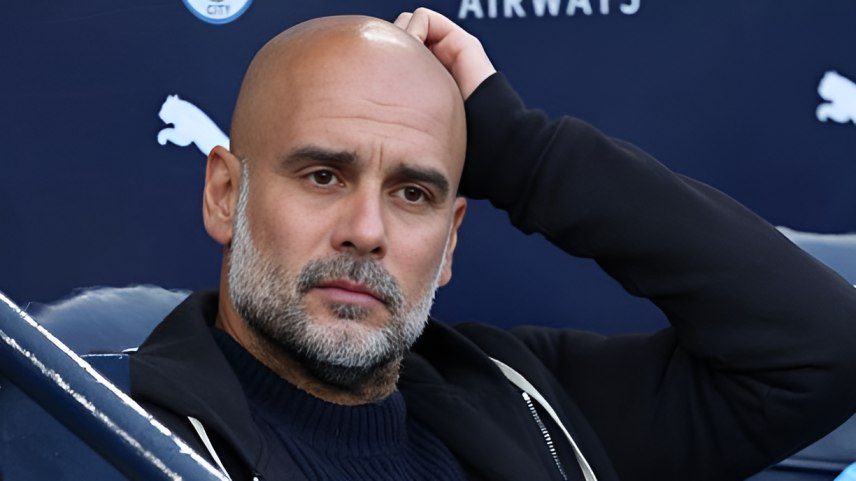
Guardiola walked onto the pitch smiling, the expression of someone who had reclaimed the joy of the game.
Sunday began and ended with applause — not for a player alone but for a manager who has quietly rewritten modern football. On his 1,000th match in charge, Pep Guardiola collected his 716th victory as Manchester City tore through Liverpool at the Etihad, a performance that felt like a ceremonial reset as much as a statement of intent.
A celebration and a reboot
The final whistle unleashed a familiar chant — "We've got, Guardiola..." — a crowd-crafted tribute that acknowledged more than a single win. It recognised the architecture beneath it: a squad in transition, a coach rebuilding with purpose, and a renewed belief that the era of dominance might yet have another peak to climb.
After a season where fatigue and injuries left City looking vulnerable, this felt like the first chapter of a rebooted project aimed squarely at a seventh Premier League crown.
Energy returned, joy regained
Guardiola walked onto the pitch smiling, the expression of someone who had reclaimed the joy of the game. Last season’s dip — City’s first trophyless campaign in eight years — raised questions about whether Pep had peaked. Sunday’s display answered them.
The Spaniard spoke of a "good vibe" since the Club World Cup, and against Liverpool that vibe translated into both fluid passing and a willingness to vary their approach. City can still craft their trademark possession football, but they also have the unpredictability to go long and feed Erling Haaland, blending artistry with blunt force.
Tactical evolution and fresh faces
The opener was retro in its simplicity: a cross, a header, Haaland — the Norwegian continuing his ruthless run with 14 league goals in 11 matches. Yet beneath the nostalgia was evidence of evolution. City have covered more ground than any Premier League side so far this season, and Guardiola has made his team less one-dimensional. "We are more unpredictable in the way we attack and defend," he said, a deliberate warning that opponents can no longer script City’s moves.
Former players noticed the shift. Nedum Onuoha described Guardiola as almost a different manager now, someone who has adapted his relationships with players and his style as the game itself has changed. Michael Brown pointed out newfound pragmatism: City can now hold the ball in corners to see out games or pivot to direct routes to Haaland under pressure — a tactical flexibility that feels both modern and ruthlessly effective
New generation stepping up
Summer departures cleared space for fresh energy. Nico Gonzalez, in for Rodri, grew into a commanding number six; Jeremy Doku and the unheralded Nico O’Reilly provided the spark and defensive steel that stifled Liverpool’s best threats. Bernardo Silva, whom Guardiola singled out, offered the blend of craft and work-rate that underpinned City’s authority on the night. A string of consistent results — one defeat in 14 — suggests the club is regaining the ruthless consistency that delivered six titles in eight years.
City of old, with eyes on tomorrow
This was a reminder of the City that dominated for years: relentless, inventive, and clinical. Yet it was also forward-looking — a team that has accepted change, absorbed new personalities, and emerged with a different tempo. Liverpool, knocked down for now, were outclassed by a side with fresh ideas and renewed hunger.
Guardiola, four points behind the leaders, will savour the applause but not linger. The chant at full-time was as much a charge as it was celebration: the foundations are in place, the energy is back, and Manchester City's latest chapter is only just unfolding.

Comments
Sign in with Google to comment, reply, and like comments.
Continue with Google