
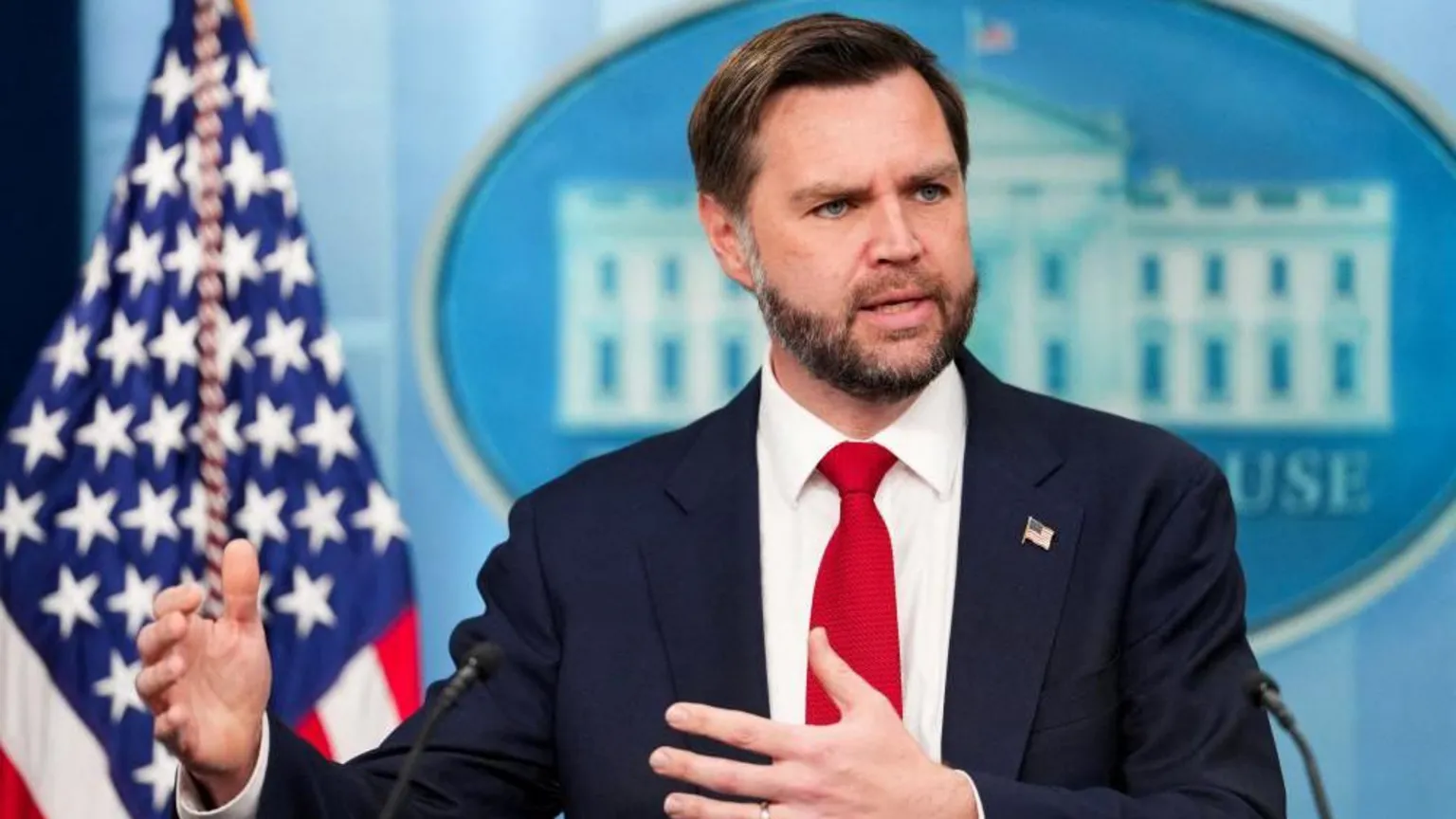
US Vice President JD Vance has blamed the war involving Iran for the Republican Party's sweeping losses in the 2026 midterm elections, saying dissatisfaction with the conflict, rising living costs, and Washington's relationship with Israel drove some Donald Trump supporters to vote for Democrats.
In a statement issued on November 4, 2026, Vance said the Republican Party's defeat stemmed not primarily from poor voter turnout but from a shift in support among Americans who backed Trump and Vance in the 2024 presidential election.
"The real reason we lost is obvious to almost everyone. The reason we lost is the war. The president himself said so last night," Vance said.
His remarks came after Democrats secured control of both the House of Representatives and the Senate in Tuesday's midterm elections, delivering a major setback to Trump's administration and changing the balance of power in Congress.
Vance said Republican data analysts closely monitored voter turnout and the composition of the electorate to determine whether the party was attracting a voting population similar to the one that supported Trump in 2024.
He said the findings initially gave the Republican campaign reason for optimism, with voter participation described as satisfactory in some states and exceptionally strong in others.
"One of the things the data analysts on our side obsessed over was 'composition' — whether the electorate looked close enough to 2024 for Republicans to win," he said.
He cited Florida as an example, saying the electorate was nine percentage points more Republican than Democrat, only slightly below the party's performance in the 2024 presidential election.
However, Vance said discussions with a Republican pollster had revealed that some voters who previously supported Trump were angry with the administration and intended to vote for Democrats.
According to the Vice President, the pollster warned him that Republicans could perform worse than expected, even if their supporters turned out to vote.
"The main problem is not turnout. The main problem is that many people who voted for Trump/Vance in 2024 voted for Democrats in 2026," he said.
Vance said the pollster had asked former Trump supporters what would persuade them to return to the Republican camp. Four issues reportedly dominated their responses.
They included ending the war, prioritising the cost of living and inflation, putting America first and changing the United States' relationship with Israel.
"The top four answers, accounting for nearly all of the responses, were: End the war, Focus on cost of living/inflation, Put America First, Change our relationship to Israel," he said.
He argued that the findings showed Republican supporters had not necessarily stayed away from polling stations but had shifted their political allegiance because they were dissatisfied with the administration's policies.
Vance acknowledged that the party could have performed better in some areas but maintained that turnout was not the central explanation for the defeat.
He also admitted that the Republican Party's economic messaging may not have been sufficiently effective towards the end of the campaign.
"One of the pollsters I really respect told me that our economic messaging wasn't sharp enough down the stretch. I'm sure that's true," he said.
However, he insisted that the war remained the principal reason for the electoral setback.
The United States has been involved in a war with Iran since February, when Trump launched military operations alongside Israel. The conflict has become a major political issue, with disagreements over its justification, duration and economic consequences.
Vance's assessment places the conflict at the centre of the Republican Party's post-election debate, particularly as Democrats prepare to take control of both chambers of Congress.
He also defended Rachel Campos-Duffy, who had faced criticism from some Republicans after calling for a diplomatic resolution to the conflict.
Vance said later developments showed her position was politically sound.
"While many spent Monday attacking Rachel Campos-Duffy for calling for a diplomatic resolution to the conflict, it turns out her political advice was sound," he said.
The Vice President also rejected suggestions that immigration amnesty should be the Republican Party's response to its electoral losses.
He said he was open to changes in immigration enforcement, including targeting businesses employing undocumented workers, but opposed proposals to grant amnesty to undocumented immigrants.
"Anyone pushing amnesty is lying to you," Vance said.
He further challenged Republicans who might seek to avoid discussing the war's contribution to the defeat, saying the party needed an honest assessment of the issues that caused voters to abandon it.
Vance acknowledged that some Republicans could argue that the military campaign was justified despite its political consequences.
"If you'd like to argue it was worth it, that losing the Senate for the next six years was worth it, then do so. Argue it was a worthwhile cost. Agree or disagree, that's at least honest," he said.
The election outcome gives Democrats control of Congress for the remainder of Trump's presidency, potentially complicating the administration's legislative agenda and increasing congressional scrutiny of its policies.
Vance concluded by urging Republicans to use their frustration over the results to rebuild the party and elect leaders who reflect the concerns of their supporters.
Despite the defeat, he expressed optimism about the country's future and called for renewed efforts to address voters' concerns.
"I remain hopeful about our country," he said, urging supporters to channel their anger into rebuilding the Republican Party.