Banks clean up balance sheets as loan defaults fall to two-year low
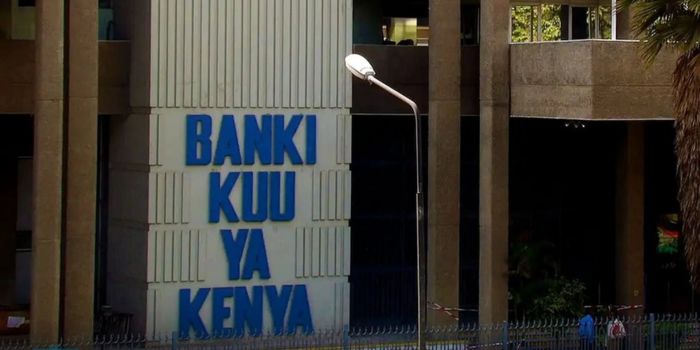
The total banking sector loan book also expanded to Sh4.54 trillion in May, compared to Sh4.15 trillion a year earlier. This growth has been supported by a steady decline in borrowing costs, following pressure on banks to lower lending rat
Kenya’s banking sector is showing early signs of recovery in loan quality, with defaults easing to their lowest level in two years as lenders intensify debt recovery actions and expand credit to borrowers benefiting from lower interest rates.
Figures from the Central Bank of Kenya (CBK) show the ratio of non-performing loans to total lending dropped to 15.3 percent in May, down from 17.5 percent a year earlier. In value terms, bad loans reduced to Sh694.8 billion from Sh728.2 billion over the same period.
The decline has been supported by large-scale write-offs carried out by commercial banks last year. Listed lenders alone removed Sh75.06 billion in bad loans from their books. Banking rules require lenders to write off loans that remain non-performing for more than a year.
At the same time, credit activity has picked up strongly. Lending to the private sector increased by 9.3 percent in May, marking the fastest growth rate recorded in the last two years as borrowing conditions improved.
CBK notes that improved lending has been driven by increased demand from households and businesses, especially those with stronger repayment capacity, helping to improve the overall health of banks’ loan books.
“The ratio of gross non-performing loans (NPLs) to gross loans stood at 15.3 percent in May 2026, down from 15.6 percent in February 2026, and 17.6 percent in August 2025,” the Monetary Policy Committee, the rate-setting arm of CBK, said.
The regulator highlighted that improvements were recorded in sectors such as households, transport and communications, as well as mining and quarrying, which saw reduced levels of default.
The total banking sector loan book also expanded to Sh4.54 trillion in May, compared to Sh4.15 trillion a year earlier. This growth has been supported by a steady decline in borrowing costs, following pressure on banks to lower lending rates.
Average lending rates fell to 14.5 percent in May, down from 17.2 percent recorded in November 2024, making credit more affordable for borrowers.
“Growth in commercial banks’ lending to the private sector improved to 9.3 percent in May 2026, compared to 7.1 percent in April 2026 and negative 2.9 percent in January 2025,” the MPC said, adding; "Growth in credit to key sectors of the economy, particularly trade, building and construction, agriculture, and consumer durables remained strong, reflecting improved demand for credit in line with the decline in lending interest rates.”
Beyond new lending, banks have also stepped up recovery efforts targeting borrowers in default. Actions have included auctioning collateral and pursuing legal recovery channels against individuals and companies failing to meet repayment obligations.
Resolution of long-standing court cases has also contributed to improved loan book performance, with some rulings favouring banks and allowing recovery from major defaulters.
One of the notable cases involved Equity Bank Kenya’s enforcement action against Transcentury Limited and its subsidiary East African Cables Limited.
A cleaner loan book is also allowing banks to reduce provisions set aside for expected losses, a move that directly supports profitability since such provisions are treated as expenses.
Banks are now expected to maintain pressure on borrowers with outstanding loans as part of ongoing efforts to further strengthen asset quality. “For the quarter ending June 30, 2026, banks expect to intensify their credit recovery efforts in nine economic sectors," a CBK report notes.




Comments
Sign in with Google to comment, reply, and like comments.
Continue with Google