Voting halted in parts of Amhara and Tigray as Ethiopia prepares for June 1 polls
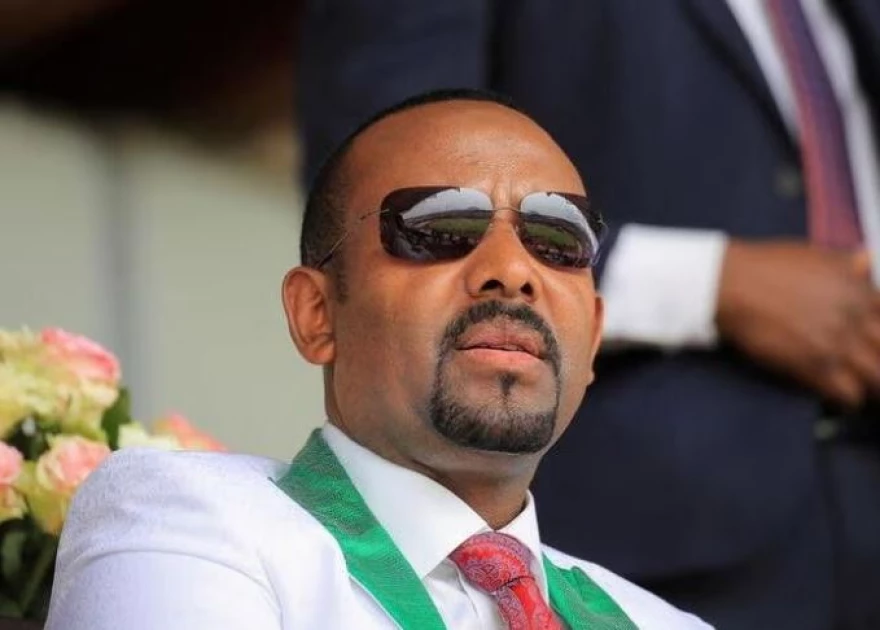
The National Election Board of Ethiopia (said voting will not be conducted in eight of the 138 electoral districts in the northwestern Amhara region due to what it described as "unfavorable conditions" amid clashes between militia groups and the army.
Ethiopia is heading into a general election on June 1, 2026 under a tense political and security atmosphere, after the electoral authority confirmed that voting will not take place in dozens of constituencies in regions hit by conflict and instability, raising concerns over the credibility and inclusivity of the poll.
The National Election Board of Ethiopia (NEBE) announced that elections would be cancelled in 46 electoral districts across the Amhara and Tigray regions, citing insecurity and ongoing political tensions.
The board said voting will not be conducted in eight of the 138 electoral districts in the northwestern Amhara region due to what it described as "unfavorable conditions" amid clashes between militia groups and the army.
It further suspended elections in 38 districts in Tigray, where tensions remain high between the federal government and the Tigray People’s Liberation Front (TPLF).
The exclusions come just days before Ethiopians go to the polls, with more than 130 million citizens expected to be part of the democratic process. Prime Minister Abiy Ahmed’s ruling Prosperity Party (PP) is widely expected to secure a strong victory, even as a divided opposition and ongoing violence in several regions continue to shape the political landscape.
NEBE has reported that more than 50 million people registered to vote, though critics question the figures, arguing that large parts of the country remain too unstable to allow full participation. Conflict continues to affect regions including Amhara, Oromia, Gambella and Tigray, where armed groups remain active and security operations are ongoing.
The 2026 vote is unfolding in the shadow of a civil war that ended in 2022, which killed an estimated 600,000 people and displaced millions across the country. While the formal war ended, instability has persisted in several regions, limiting political activity and weakening the presence of opposition parties in the formal political space.
In Addis Ababa, the capital, authorities have closed major roads, including Meskel Square in the city centre, to host large rallies in support of the ruling party. Opposition parties, however, say they have been prevented from holding similar public gatherings, deepening concerns over fairness in the campaign period.
Tigray remains fully excluded from the election process, with the TPLF, a banned but still influential political force in the region, consolidating its authority. This exclusion, alongside ongoing tensions with the federal government, has raised fears of renewed confrontation and broader instability across the Horn of Africa.
As the country moves closer to election day, the combination of conflict, political restrictions, and regional exclusions continues to cast a shadow over what is expected to be a decisive win for the ruling party.




Comments
Sign in with Google to comment, reply, and like comments.
Continue with Google