Senator Ledama urges flood preparedness amid El Niño warning
Olekina specifically pointed to several areas he said are highly vulnerable, including low-lying towns, river basins, and informal settlements that already struggle with drainage challenges and encroached waterways.
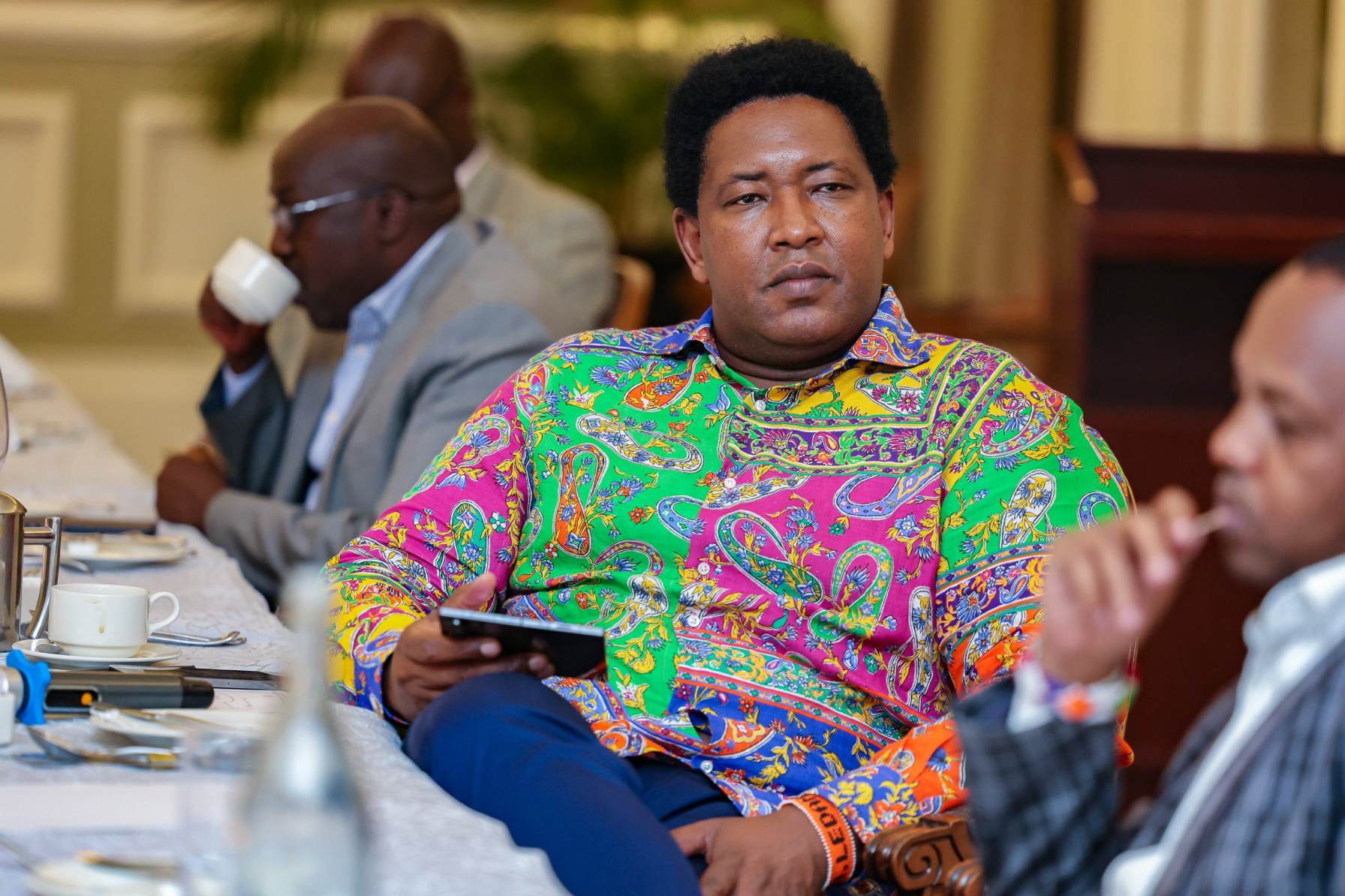
Narok Senator Ledama Olekina has raised concern over Kenya’s readiness for a looming Super El Niño weather pattern, warning that the country risks heavy destruction if urgent mitigation measures are not taken across flood and landslide-prone regions.
He said national attention is currently concentrated on the 2027 general election at the expense of disaster preparedness, leaving many communities exposed to potential climate shocks.
Taking to his official X account on Saturday, May 30, 2026, Olekina said Kenya was heading in the wrong direction, cautioning that weather patterns developing in the Pacific could trigger severe impacts locally if authorities and citizens fail to act early.
“Fellow Kenyans, we are headed in the wrong direction. While we chase the 2027 elections, Super El Niño is building, and we are dangerously unprepared,” Olekina said.
He urged both national and county governments to treat climate preparedness as an urgent priority, arguing that disaster risks do not wait for political timelines and affect all communities without discrimination.
Olekina specifically pointed to several areas he said are highly vulnerable, including low-lying towns, river basins, and informal settlements that already struggle with drainage challenges and encroached waterways.
He listed Nairobi, Kisumu, Mombasa, Tana River, Athi River, Narok, Maasai Mara, parts of Western Kenya, and other landslide-prone regions as areas that could face heightened risk if preventive measures are ignored.
“Nairobi, Kisumu, Mombasa, Tana River, Athi River, Narok, Maasai Mara, Western Kenya, and landslide-hit areas are at risk,” he stated.
The senator warned that blocked drainage systems, poorly maintained infrastructure, and settlement along riverbanks could worsen the impact of heavy rainfall, calling for immediate corrective action before the rains intensify.
He proposed urgent steps including clearing drainage systems, restoring natural waterways, removing structures along riverbanks, and reinforcing bridges to reduce possible damage.
“We must change tact now. Let’s fix our riverbanks, clear encroachments, unblock drains, and reinforce bridges before floods and landslides force the change we refused to make,” he said.
Olekina further argued that prevention would save more lives and resources compared to emergency response after disaster strikes, urging leaders to act before the situation escalates.
His remarks come amid growing global concern over climate patterns, with the World Meteorological Organization warning that an El Niño event is highly likely to develop between May and July 2026.
According to the Global Seasonal Climate Update dated Friday, April 24, 2026, sea-surface temperatures in the equatorial Pacific are rising rapidly after a neutral phase following the 2025–26 La Niña cycle.
The WMO noted that forecasting confidence is high, with climate models aligning on the likelihood of El Niño conditions strengthening in the coming months, potentially lasting between nine and twelve months.
El Niño, a warming phase of the El Niño–Southern Oscillation cycle, is linked to shifts in global weather patterns and often brings heavy rainfall and flooding to parts of East Africa.



Comments
Sign in with Google to comment, reply, and like comments.
Continue with Google