Kenya to roll out digital Education database in two months, says Ruto
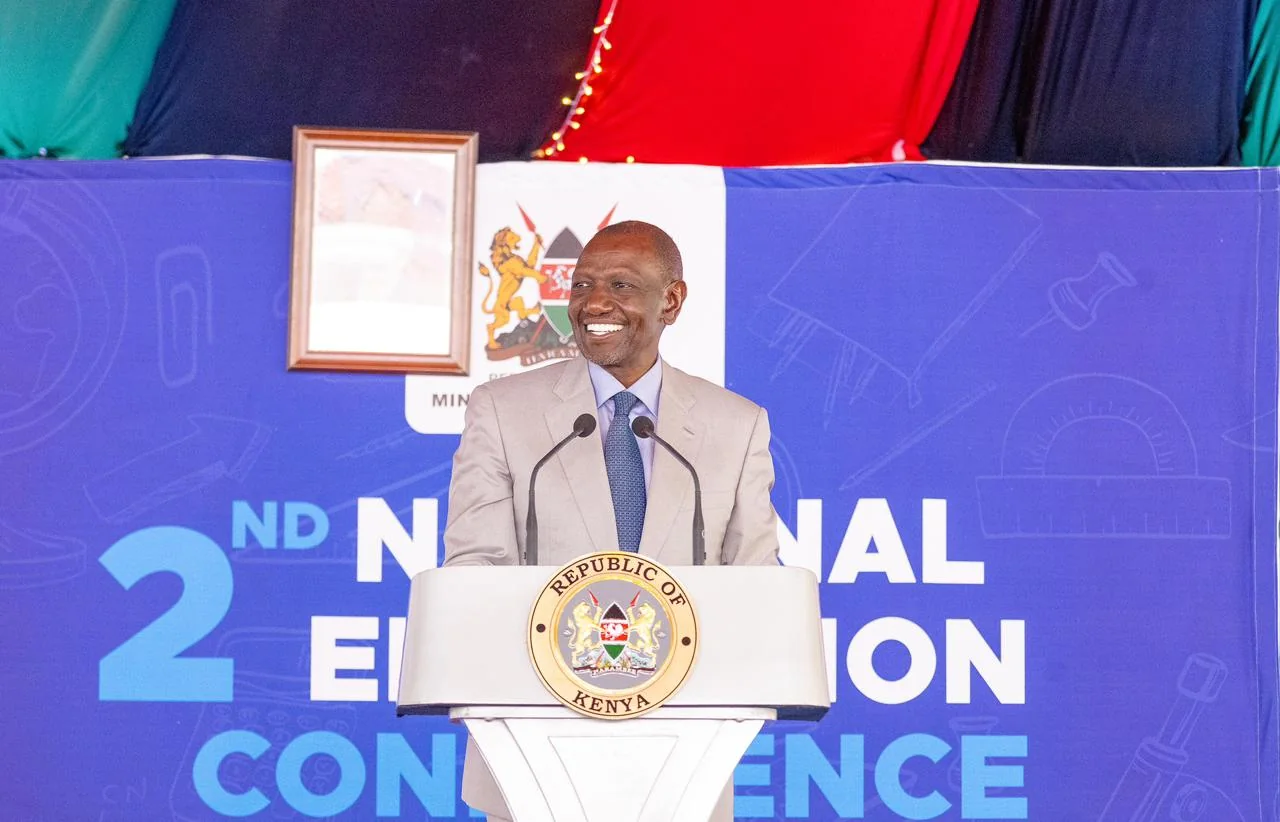
Ruto said the government was determined to seal loopholes that had allowed misuse of education funds for years.
President William Ruto has ordered the digitisation of Kenya’s education sector after a government review uncovered thousands of ghost learners and nearly 200 fake schools that had been receiving capitation funds from the State.
Addressing delegates at the Second National Education Conference in Naivasha, the president said the government would roll out a digital education database within two months to capture records of students, teachers, schools and bursary allocations.
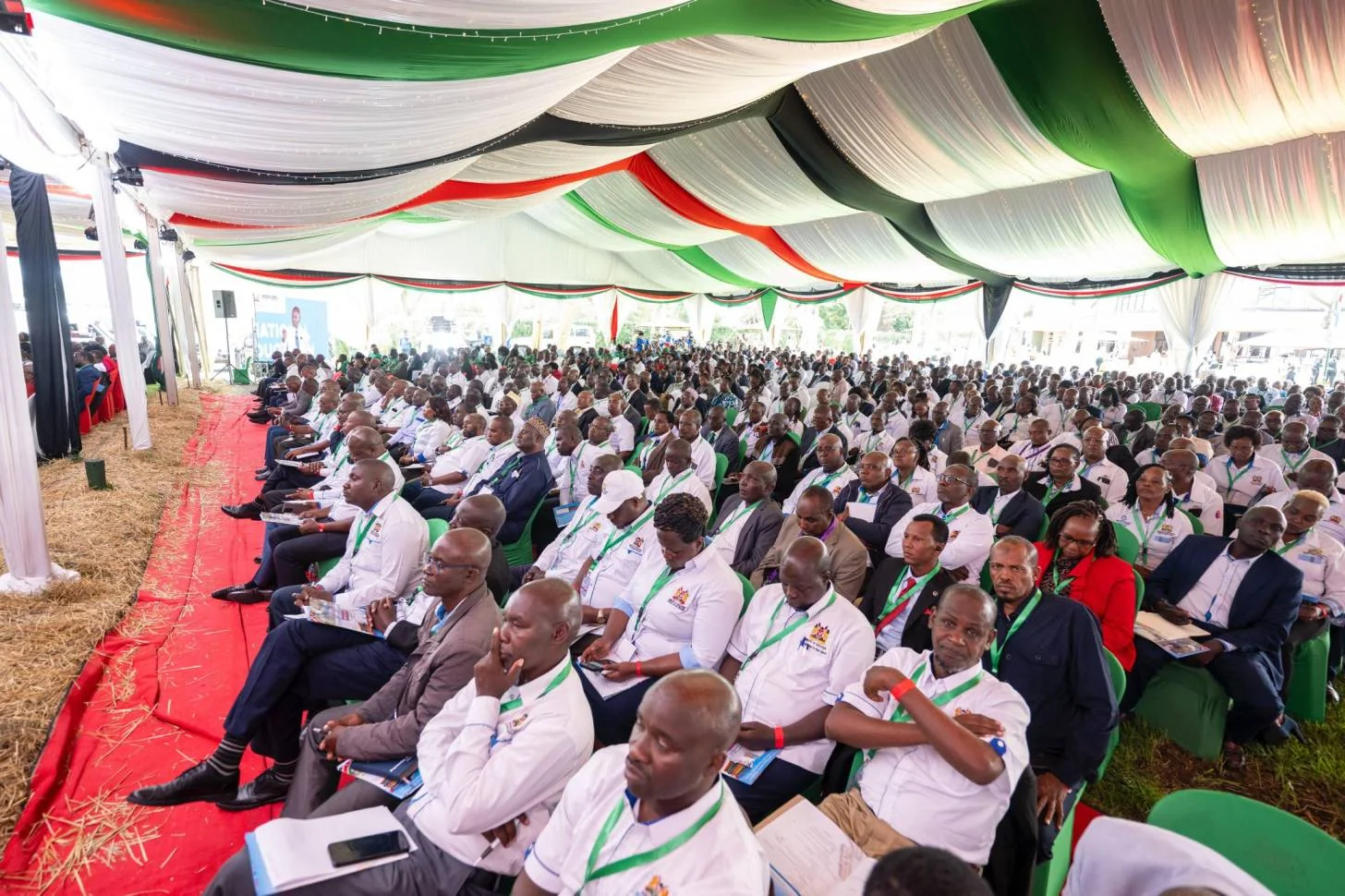 Delegates attending the Second National Education Conference in Nakuru on May 7,2026.PHOTO/PCS
The move follows an audit that exposed major irregularities in the education system, including payments made to learners and institutions that did not exist.
“We got to know that there were 87,000 or thereabout ghost students in our secondary schools, students we were paying capitation for, yet they didn’t exist,” Ruto said.
https://twitter.com/RadioGenKe/status/2052349997258088490
He further disclosed that investigators also discovered “close to 200 schools that did not exist”, even though they were captured in official records and benefiting from public funding.
Ruto said the government was determined to seal loopholes that had allowed misuse of education funds for years.
“We are now moving to the next step,” he said. “In the next two months, we are going to digitize all the education details of every learner, every school, teachers, bursaries and everything else.”
According to the president, the new system will make it easier for the government to monitor school populations, track teachers and identify shortages in learning institutions across the country.
He said digitisation would also support proper planning and ensure public resources are directed to legitimate beneficiaries.
At the same time, Ruto pushed schools to move away from cash payments and adopt digital transaction systems.
“Parents should be able to pay from the comfort of their homes for their children, where we can verify the data, where we can know that this money was paid,” he said.
“We have made a strategic decision that we do not want to deal in cash in this administration, because cash is very sticky.”
The president urged schools to use platforms such as M-PESA and bank transfers, saying digital payments would improve transparency and accountability in school finances.
Ruto said the reforms are part of a wider government strategy to use technology to improve service delivery and curb corruption.
He pointed to reforms in the agriculture sector where digitisation of fertiliser subsidies and farmer registration helped eliminate cartels and improve tracking of government programmes.
The president also defended increased spending on education, noting that the government has continued to increase allocations to the sector over the last three years.
He said funding had grown from about Sh500 billion in 2022 to Sh702 billion in the current financial year, with the allocation expected to rise further to Sh767 billion in the next budget.
Ruto added that the government was continuing with reforms under the Competency-Based Education system through teacher recruitment, construction of classrooms and laboratories, and expansion of technical and vocational institutions.
The digitisation announcement comes months after the Office of the Auditor General flagged widespread irregularities in capitation payments. A special audit found that billions of shillings had been lost through ghost learners and fake schools listed in NEMIS.




Comments
Sign in with Google to comment, reply, and like comments.
Continue with Google