MPs warn of Sh57 billion education funding gap as budget cuts loom
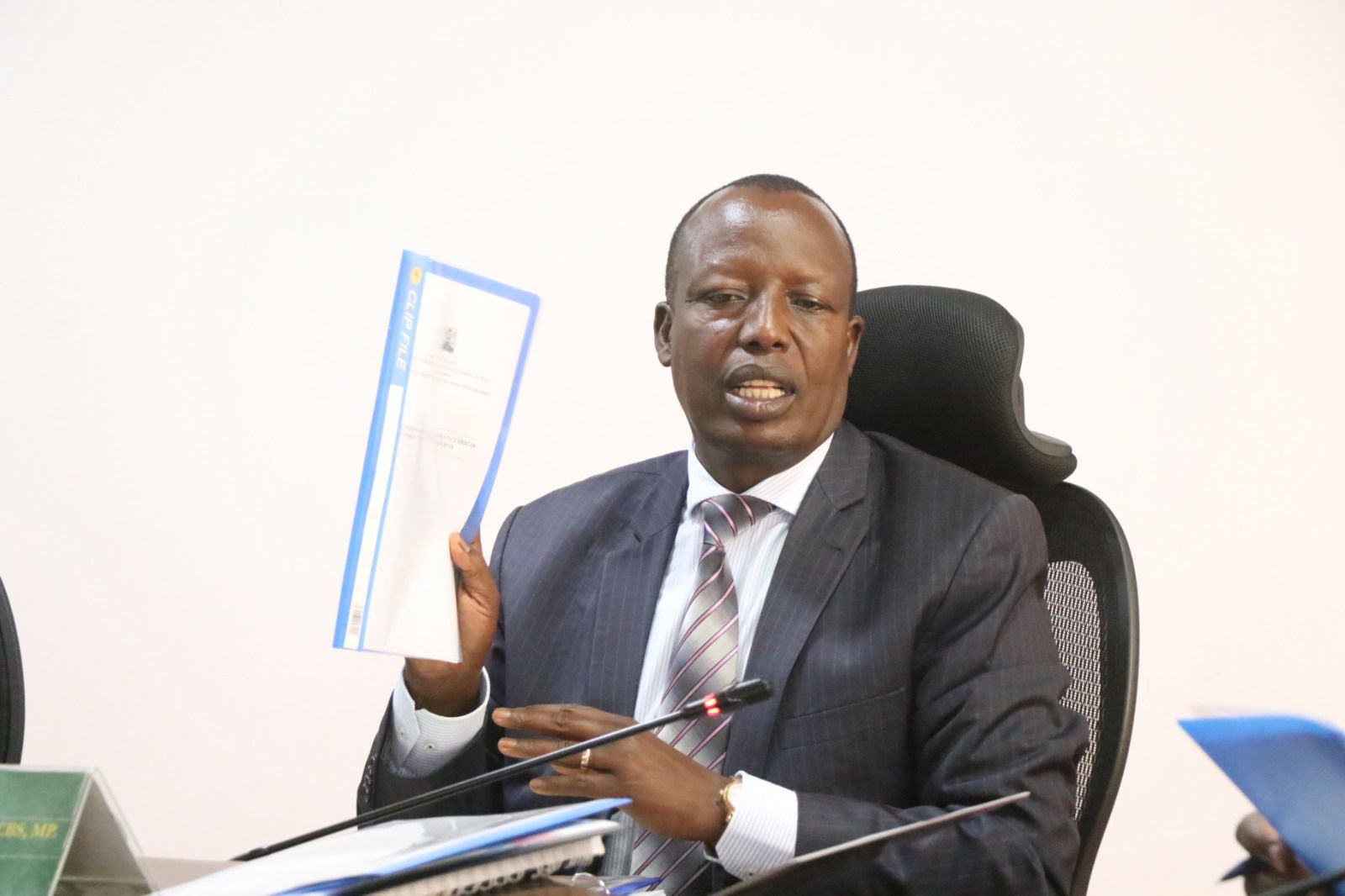
According to papers presented to the committee, primary schools are facing a capitation deficit of Sh8.9 billion, while junior schools and senior secondary schools are each short of Sh27 billion in funding.
Members of the National Assembly Education Committee have warned that schools and universities could face serious disruption after documents revealed a Sh57 billion gap in education funding, with key programmes such as capitation, HELB loans and university support now under pressure from proposed budget cuts.
The lawmakers raised the alarm while appearing before the National Assembly Budget and Appropriations Committee chaired by Alego Usonga MP Samuel Atandi, urging a review of the reductions affecting the sector.
According to papers presented to the committee, primary schools are facing a capitation deficit of Sh8.9 billion, while junior schools and senior secondary schools are each short of Sh27 billion in funding.
The gap now threatens the implementation of the current capitation rates of Sh2,380 for primary schools, Sh15,042 for junior schools and Sh22,244 for senior secondary schools unless adjustments are made.
Education Committee Chairperson Julius Melly told the Budget and Appropriations Committee that the shortages cut across critical areas and would place pressure on learning institutions nationwide.
“The sub-sector has funding gaps in its core areas especially in the provision of capitation. Based on the targeted number of learners and the per capita allocation, the funding gap for capitation in 2026/27 financial year stands at Sh57 billion,” Melly said.
“The underfunding will put a strain on the institutions.”
He added that the proposed reductions mainly affect areas that had already experienced previous budget pressure, calling for additional support to sustain learning and quality assurance programmes.
Higher education has been among the hardest hit, with HELB funding reduced by Sh14 billion. The money will instead be channelled to the State Department for Higher Education for university capitation.
The Universities Fund Board has also had its allocation cut by Sh10 billion, with the funds similarly redirected to support university operations through capitation.
Administrative allocations under secondary and tertiary education headquarters have been reduced by Sh2.3 billion, with the funds now set to support examination invigilation and quality assurance activities.
The committee has further proposed an extra Sh1.5 billion for examinations and invigilation to clear pending bills linked to the 2025 national examinations.
University capitation has also been reduced by Sh90 million, with most institutions losing Sh20 million each. However, Moi University, Technical University of Kenya, Dedan Kimathi University and Jomo Kenyatta University of Agriculture and Technology will face a lower cut of Sh10 million due to higher allocations for fifth and sixth-year students.
Despite the adjustments, Melly acknowledged that the State Department for Higher Education is still struggling with funding pressures under the student-centered model, which has grown from Sh18.4 billion to Sh30.9 billion but remains insufficient.
He also pointed to a rising backlog in universities, noting that pending bills stood at Sh100.3 billion as of March 31, 2026, and had not been factored into the 2026/27 estimates.



Comments
Sign in with Google to comment, reply, and like comments.
Continue with Google