Kenya meat exporters lose Sh1 billion as cargo flights halt Ramadan shipments
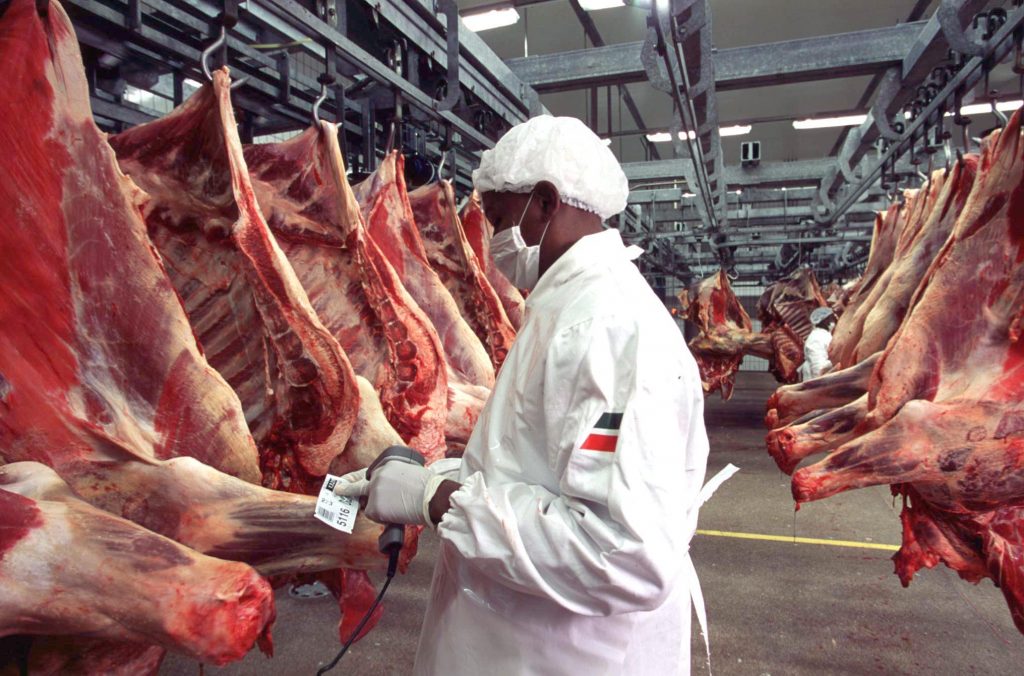
Kenya’s exports of meat to the Middle East typically rise sharply during Ramadan, when demand for fresh products increases across the region, making the timing of the disruption particularly challenging.
Kenya’s meat exporters face losses of about Sh1 billion after cargo flights from Jomo Kenyatta International Airport (JKIA) were grounded for nearly a week, disrupting shipments during a crucial period for Ramadan trade.
The pause in flights forced slaughterhouses and cold storage facilities to hold unsent consignments, while the resumption of cargo operations has come at sharply higher costs.
Exporters say the first flight to carry meat since Saturday, February 28, 2026 departed on Wednesday,March 4, 2026 but transporting goods now involves much steeper charges.
According to the Kenya Meat Livestock Exporters Industry Council, the interruption left businesses struggling to manage inventory and plan production.
“Any meat that we slaughtered on Friday and Saturday has not left the country and we have not been able to slaughter meat from Monday to date,” said Nicholus Ngahu, chief executive of the council.
The council says operations were stalled for almost a week, creating pressure on refrigerated storage and delaying normal business processes.
Kenya’s exports of meat to the Middle East typically rise sharply during Ramadan, when demand for fresh products increases across the region, making the timing of the disruption particularly challenging.
Even as flights have resumed, exporters warn that the higher costs of cargo transport could squeeze profit margins and complicate recovery. The impact is not limited to meat alone; the International Monetary Fund has cautioned that rising tensions in the Middle East could affect Kenya’s export sectors more broadly.
An IMF mission to Kenya highlighted that the conflict may disrupt global shipping routes and raise freight charges. Analysts point to risks linked to the Strait of Hormuz, a key trade and oil corridor connecting the Persian Gulf to global markets.
Iran’s widening confrontations with regional rivals have included threats to disrupt passage through the strait.
Even without a full closure, any rise in shipping insurance premiums or freight costs could increase expenses for exporters. Tea producers are also vulnerable, as Iran has historically been one of Kenya’s largest buyers.
Exports to Tehran fell sharply after the country suspended imports in 2024 due to claims over misrepresented tea shipments and foreign currency issues.
For meat exporters, the immediate priority is clearing the backlog caused by the halted flights. While the resumption of cargo operations provides some relief, higher transport costs and the lost export days are expected to have lasting financial effects.
As Ramadan demand continues, exporters are now working to normalize schedules and manage the consequences of the disruption.




Comments
Sign in with Google to comment, reply, and like comments.
Continue with Google