NTSA: Why cameras and instant fines alone won’t fix Kenya’s public transport
The NTSA chief pointed out that the sector is plagued by disorganization and underinvestment, with workers often employed in unstable conditions. He said the authority is working with transport operators to develop operational and financial models that are sustainable and provide decent employment.
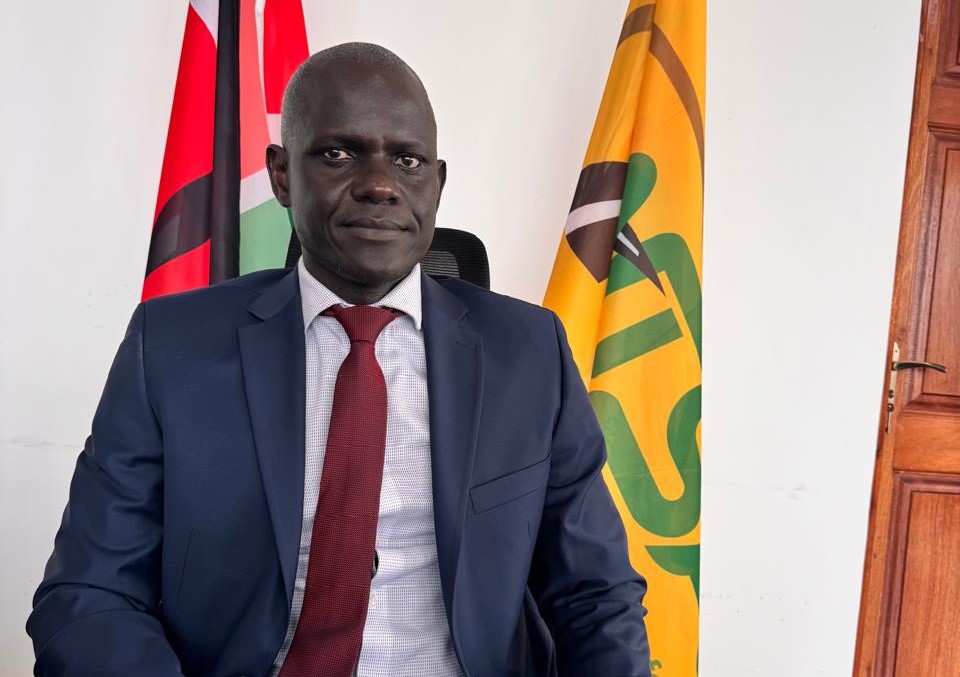
Kenya’s public transport sector faces deep-rooted challenges that cannot be solved by cameras and fines alone, National Transport and Safety Authority (NTSA) Director General Nashon Kondiwa has said. Speaking on NTV on Thursday, he explained that the authority is taking a broader approach to improve road safety and create a more efficient and reliable transport system.
Kondiwa said the NTSA is implementing a “safe systems approach” that combines enforcement, engineering, and education to address structural weaknesses in the sector.
“This idea of hiring people in the morning, giving them targets, is a symptom of a fundamental problem. It’s a fundamental problem of a disorganized public transport. This is something that the cameras cannot fix. This is something the fines cannot fix,” he said.
The NTSA chief pointed out that the sector is plagued by disorganization and underinvestment, with workers often employed in unstable conditions. He said the authority is working with transport operators to develop operational and financial models that are sustainable and provide decent employment.
“As a regulatory industry, it is our job to make sure that the people working in that industry have a predictable income, are better employed, they have better working conditions, and finally, the people that we serve have a decent, reliable, and efficient mode of transport,” Kondiwa added.
The DG emphasized that the safe systems approach also relies on predictable enforcement. Speed limits will vary based on road type, design, and the density of surrounding populations, ranging from 20 km/h in certain areas to 110 km/h on straight dual carriageways.
“Enforcement works if there is certainty. Enforcement works if there is predictability. Enforcement works if it is consistent. The consequences, action versus consequences, must be clearly predictable,” he said.
He added: “From Nairobi to Thika, the maximum you can go is 110, and depending on where you are, it will keep coming down to 100 to 80. The speed signs are there. We are working on replacing ones destroyed by vandalism.”
Kondiwa concluded that reforming Kenya’s public transport system is a long-term effort requiring investment, regulation, and careful planning, with cameras and fines forming only a part of a wider strategy to enhance safety and efficiency.
However, the rollout of NTSA’s Instant Fines Traffic Management System has been temporarily blocked. On March 12, 2026, the Milimani High Court issued a conservatory order following a petition by Sheria Mtaani and Shadrack Wambui. The order restrains NTSA, the State Law Office, and other parties, including KCB Bank Kenya, from issuing, generating, demanding, or enforcing automated traffic fines until the matter is fully heard.
The court has set deadlines for submissions, requiring respondents and interested parties to file their responses by March 20, 2026, and allowing the petitioner to submit a rejoinder by March 27. A mention is scheduled for April 9, 2026, to review compliance and discuss an expedited hearing of the case.




Comments
Sign in with Google to comment, reply, and like comments.
Continue with Google