Orengo questions reliance on presidential favour for county development projects
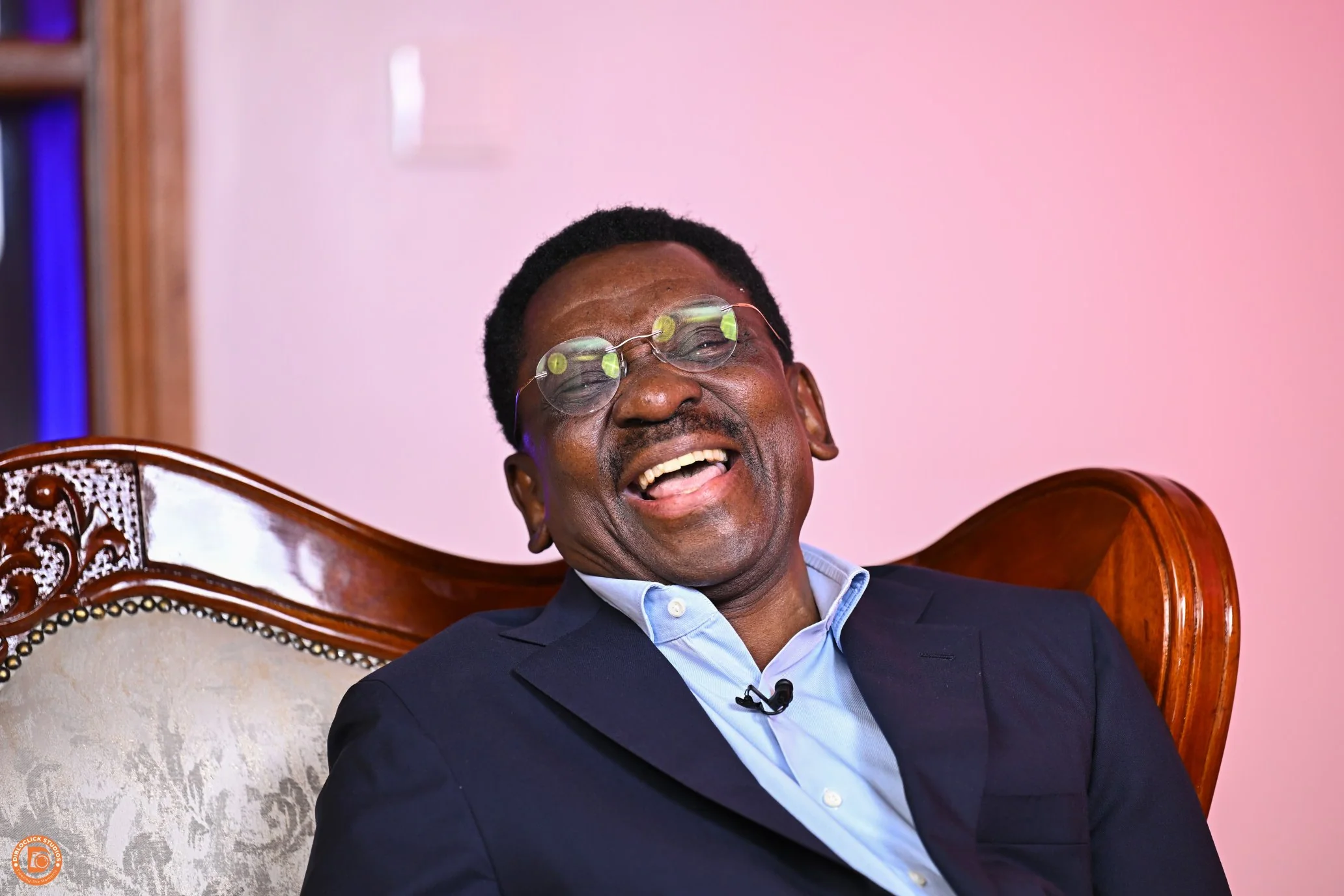
The Governor also raised questions about how some public projects are announced during official events, saying there are cases where projects declared in public do not match what is actually funded in the budget
Siaya Governor James Orengo has questioned what he describes as a growing political habit where leaders rely heavily on presidential favour to secure development projects, saying Kenya already has clear constitutional and budget systems meant to guide fair distribution of resources across all counties.
Speaking during an interview on Obinna Show Live on the night of Friday, Orengo said the Constitution and existing planning structures already provide a firm framework for development planning, and leaders should not treat access to the president as the main route to progress.
He said it is wrong for leaders to assume that development in their areas can only come through direct association with the head of state or political closeness to power.
According to him, Kenya’s devolved system of government and programme-based budgeting were designed to ensure fairness, structure, and transparency in how national development is planned and implemented.
“I think it is a bit stupid for anybody under this new constitution to worship the president the way I see some of my colleagues do or think that it is only the president who can bring development to any county,” Orengo said.
He added that the national budget already contains detailed allocations and project plans, meaning leaders should focus on proper implementation rather than political alignment.
Orengo also raised questions about how some public projects are announced during official events, saying there are cases where projects declared in public do not match what is actually funded in the budget.
“You can look at the budget and determine whether a road is there, but a lot of times when these announcements are being made that a road is going to be built, you go into the budget, and you find there is no money for it,” he stated.
He said this raises concerns about the credibility of some project launches and whether they reflect real financial planning.
The governor further claimed that some infrastructure projects are started with very small budget allocations that are not enough to sustain construction work.
“Sometimes you can find a road which will cost about Sh10 billion, and in the budget there is only Ksh500,000. So he would come, do groundbreaking, and after two weeks, the contractor leaves the site,” Orengo said.
He argued that such situations point to politically driven announcements that do not always translate into actual implementation.
Orengo has in recent months maintained a critical stance on governance issues and political direction under President William Ruto, especially on matters related to development communication and political organisation.
The two leaders have mostly interacted during official functions, including a recent visit by the president to Siaya County during a development tour where Orengo received him alongside other leaders.
They were last publicly seen together in Siaya on Tuesday, March 24, 2026.
In an earlier interview on K24 TV on Wednesday, May 6, 2026, Orengo revisited past discussions with Ruto, pointing to long-standing differences in political thinking, especially on how parties and coalitions should operate.
“I have explained to Ruto himself when I sat with him, even before matters of a broad-based arrangement had begun. I told him, first of all, do not break up parties, because I had already seen the parties that had entered the Kenya Kwanza coalition, such as Mudavadi,” Orengo said, referring to Musalia Mudavadi’s Amani National Congress (ANC), which later merged into UDA.
“I told him we fought people like Kenneth Matiba; he should do everything possible to ensure we protect these parties, but it is as if he did not hear.”
He said these differences reflect deeper disagreements on how democracy, political competition, and governance should be managed in the country.




Comments
Sign in with Google to comment, reply, and like comments.
Continue with Google