Government shake-up in Senegal as Faye sacks cabinet and ends Sonko’s tenure as PM
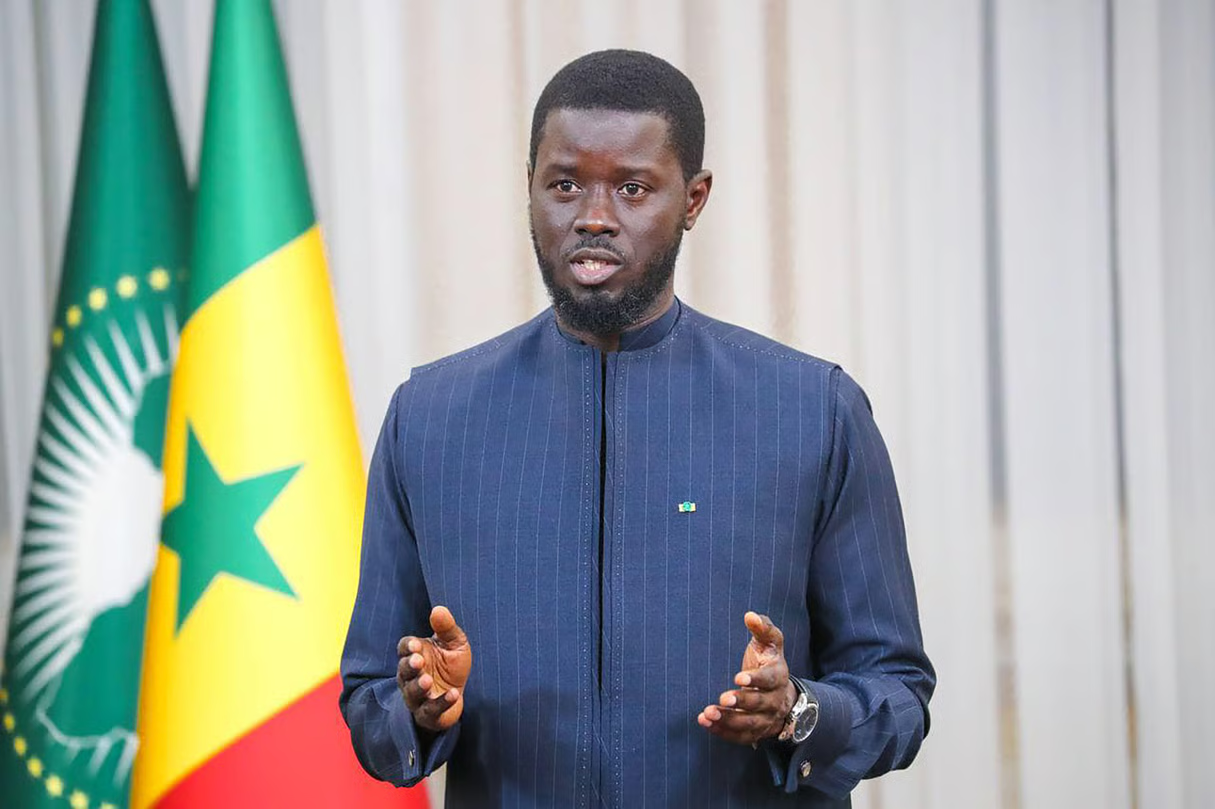
The split ends a high-profile partnership between Faye and Sonko, two former tax officials who once stood at the center of an anti-establishment wave.
The alliance that carried Senegal’s current leadership to power has fractured, after President Bassirou Diomaye Faye dismissed Prime Minister Ousmane Sonko and dissolved the cabinet, a decision that marks a turning point in the country’s political and economic direction.
The announcement was made through a statement read on state media by Oumar Samba Ba, secretary-general of the presidency, confirming that all ministers had been removed and directed to continue handling day-to-day government duties during the transition.
The split ends a high-profile partnership between Faye and Sonko, two former tax officials who once stood at the center of an anti-establishment wave. Sonko, a popular opposition leader with strong youth backing, had supported Faye in the 2024 election after being barred from running, helping secure a win that brought both men into key leadership roles.
After the dismissal, Sonko posted on social media, saying: “Tonight I will sleep with a light heart in the Keur Gorgui neighbourhood.”
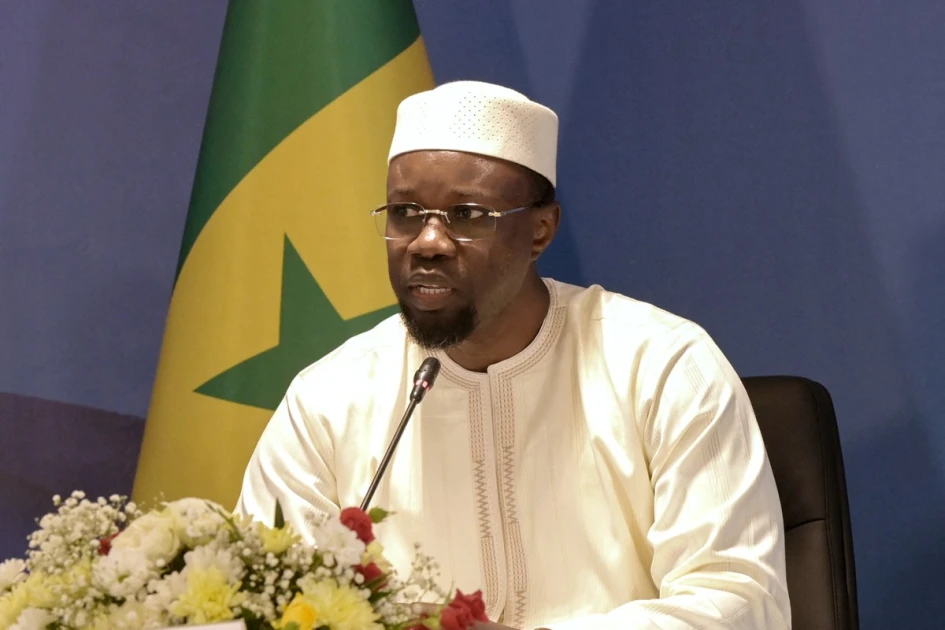 Senegal's Prime Minister Ousmane Sonko speaks during a press conference to present the governments economic action plan, in Dakar, on September 26, 2024.PHOTO/AFP
The political shake-up comes as Senegal faces growing financial strain. The International Monetary Fund froze a $1.8 billion lending programme after uncovering misreported debt data, pushing national debt levels to about 132% of economic output by the end of 2024.
Finance Minister Cheikh Diba told parliament that negotiations with the IMF are expected to restart in the week of June 8, with a target of reaching agreement on key terms by June 30.
He warned that fuel subsidy costs could rise sharply, potentially exceeding the 2026 budget allocation by up to 1.15 trillion CFA francs, equivalent to about $2 billion, if oil prices reach $115 per barrel. He added that Sonko had rejected a proposal to increase fuel prices.
The disagreement between Faye and Sonko has largely centered on debt strategy, with Sonko opposing restructuring plans tied to IMF conditions while Faye has avoided direct confrontation on the issue.
Sonko’s removal has now opened uncertainty over his political future. Earlier in March, he suggested he could withdraw his Pastef party from government if Faye moved away from its core agenda, signalling widening divisions within the leadership.
Pastef still holds strong influence in parliament, a factor that could slow reforms needed to restore IMF support and stabilize the economy.
Beyond politics, Sonko has been a leading voice in calls to renegotiate Senegal’s oil and gas contracts. He criticized a BP agreement linked to the Greater Tortue Ahmeyim project and revoked several mining licences, arguing that changes were necessary to reduce energy costs and improve state revenue.
Faye and Sonko’s partnership had emerged from a period of political unrest under former president Macky Sall, when delayed elections triggered protests. Both men were jailed before the 2024 vote but later released, with Faye going on to win the presidency.
The latest developments now place Senegal at a crossroads, with leadership tensions adding pressure to already fragile economic talks.



Comments
Sign in with Google to comment, reply, and like comments.
Continue with Google