Drought, displacement push millions to brink in Somalia and Ethiopia
According to humanitarian medical organization Médecins Sans Frontières (MSF), nearly one in four people in Somalia are now experiencing acute food insecurity following four consecutive failed rainy seasons that devastated crops, livestock, and water sources.
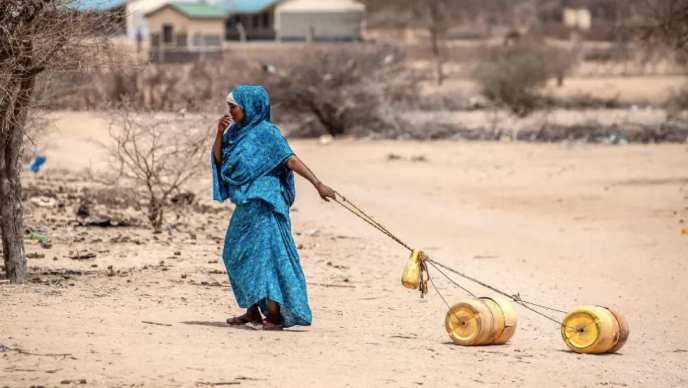
A worsening drought crisis across Somalia and Ethiopia’s Somali region has left millions facing severe hunger, displacement, and water shortages.
According to humanitarian medical organization Médecins Sans Frontières (MSF), nearly one in four people in Somalia are now experiencing acute food insecurity following four consecutive failed rainy seasons that devastated crops, livestock, and water sources.
The crisis has particularly affected pastoralist and farming communities in Somalia’s Mudug, Bay, and Puntland regions, as well as Ethiopia’s Somali region bordering Somalia.
Somalia’s federal government declared a national drought emergency in November 2025 after worsening climate conditions pushed more than 6.5 million people into severe hunger. Over two million people are currently classified under IPC Phase 4 — indicating emergency levels of food insecurity associated with extreme hunger and heightened risks of malnutrition and death.
Humanitarian agencies further estimate that more than 1.8 million Somali children under the age of five could suffer acute malnutrition this year.
The United Nations estimates that approximately 3.3 million people are internally displaced across Somalia due to drought and conflict, while thousands have crossed into Ethiopia searching for water and humanitarian assistance.
MSF warned that worsening water shortages are increasing the risk of disease outbreaks, particularly in overcrowded displacement settlements where residents rely on unsafe water sources.
In Ethiopia’s Somali region, particularly Afder and Shebelle zones, communities are also reporting massive livestock losses, declining food supplies, and rising competition over scarce water resources.
MSF said Somalia’s 2026 Humanitarian Needs and Response Plan is currently funded at only 10.9 percent, while the World Food Programme has significantly reduced emergency food assistance, leaving only one in seven Somalis needing aid currently receiving support.
The organization also linked the deteriorating humanitarian response to rising fuel prices and supply chain disruptions associated with the ongoing conflict in the Middle East.
In Puntland alone, more than 70 health facilities have reportedly closed due to funding shortages, while over 300,000 people have lost access to safe water.
Despite the challenges, MSF says it has continued emergency interventions in Somalia since December 2025, distributing millions of gallons of clean water to drought-affected communities and providing nutrition, sanitation, and hygiene services in displacement camps.
Humanitarian agencies are now urging the international community and donor governments to urgently increase support before conditions deteriorate further.
“What we are witnessing exceeds what any single organization can address alone,” said Mohammed Omar, MSF’s head of programs in Somalia. “Resources are not keeping pace with the growing needs.”
The recurrent droughts threaten livelihoods, food production, and regional stability of the Horn of Africa.




Comments
Sign in with Google to comment, reply, and like comments.
Continue with Google