DP Kindiki warns against looting and violent protests amid Kenya’s fuel price pressure
He said government interventions had cushioned consumers and announced stakeholder talks led by President William Ruto’s appointees. He warned that demonstrations, looting, and anarchy cannot resolve the fuel crisis affecting households and industries nationwide.
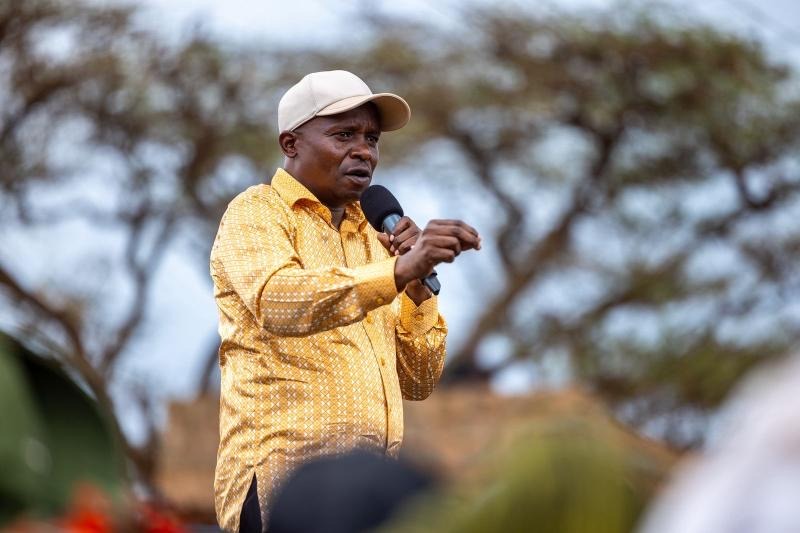
DP Kithure Kindiki has urged Kenyans to avoid violence and economic sabotage amid rising fuel prices linked to global conflict involving Iran.
He said government interventions had cushioned consumers and announced stakeholder talks led by President William Ruto’s appointees. He warned that demonstrations, looting, and anarchy cannot resolve the fuel crisis affecting households and industries nationwide.
Speaking during a consultative forum with grassroots leaders from Tharaka Constituency at his Irunduni rural home in Tharaka-Nithi County on Monday, the Deputy President said the government is actively engaging stakeholders to address rising petroleum costs.
The DP noted that President William Ruto, who is currently in Azerbaijan, had directed a high-level team comprising Cabinet Secretaries John Mbadi, Davis Chirchir, Opiyo Wandayi and Kipchumba Murkomen to convene consultations with key stakeholders, including owners and operators of public transport vehicles, manufacturers, and other users of petroleum products.
The meetings, he said, are aimed at identifying practical solutions to the fuel price challenge, which the government attributes largely to global market disruptions.
“Economic sabotage, looting and violent protests cannot resolve the fuel prices challenge,” DP Kindiki stressed, warning against demonstrations that he said could destabilise the economy.
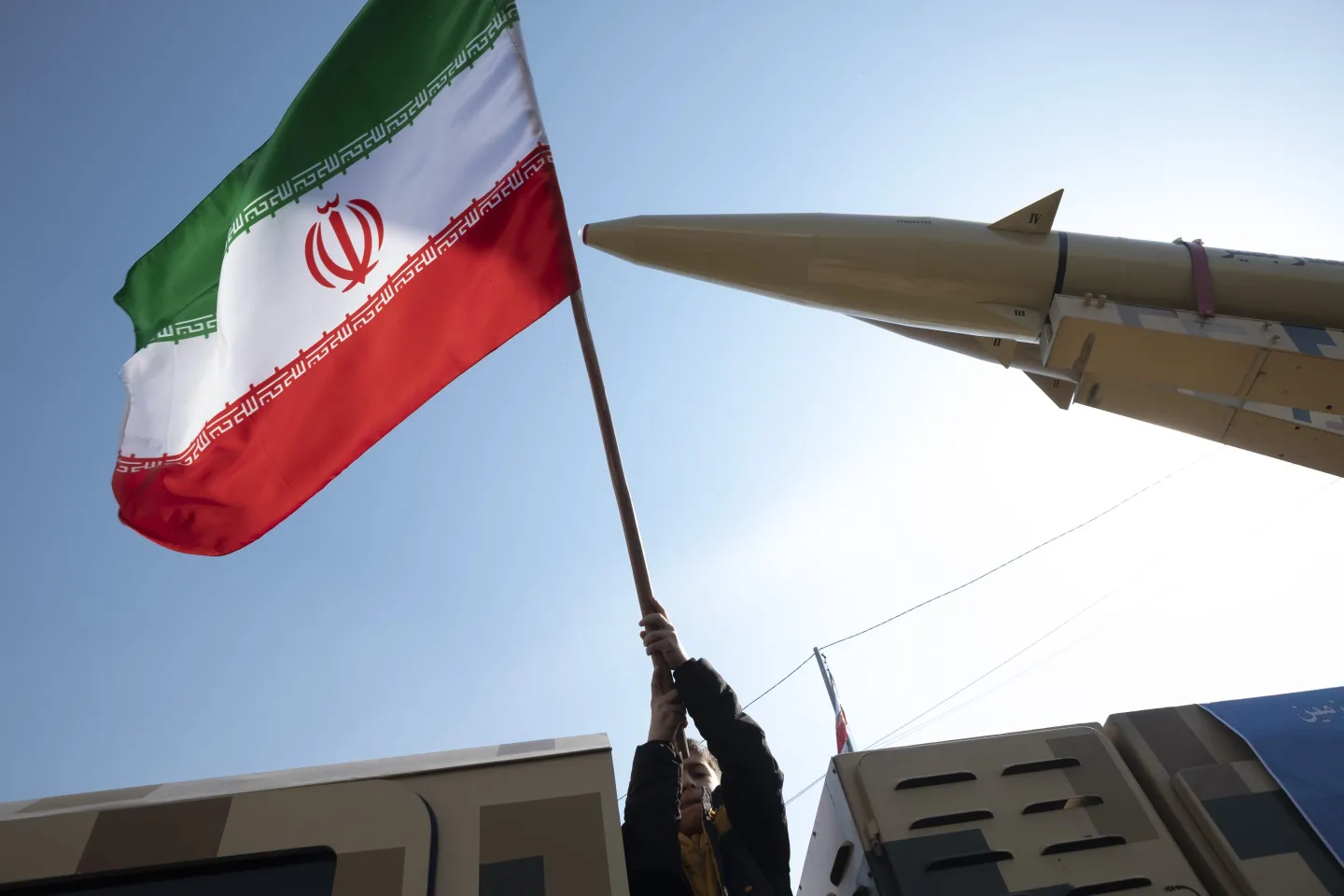
Kindiki's remarks come amid Kenya’s current fuel crisis, which traces back to global oil market disruptions intensified by geopolitical tensions, including the Iran-related conflict cited by government officials.
Locally, prices rose sharply after earlier reductions from about Sh218 per litre of petrol to around Sh171, before climbing again in recent adjustments, triggering public concern.
Diesel and kerosene have also fluctuated, with retail prices in some regions nearing or exceeding Sh200 per litre. The increases have sparked protests over rising transport and living costs.
The DP added that the current fuel price pressures were not unique to Kenya, linking them to international developments.
“The fuel crisis was a global challenge affecting economies across the world and should not be politicised,” he said, citing ongoing geopolitical tensions involving Iran as a contributing factor.
According to the Deputy President, Kenya had previously made gains in reducing fuel prices before external shocks reversed some of those improvements.
“Through deliberate and innovative strategies, the Government, through the leadership of President William Ruto, had lowered the cost of fuel from Sh218 per litre to Sh171 per litre before the war situation erupted in Iran a few weeks ago,” he stated.
He challenged critics of the government’s handling of the situation to compare Kenya’s experience with other countries facing similar pressures.
“I want to challenge the critics of this government to look Kenyans in the eye and show us which country in the world has not had fuel prices increasing. This is a global challenge. It is not a Kenyan issue. We must all be truthful,” he added.
Prof Kindiki explained that the government had introduced several measures to cushion citizens from rising costs, insisting that interventions had helped prevent even higher prices.
“We are doing everything possible to cushion Kenyans from the effects of high fuel costs and will continue to do more,” he noted.
He further explained that fiscal measures, including tax adjustments and stabilisation funding, had been used to moderate fuel prices.
“If the government had not made the interventions, the price of fuel per litre would have shot to between Sh300 and Sh400. So far, we have reduced VAT on petroleum products from 16 percent to 8 percent. We have also injected a lot of money into the stabilisation fund,” he expressed.
While acknowledging the constitutional right of citizens to express concerns, he cautioned against actions that could damage the economy.
“It is unpatriotic for anyone, in pursuit of political capital, to incite Kenyans to engage in acts of economic sabotage in the guise of pushing for lower fuel prices,” he said.
“Demonstrations, violent protests, looting and anarchy cannot resolve the fuel cost challenge.”
He warned that instability could worsen economic pressures at a time when the country is already under strain.
“We cannot allow criminals to take our country hostage and sabotage the economy through violent protests, anarchy, and looting. Our country is superior to all other interests,” DP stated.
The Deputy President also announced a Sh350 billion National Infrastructure Fund, which he said will finance water, energy, and infrastructure projects, particularly in arid and semi-arid regions such as Tharaka, starting next year.



Comments
Sign in with Google to comment, reply, and like comments.
Continue with Google