Mbadi blames Middle East war for fuel price hikes, calls matatu strike ‘uncalled for’
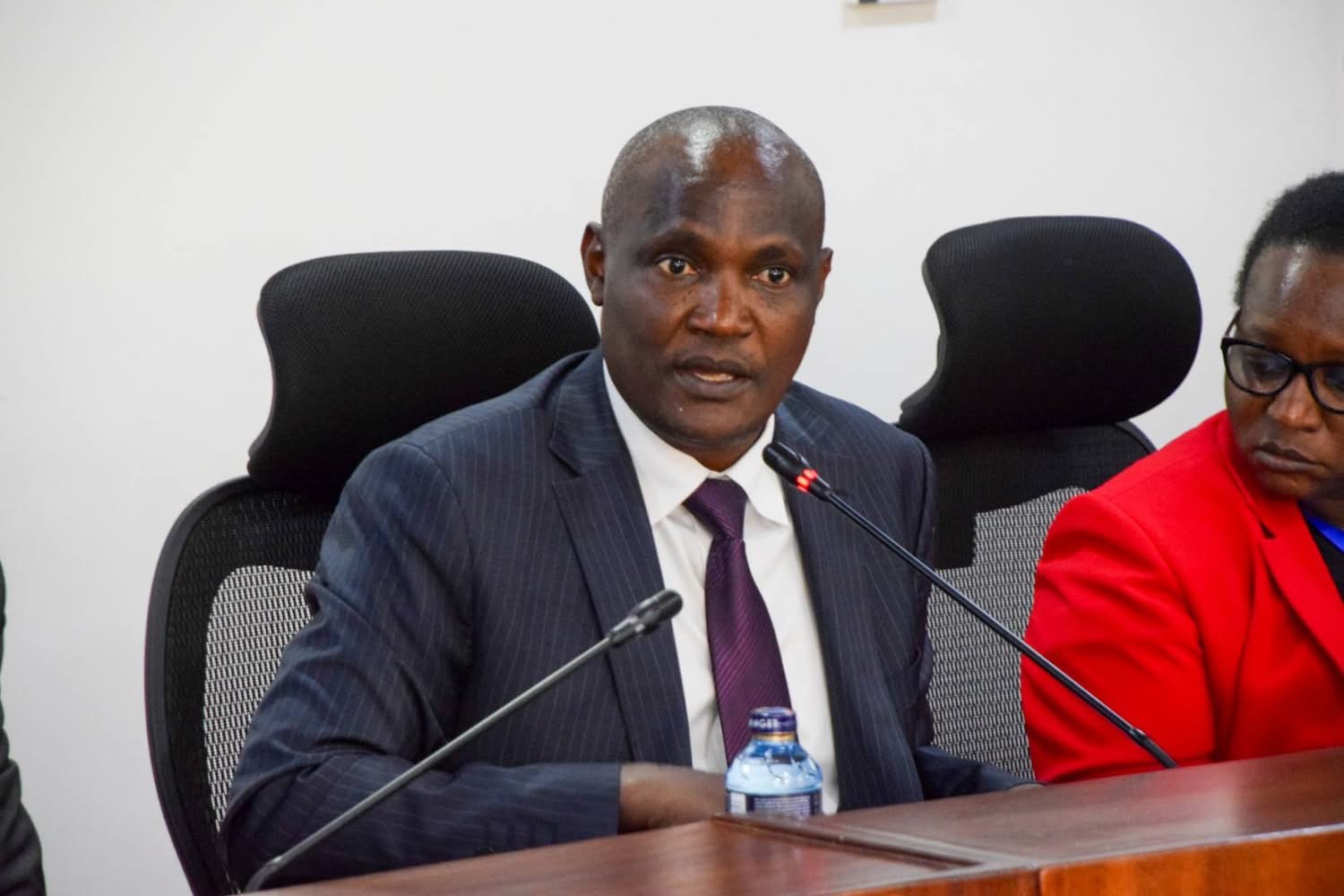
Speaking on NTV Kenya on Monday, Mbadi said the government had already spent about Sh35 billion through fuel subsidies and tax reductions to cushion consumers from rising petroleum prices.
Treasury Cabinet Secretary John Mbadi has defended the government’s response to soaring fuel prices, saying Kenya is grappling with a global crisis triggered by the ongoing Middle East conflict and warning that further subsidies could strain the country’s fragile budget.
Speaking on NTV Kenya on Monday, Mbadi said the government had already spent about Sh35 billion through fuel subsidies and tax reductions to cushion consumers from rising petroleum prices.
He insisted that while Kenyans were suffering, the government had to balance relief measures against wider economic stability.
“What we are seeing is a bit unfortunate. The prices have gone high, that’s a fact. And it is really hurting,” Mbadi said. “This is a war that we have not caused, but because we do not have the ability to stop it, it has to hit our economy.”
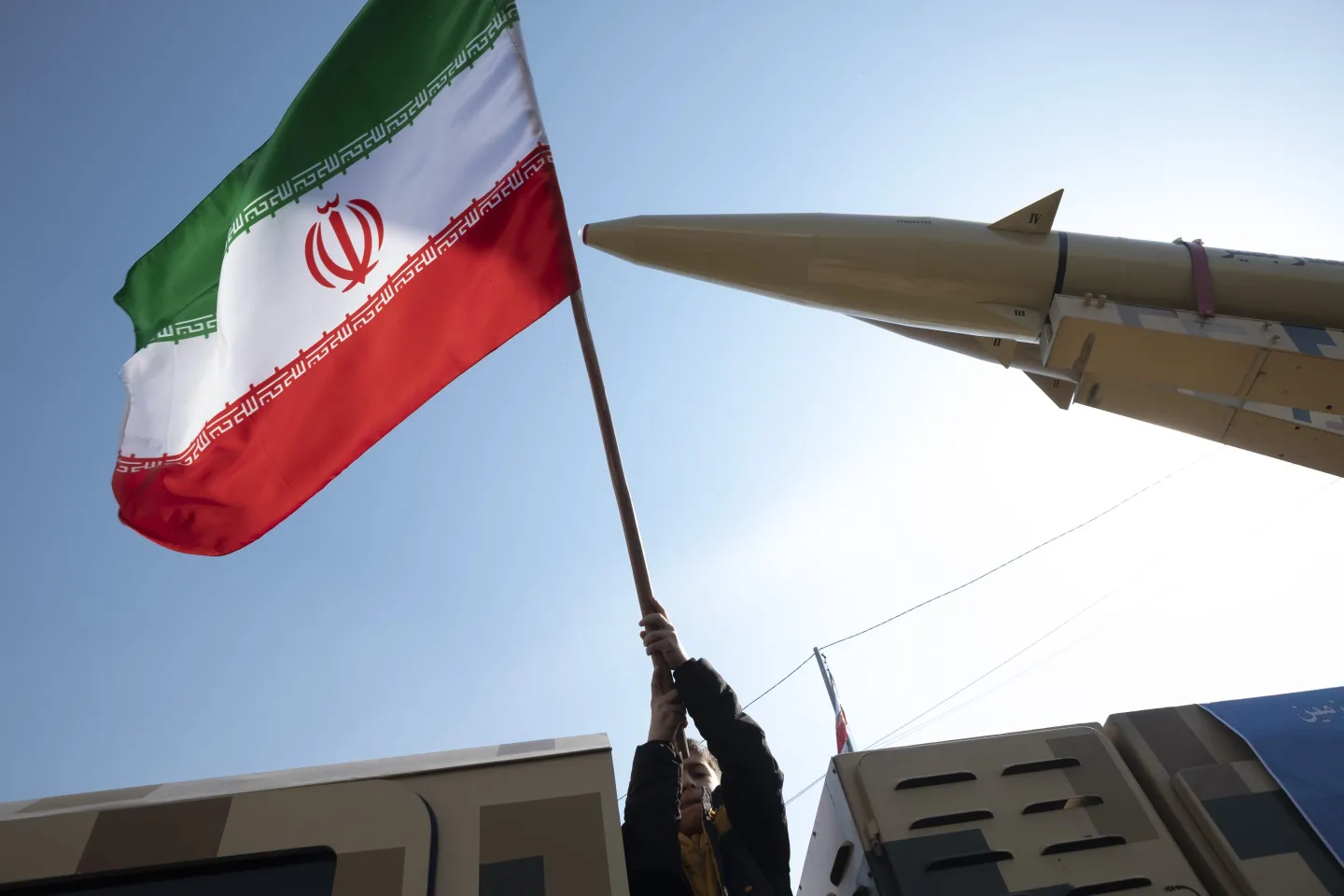
Mbadi linked the fuel crisis to the ongoing US, Israel-Iran conflict, saying global oil markets had been severely disrupted since the outbreak of the war in February.
He noted that the international price of diesel had risen by 76 per cent, from 642 dollars per metric tonne to 1,120 dollars, forcing governments worldwide to intervene.
According to the Treasury CS, Kenya had already absorbed a significant portion of the price increases through tax cuts and subsidies. He said the government reduced VAT on petroleum products from 16 per cent to 8 per cent, costing the exchequer about Sh12 billion every month.
“We have reduced VAT on petroleum products from 16 to 8 per cent. That is a loss of at least Sh12 billion per month,” he said. “Add that to the fuel subsidy, and the government has already spent about Sh35 billion in two months.”
Mbadi argued that without the interventions, fuel prices would have been significantly higher.
“If we were to leave the prices without intervention, diesel would be costing not less than Sh35 more, and petrol would be over Sh70 higher,” he said.
He, however, dismissed calls for immediate additional subsidies, warning that government spending was already constrained by debt repayment obligations, salaries, county allocations and development commitments.
“You cannot stop paying salaries, you cannot stop transferring money to counties, and you cannot stop paying debts,” he said. “This is not the time to make emotional decisions.”
Mbadi also criticised the ongoing nationwide matatu strike over fuel prices, describing it as “completely uncalled for” and warning that it risked worsening the country’s economic difficulties.
“The strike is completely uncalled for because now the economy is going to be hit further,” he said. “We need to find solutions based on facts and objectively instead of politicising the issue.”
His remarks came as commuters across the country remain stranded as matatu operators withdraw services in protest against the latest fuel price hikes announced by the Energy and Petroleum Regulatory Authority on May 14.
Major bus termini in Nairobi remained deserted on Monday morning, forcing thousands of workers and students to walk long distances or seek costly alternative transport.
Transport sector groups backing the strike have demanded lower fuel prices, removal of some levies and fresh government intervention to cushion operators and consumers from the rising cost of fuel.



Comments
Sign in with Google to comment, reply, and like comments.
Continue with Google