Kenya debt load strains salaries, counties and education funding, expert warns
Data from the Public Debt Management Office shows that Kenya’s total public debt stands at about Sh12.32 trillion, with the debt-to-GDP ratio at 65.7 per cent.
Rising public debt in Kenya is now placing pressure on key government spending areas, including salaries, county funding and education, as concerns grow over widening fiscal gaps driven by weak revenue collection and increasing borrowing needs.
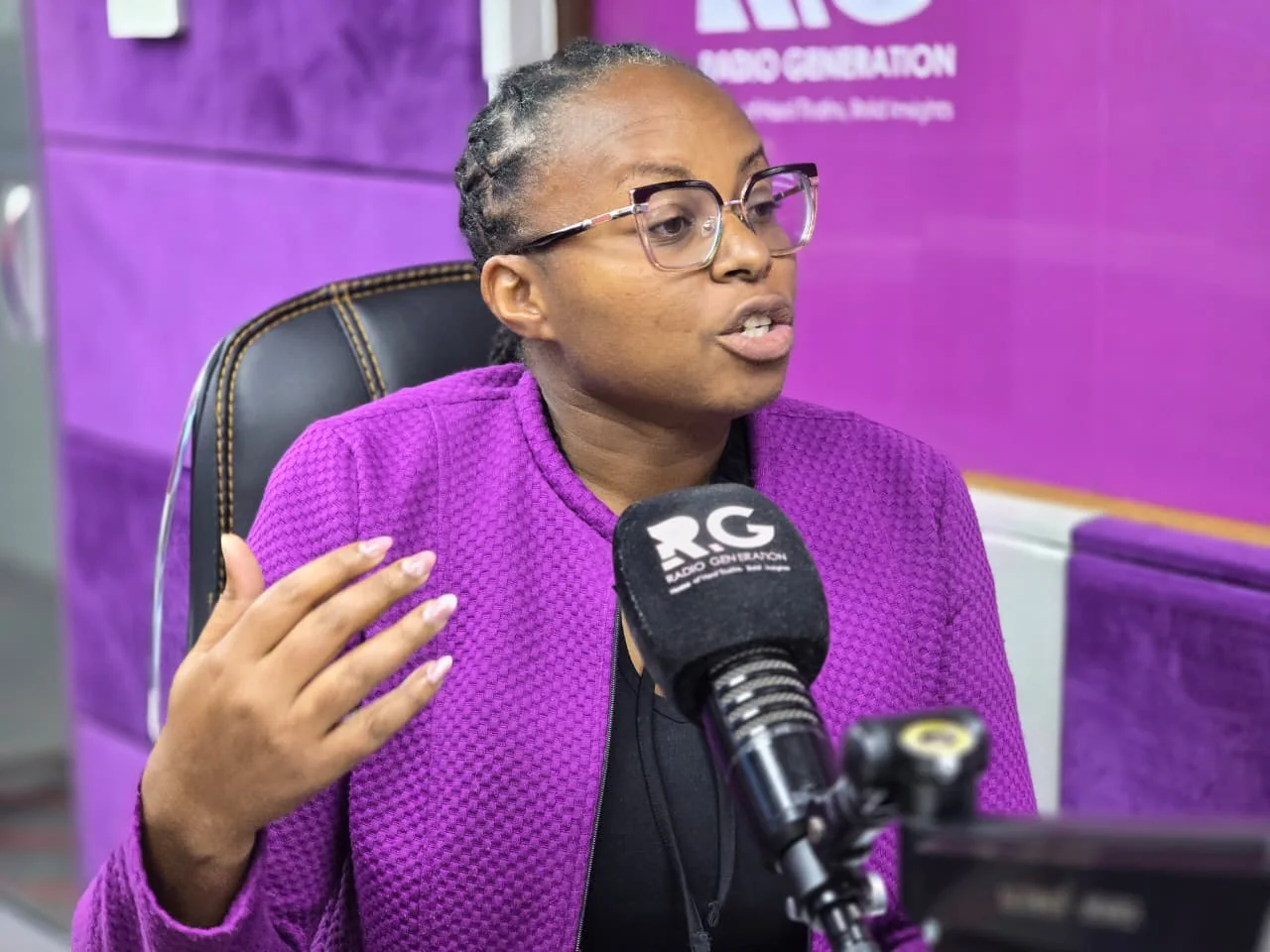
Policy officer Catherine Mithia of the African Forum and Network on Debt and Development says the government has continued to rely on borrowing because revenue targets have consistently fallen short, leaving budget holes that must be filled through loans.
Speaking during an interview on Radio Generation on Tuesday, she said persistent shortfalls in domestic revenue have left the state with limited options.
“Kenya definitely has a budget deficit challenge,” she said. “Over the last 10 years or so, it has not been able to sustain its revenue target, and this has always made it have to borrow to fill up the fiscal gap to service government requirements.”
She added that the growing debt stock, now estimated at more than Sh12 trillion, is putting pressure on public finances, especially through rising debt repayment costs.
Data from the Public Debt Management Office shows that Kenya’s total public debt stands at about Sh12.32 trillion, with the debt-to-GDP ratio at 65.7 per cent.
Mithia said the country has gone beyond key debt limits, warning that legal thresholds under the debt framework are being exceeded.
“According to the Constitution, you’re supposed to have 55 per cent debt-to-GDP ratio, but currently we’re at above 70 per cent,” she said. “It means we are continuously breaking the legal requirements of our debt management framework.”
She pointed to gaps between government spending plans and actual revenue collection as a major driver of repeated borrowing.
“The projections do not go hand in hand with the budget requirements,” Mithia said. “When it comes to the real revenue collection, it always finds itself with deficits.”
She also raised concern over high borrowing costs faced by African countries in global markets, saying interest rates remain much higher compared to wealthier economies.
“If it’s a Eurobond, African countries borrow at least two to four per cent higher than most countries,” she said, linking the trend to global credit rating systems and economic shocks including Covid-19, oil price volatility, and the Ukraine-Russia war.
Mithia further said structural imbalances in the global financial system continue to trap African economies in cycles of debt dependency.
“This system has perpetuated a debt dependency process,” she said. “We continue to be categorized as low income because we are dependent on foreign exchange revenues to support our trade.”
She called for stronger debt management systems, improved revenue collection, and reduced reliance on expensive commercial borrowing as the country works to stabilize its fiscal position.



Comments
Sign in with Google to comment, reply, and like comments.
Continue with Google