UoN students face housing crisis as UNSA President raises alarm over welfare challenges
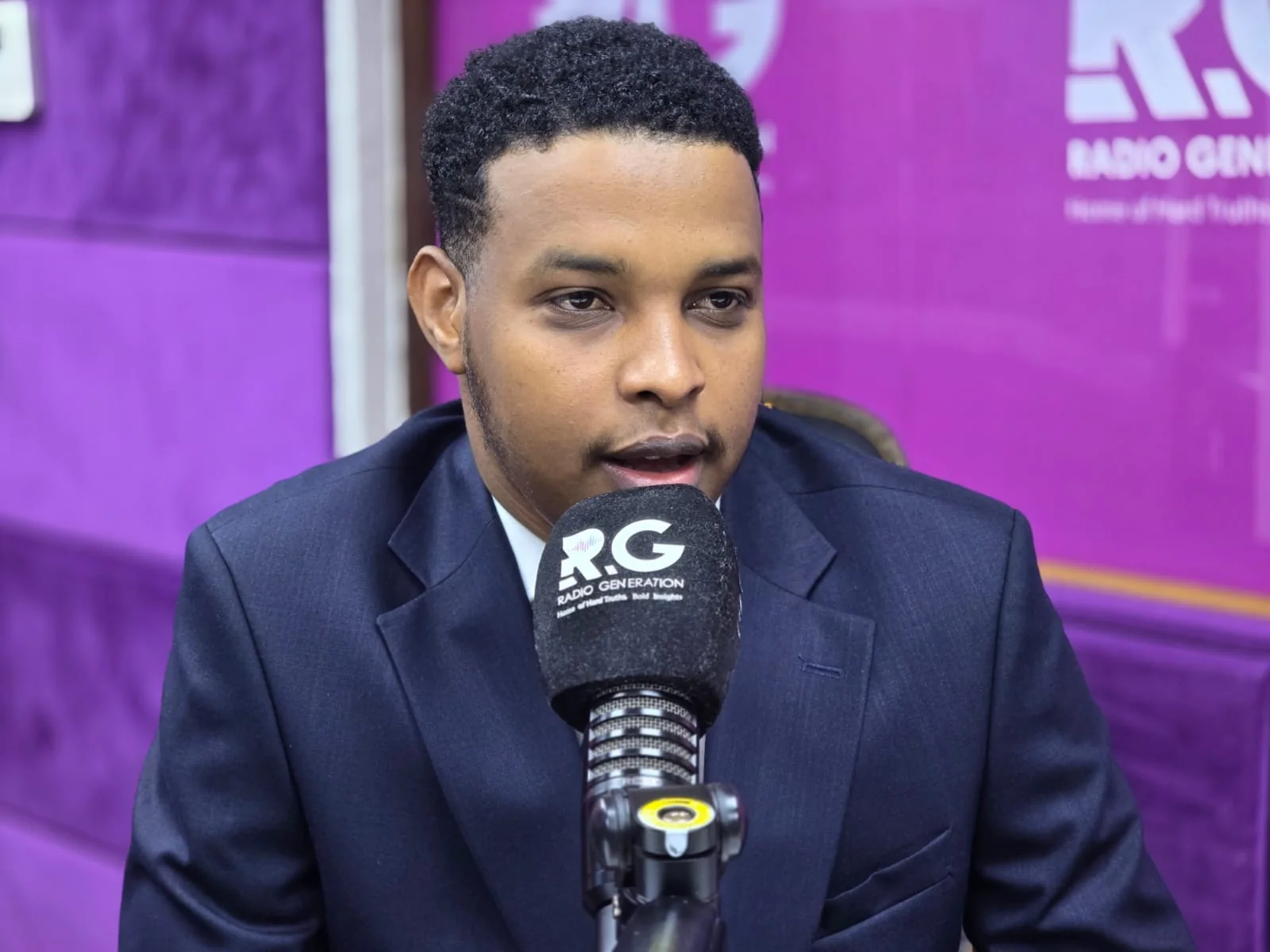
Ahmed says overcrowding and inadequate infrastructure are worsening student welfare, while also criticising the university funding model and calling for stronger government involvement in housing and youth inclusion in decision-making processes
University of Nairobi Students Association (UNSA) President Ahmed Rashid has raised concern over growing challenges affecting students at the University of Nairobi, warning that accommodation shortages, financial struggles, mental health concerns and inadequate infrastructure are placing increasing pressure on learners.
Speaking during a Radio Generation interview on Tuesday, Ahmed said the difficulties experienced by students go beyond campus and reflect wider challenges affecting Nairobi residents, particularly during periods of heavy rainfall.
He recalled the difficulties witnessed during the February-March rains, saying movement across the city became expensive and difficult for many people, especially those operating on limited budgets.
The student leader said the flooding also affected university hostels, making life difficult for learners living on campus.
He reflected on how university hostels were flooded during that period, noting that only taller students(six feet tall) were able to move through the rising waters, describing the situation as extremely difficult for both Nairobi residents and Kenyans in general.
Ahmed said the experience exposed infrastructure gaps that continue to affect students at the institution, which he described as the largest university in East and Central Africa.
A major concern, he noted, is the shortage of accommodation for students.
He explained that the university's hostel capacity is far below the number of students seeking housing.
“hostels have a capacity of 10,000 beds, but the university has around a population of 50,000 students, and the ones living in the hostel are about 25,000 students, but you have a bed capacity of 10,000.”
According to Ahmed, the shortage has forced thousands of students to seek accommodation outside the university, with many moving into neighbouring institutions while others struggle to meet the high cost of rent in surrounding areas.
He noted that despite the steady growth in student enrolment, hostel capacity has remained unchanged, worsening the housing challenge.
To address the problem, Ahmed called for partnerships between the university and government housing programmes.
He said his priority would be to support the renovation of existing hostels and promote the construction of additional student accommodation through collaboration under the affordable housing programme, including the use of university land for development.
Beyond housing, the UNSA President called for greater involvement of young people in leadership and public decision-making.
He argued that the views and interests of young people should be taken into account when key appointments are made in government.
Ahmed also raised alarm over student mental health, saying recent cases in which several students died by suicide had highlighted the need for stronger support systems and welfare programmes within institutions of higher learning.
He noted that financial hardship remains one of the biggest pressures facing students, with many struggling to meet basic needs while pursuing their studies.
The student leader said some learners are forced to skip meals or rely on informal coping mechanisms because of a lack of money.
On financial hardship, he said, “some of them even can’t afford as low as Sh10,000, Sh15,000,” adding that the inability to pay fees often leads to students missing exams and experiencing stigma.
Ahmed further criticised the current university funding model, arguing that it lacks a clear assessment framework and wrongly assumes that students come from similar financial backgrounds.
He called for a more accurate and data-based approach to determining student needs, saying support should be directed to those who require it most.
He concluded by stressing that student leaders and learners themselves are often better placed to identify vulnerable students than formal systems, adding that efforts are underway to strengthen welfare support programmes across the campus.




Comments
Sign in with Google to comment, reply, and like comments.
Continue with Google