Cancer treatment in Kenya is slowly moving beyond Nairobi as regional centres come up across the country, easing pressure on the capital. However, a clinical oncologist says the progress, while welcome, is still far from enough to meet the growing burden of the disease.
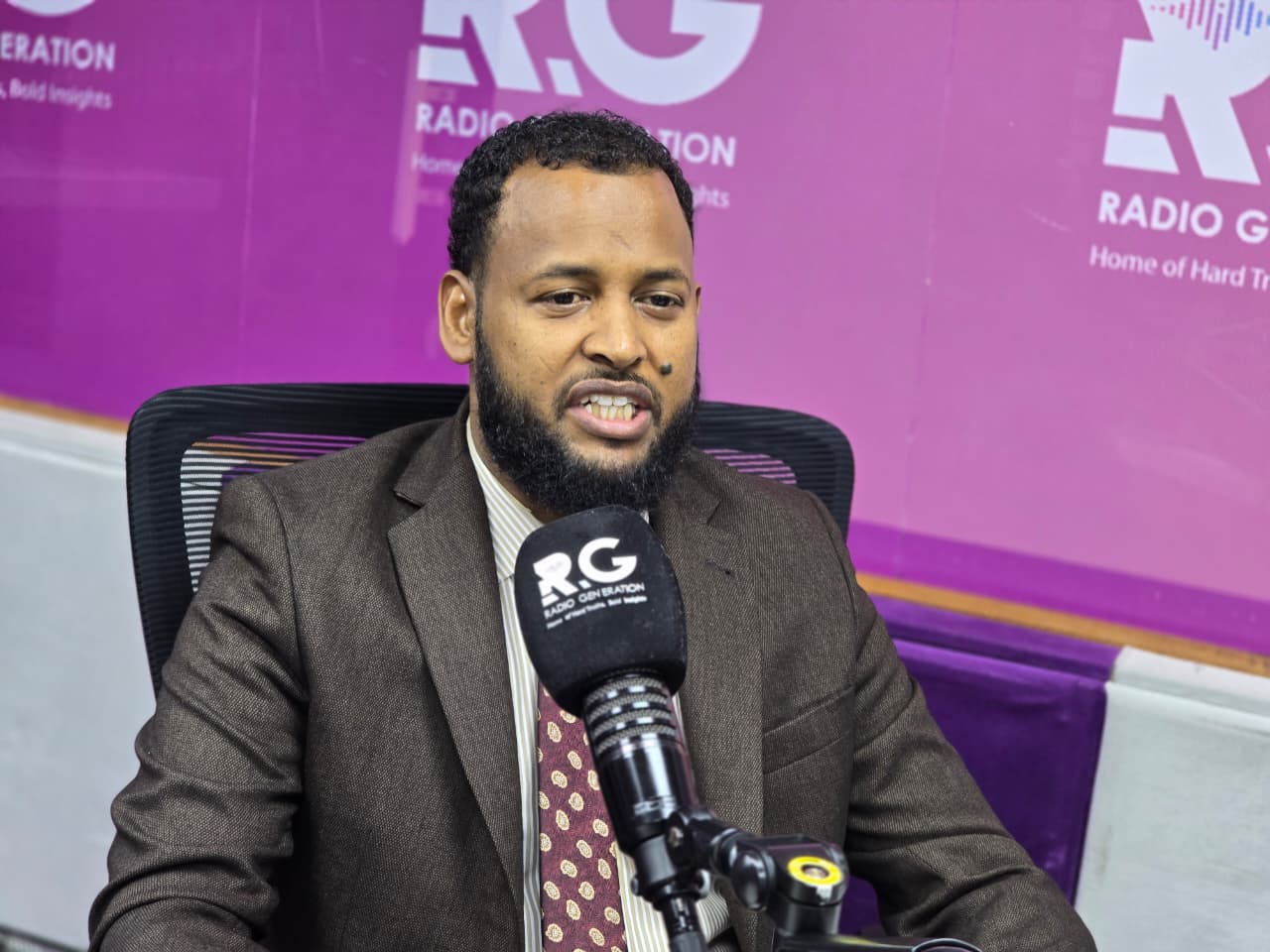
Clinical oncologist and cancer researcher Omar Abdihamid says decentralisation has helped improve access to care, but shortages of trained specialists, high equipment costs and rising cancer cases continue to stretch the system across the country.
He said Kenya has recorded clear gains over the past four years with the establishment of new regional cancer centres in Nakuru, Mombasa and Garissa.
“These are the new ones that have been built for the last four years,” he said.
According to Abdihamid, the Garissa Regional Cancer Centre has become a key referral hub, serving patients from at least 11 counties. These include the three North Eastern counties, as well as Marsabit, Isiolo, Meru, Tharaka Nithi, Embu, Kitui, Makueni, Tana River and Lamu.
The centre has also started receiving patients from Nairobi, a shift he attributed to congestion and long waiting periods in the capital.
“Even more patients are being referred from Nairobi due to delays and waiting times,” Dr Abdihamid said.
He noted that the centre’s catchment area covers a population of about seven million people, a figure that shows the scale of responsibility now placed on regional facilities, even though it does not mean all are cancer patients.
National figures show Kenya records about 40,000 new cancer cases every year, with roughly 29,000 deaths annually.
“We’re only able to save 25 percent,” he said.
Abdihamid explained that rising case numbers are partly due to better detection and improved reporting.
“The more you look for a variable, the higher you find it,” he said, pointing to improvements in cancer registries and diagnostic services that are uncovering cases that previously went unnoticed.
Kenya has expanded cancer services steadily, with about 80 to 90 licensed cancer treatment facilities now operating across the country, based on health sector data.
The National Cancer Institute registry lists many approved centres, ranging from basic chemotherapy clinics to more advanced treatment facilities.
Despite this progress, Abdihamid said serious challenges remain, especially the high cost of setting up and running advanced cancer centres.
“The radiotherapy machine costs around Sh320 million,” he said, adding that the total cost can rise to about half a billion shillings once installation and support systems are included.
Radiotherapy, he said, is a critical part of cancer care.
“Radiotherapy treats 50 percent of cancers. At some point you will need it,” he said, noting that it is used both for treatment and for easing pain in advanced cases.
Staff shortages also continue to affect service delivery. While Garissa Regional Cancer Centre has four oncologists, many counties lack specialised cancer units even when trained doctors are available.
“There are colleagues, working at sub-optimum. They could have worked as specialists, but they are working as general doctors,” he said.
Abdihamid argued that building a cancer centre in every county is unrealistic.
“That is not sustainable,” he said, suggesting instead the development of one fully equipped centre in each former regional province to balance cost, access and quality of care.
He acknowledged that government medical equipment leasing programmes have helped counties obtain machines such as CT scanners and MRI units, but said radiotherapy equipment remains out of reach for most counties.
“I don’t think the radiotherapy machine is part of the list,” he said.
The oncologist believes partnerships and new approaches could help close some gaps. He said Kenya could benefit from refurbished machines and technologies that are no longer in use in wealthier countries but are still effective.
“We’re better off than where we were,” he said. “That’s not to perpetuate mediocrity. We need to move on.”
As cancer cases continue to rise, the shift toward regional cancer care is offering relief to patients far from Nairobi. Still, experts warn that lasting progress will depend on sustained funding, proper planning and a clear national approach to cancer treatment.































Comments
Sign in with Google to comment, reply, and like comments.
Continue with Google