Sifuna sounds alarm over health crisis after Senate findings expose struggling hospitals
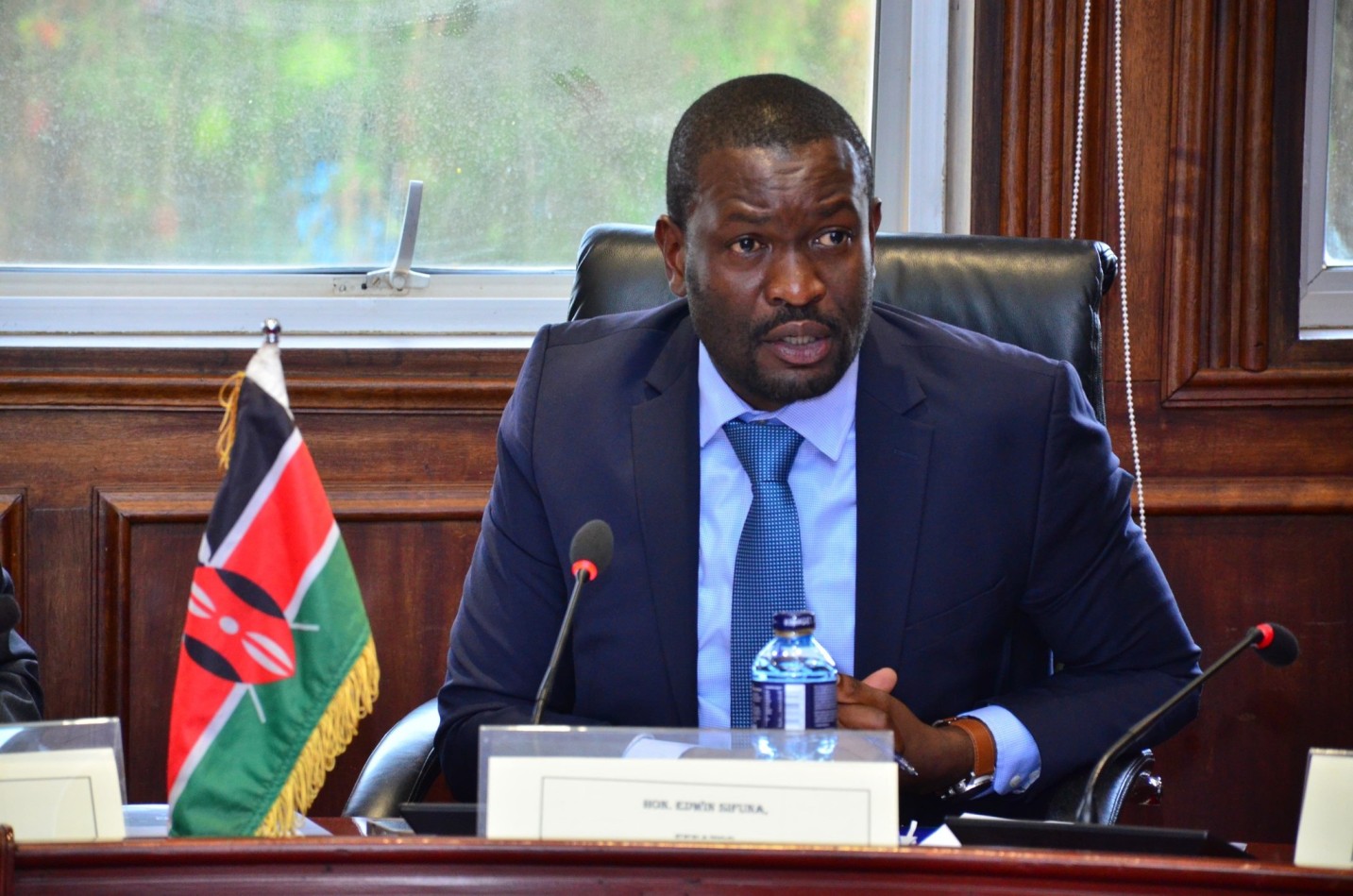
The findings highlight overcrowded maternity wards with multiple mothers sharing beds, understaffed facilities, and dilapidated mortuaries in several counties
Nairobi Senator Edwin Sifuna has raised fresh concerns over the state of Kenya’s healthcare system, warning that public hospitals are struggling under severe pressure after Senate oversight reports uncovered overcrowded wards, delayed payments, staffing shortages and deteriorating infrastructure across several counties.
Speaking on Wednesday during a Senate plenary session discussing reports by the Standing Committee on Health, Sifuna said findings from oversight visits painted a worrying picture that sharply contrasts with official claims that universal health coverage is functioning effectively.
The reports covered county oversight and networking engagements in Kitui, Makueni and Machakos counties, tabled on February 26, 2026, Kiambu County, tabled on March 19, 2026, and Bungoma and Kakamega counties, tabled on April 21, 2026.
Sifuna said attempts to strengthen oversight of public health facilities had previously faced resistance despite growing evidence that many hospitals were operating under immense strain.
According to the senator, oversight visits conducted by the committee revealed troubling conditions in hospitals in Kiambu, Kitui and Nairobi, with maternity wards among the most affected.
“Overcrowded maternity wards is true in Kiambu, it is true in Kitui, it is true even here in Nairobi, two to four mothers were sharing beds, up to 10 women, one bed,” he stated.
He said the conditions reported across different counties pointed to deeper problems within the healthcare system rather than isolated cases, warning that inadequate infrastructure was affecting both patient care and safety.
The senator also raised concerns about administrative and financial challenges affecting health facilities, including limited access to important data and delays in reimbursements under national health insurance programmes.
“Our committee also reported that they were denied access to data on child mortality in some of these facilities,” he said, adding that transparency was essential for effective oversight and reform.
The Senate Health Committee reports covering Kitui, Makueni, Machakos, Kiambu, Bungoma and Kakamega counties highlighted widespread pressure on public health facilities.
Among the issues identified were overcrowded maternity wards where several mothers shared beds, understaffed hospitals and poorly maintained mortuaries in some counties.
The reports also pointed to delayed reimbursements under both the former National Health Insurance Fund (NHIF) and the Social Health Authority (SHA), leaving hospitals burdened with unpaid claims and affecting service delivery.
While some facilities, including Karuri Health Centre and Kiambu Referral Hospital, were commended for improvements in digitisation and medicine availability, the reports noted that many health institutions remained under-resourced.
Sifuna questioned government assertions that universal health coverage was operating successfully across the country, saying the situation observed by senators did not support such claims.
“We are being told by senior government officials that UHC is working 100%. I don’t know where the Head of State gets this information,” he stressed.
He said unresolved hospital bills and delayed payments continued to place pressure on both healthcare providers and patients, further weakening service delivery.
Although some facilities had made progress through better digital systems and improved pharmacy management, Sifuna said such examples were not representative of the wider situation facing public hospitals.
The senator also cited outstanding debts inherited from the NHIF era, noting that many hospitals were still waiting to receive payments owed to them.
“There are still unresolved issues of NHIF, I think as a house we need to bring Health CS, Aden Duale back here,” he said, calling for greater accountability from the Ministry of Health.
Sifuna concluded that the committee’s findings revealed a healthcare system facing serious challenges and urged urgent intervention to address the gaps before conditions worsen further.




Comments
Sign in with Google to comment, reply, and like comments.
Continue with Google