Mak’Ochieng warns ODM split narrative may be driven by perception, not structure
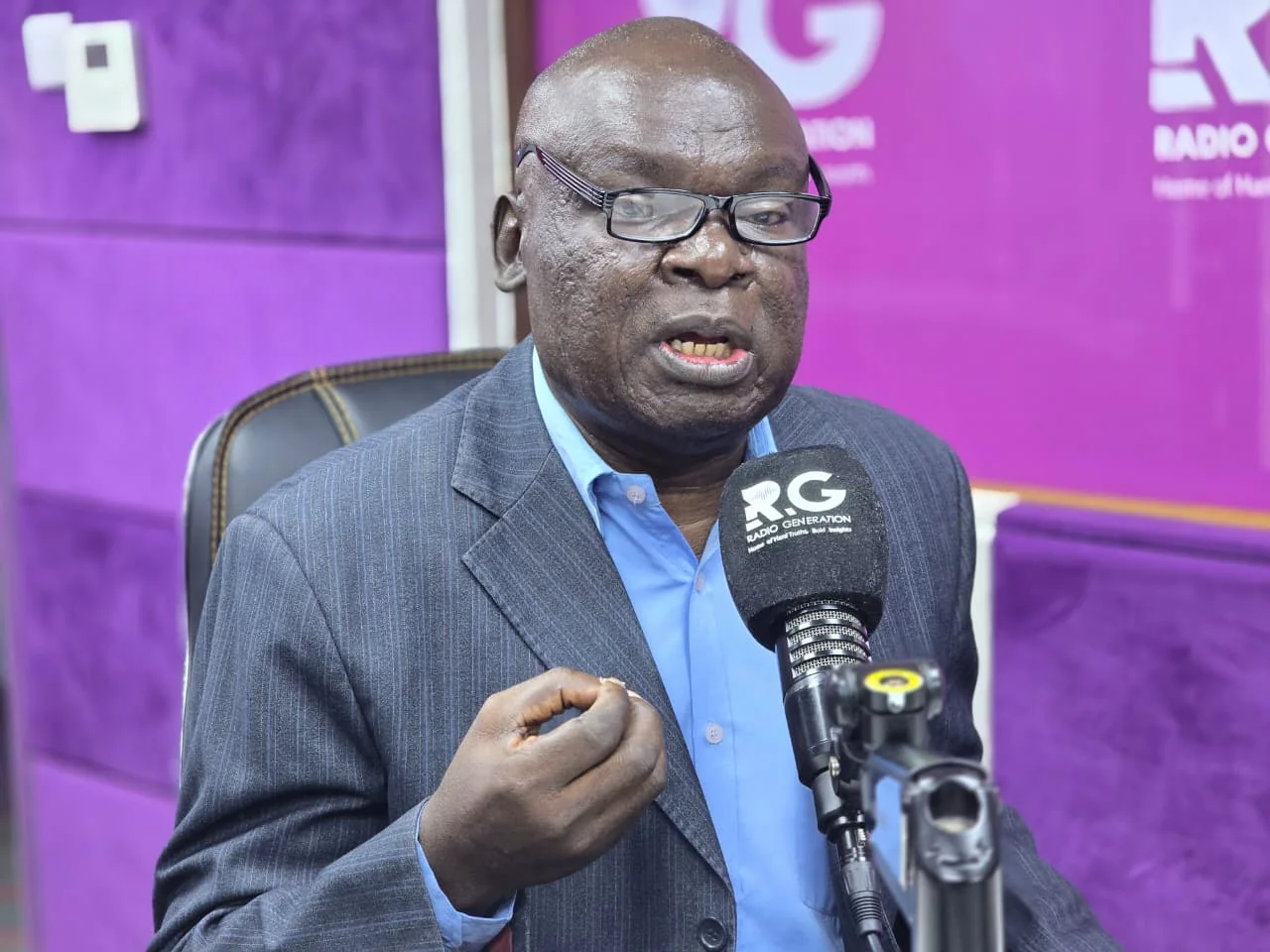
Associate Professor Murej Mak’Ochieng discusses ODM’s internal debate after Raila Odinga’s death, focusing on “Linda Ground” and “Linda Mwananchi” and whether media narratives reflect speculation or formal restructuring.
ODM’s internal political direction has come under fresh scrutiny following renewed debates on “Linda Ground” and “Linda Mwananchi”, with an academic warning that the current narratives may be driven more by perception and political talk than by any formal party restructuring.
Associate Professor Murej Mak’Ochieng says the discussions reflect changing political alignments within ODM after the death of Raila Odinga, arguing that much of what is being interpreted as division is shaped by speculation, insider accounts, and media framing rather than official organisation changes.
Speaking during a Radio Generation interview on Tuesday, the Multimedia University of Kenya professor said the ongoing debate has created an impression that ODM is drifting into separate blocs, often described as “ODM A” and other groupings, but cautioned that such conclusions may not reflect the party’s actual structure.
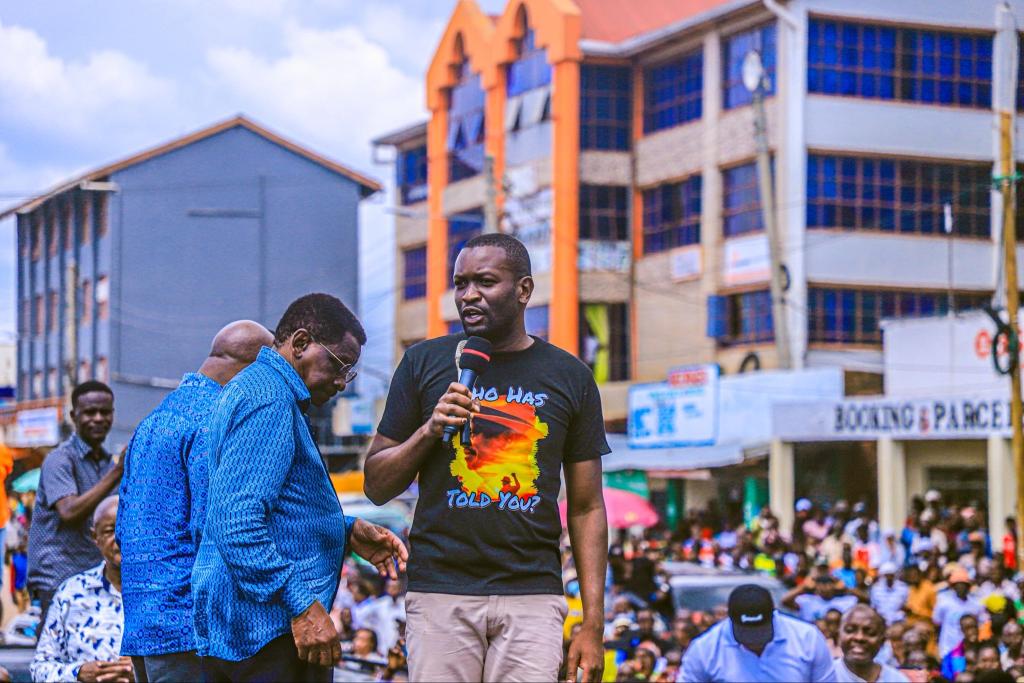 Nairobi Senator Edwin Sifuna address resident of Kakamega after their Linda Mwananchi rally at Amalemba Grounds on Saturday./HANDOUT
Nairobi Senator Edwin Sifuna address resident of Kakamega after their Linda Mwananchi rally at Amalemba Grounds on Saturday./HANDOUT
He explained that the narratives surrounding succession and internal positioning continue to be influenced by historical commentary, media interpretation, and insider political claims, especially around Raila Odinga’s legacy and how it continues to shape current alignments within the party.
The professor also noted that ODM traces its political foundation to the 2005 constitutional referendum coalition that brought together reform-minded groups, later formalised ahead of the 2007 elections to challenge the then ruling power structure.
The latest debate has been linked to two main political camps within ODM. One faction is associated with Siaya Senator Oburu Oginga, Homa Bay governor Gladys Wanga, Suna East MP Junet Mohamed, and allies who support the “Linda Ground” mobilisation strategy and favour continued cooperation with the government under the broad-based arrangement.
The other camp is linked to Nairobi Senator Edwin Sifuna and Siaya governor James Orengo, who have pushed the “Linda Mwananchi” approach, which leans towards a more independent opposition role for ODM and questions close alignment with the ruling UDA administration. Nairobi Senator Edwin Sifuna address resident of Kakamega after their Linda Mwananchi rally at Amalemba Grounds on Saturday./HANDOUT
Mak’Ochieng observed that public interpretation of these alignments has led to talk of internal splits, but insisted that the situation may be overstated. He said perceptions of a divided ODM are being amplified by ongoing political messaging and commentary rather than confirmed organisational changes.
He further argued that the party’s unity in earlier years was strongly anchored on Raila Odinga’s personal authority, and that his absence has exposed underlying differences in strategy and approach among leaders.
“What his next move was? He will never move without having option A and option B,” he outlined, describing Raila as a strategic political actor who balanced competing camps.
The professor added that current debates reflect two broad political tendencies within ODM, with one side leaning towards engagement with government structures and the other pushing for a firmer opposition stance. He said both positions are rooted in long-standing internal dynamics within the party.
Mak’Ochieng also noted that public perception appears to favour one of the emerging blocs, saying “institutionally, the audience is with the Linda Ground faction,” while acknowledging that the opposing “Linda Mwananchi” position continues to shape national debate on the party’s direction.
He cautioned against treating the developments as a fully coordinated political plan, adding “if it is managed, then I think it is spectacular,” while expressing doubt that the current situation is the result of deliberate orchestration.
According to him, ODM now faces a key test of leadership renewal and communication strategy, especially in managing public perception and internal cohesion at a time when political competition in the country remains intense.
He concluded that the party’s future will depend on whether it can build a leadership structure capable of sustaining influence in the absence of Raila Odinga, or whether competing narratives will continue to define its internal politics going forward.
https://twitter.com/RadioGenKe/status/2061719672941142201




Comments
Sign in with Google to comment, reply, and like comments.
Continue with Google