Opposition unity faces test as Jubilee flags risk of vote split
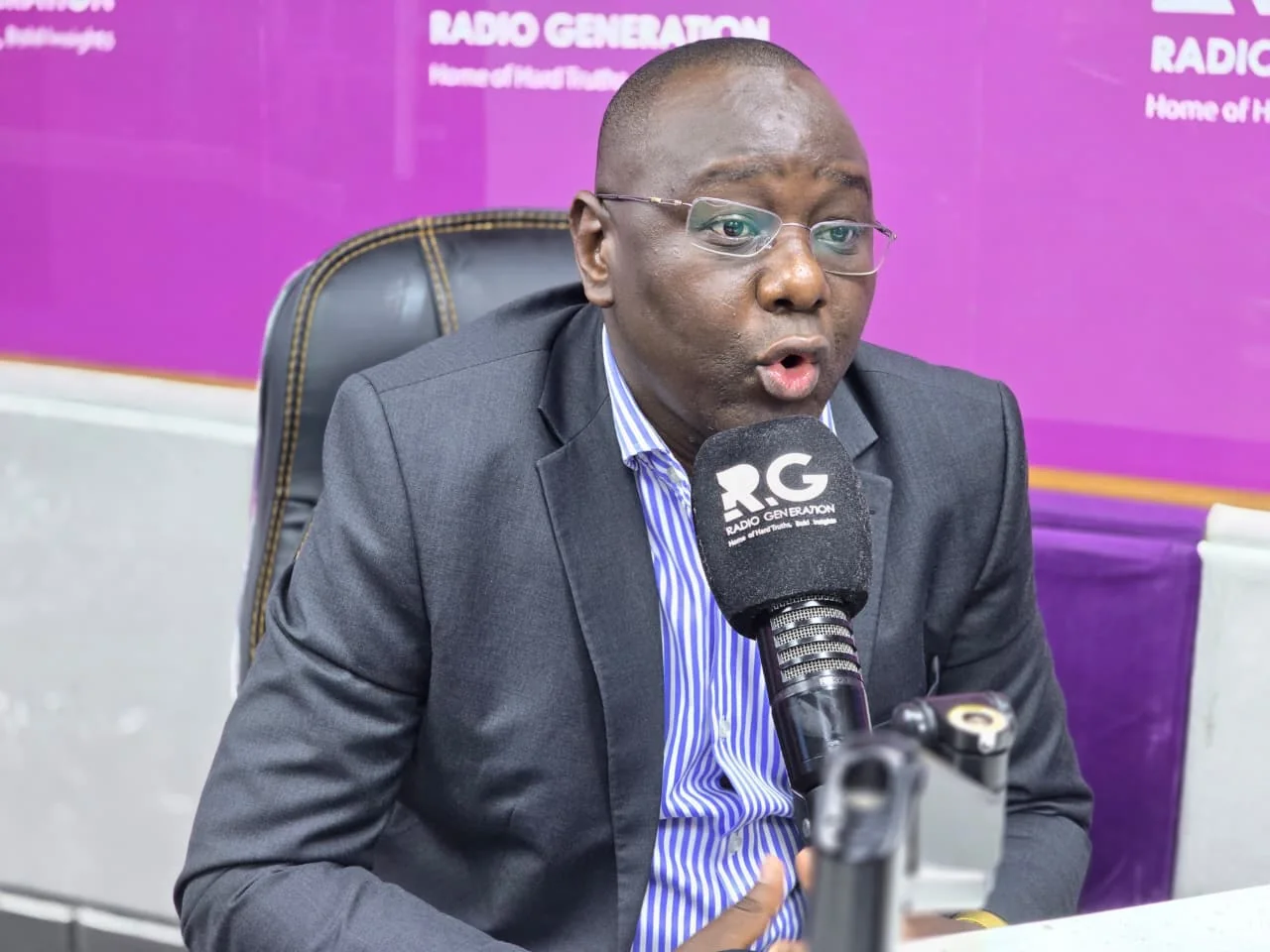
Kemosi added that Jubilee Party, which has experienced internal disputes in recent years, is now focused on rebuilding its structures and strengthening its grassroots presence.
Opposition parties are stepping up structured political talks aimed at building a united strategy ahead of the 2027 General Election, with Jubilee Party warning that failure to agree on a common direction could hand President William Ruto’s United Democratic Alliance a clear advantage at the ballot.
Jubilee Party National Chairperson Vincent Kemosi, during an interview at Radio Generation on Thursday, said the ongoing engagements among opposition formations are not informal discussions but organised negotiations focused on how the coalition will coordinate campaigns and agree on candidates across the country.
“We are also a very active and very important partner in the alternative government,” Kemosi highlighted, referring to Jubilee Party’s role within the opposition coalition.
He said the talks are intended to prevent confusion within the wider opposition camp, which has increased joint political activities through rallies, consultations, and grassroots mobilisation in several regions.
“That is why we are engaging in negotiations. We must have structured negotiation, so that we have a clear roadmap on how to campaign and who to campaign for,” he stated.
Kemosi added that Jubilee Party, which has experienced internal disputes in recent years, is now focused on rebuilding its structures and strengthening its grassroots presence.
“Jubilee Party is now a vibrant party, and I could want to tell both the supporters and opponents of Jubilee Party to expect much more activities in the coming days,” he said.
The party was formed in 2016 through a merger of political formations allied to former President Uhuru Kenyatta and former Deputy President William Ruto, including TNA and URP. It rose to power after winning the 2017 General Election before losing control in 2022 when William Ruto’s UDA defeated Raila Odinga’s Azimio coalition.
Kemosi said Jubilee has gone through internal turbulence, including attempted takeovers that were later resolved through court rulings.
“Jubilee has been riddled with a lot of rancours, some of which are politically motivated. You saw about two three years ago some people taking over Jubilee Party, one faction of Jubilee Party, and declaring themselves to be the legitimate officials of Jubilee Party,” he said.
“Once the court process went through, the court pronounced that they were in office illegally.”
He said the ruling allowed the party leadership to stabilise operations and shift focus to rebuilding structures instead of internal leadership conflicts.
According to him, Jubilee has since intensified membership recruitment, office expansion, and grassroots mobilisation across the country.
“One of the major activities that we've been able to undertake in the past few months that we came into office is trying to actually do grassroots mobilization in terms of membership registration,” he noted.
“We've also been able to open about six to eight offices across the country. At the end of this coming month, we could have not less than 15 offices so far.”
Kemosi said the party is also using a hybrid engagement model combining public rallies with smaller consultative forums aimed at collecting feedback from citizens.
“Our politics is hybrid. We have a situation whereby we are able to do town hall meetings, get one-on-one feedback from people, which is good, and then go outside and address the public,” he said.
His remarks come as several opposition parties continue to align under what leaders describe as a United Opposition or alternative government movement ahead of 2027. The grouping includes Rigathi Gachagua of DCP, Kalonzo Musyoka of Wiper, Martha Karua of PLP, Fred Matiang’i of Jubilee, Eugene Wamalwa of DAP-K, and Justin Muturi of DP.
The coalition has been holding joint rallies and strategy meetings, with leaders pushing for a single presidential candidate to avoid splitting votes in the next election.
Kemosi pointed to recent opposition tours in areas such as Bomet and Kisumu, saying the response showed rising support even in regions considered politically competitive.
“We were very amazed, we were very happy, because Bomet is an area that you would expect to find resistance when you are addressing these people,” he highlighted.
“But they came out in large numbers.”
He also addressed ongoing talks around the Ol Kalou parliamentary race, saying opposition parties are working to agree on a joint candidate to avoid competing aspirants weakening their chances.
“We are very ready to hit the roads and campaign for our candidate. However, being a united opposition alternative government that is coming, we are also engaging in talks to see the best way forward for the coalition,” Kemosi outlined.
He warned that lack of unity within the opposition could create openings for the ruling party.
“If we go the way we are scattered, then we may be able to give an opportunity to UDA using its money. We will not give them that opportunity,” he said.




Comments
Sign in with Google to comment, reply, and like comments.
Continue with Google