WMO warns El Niño set for June–August 2026, urges preparedness
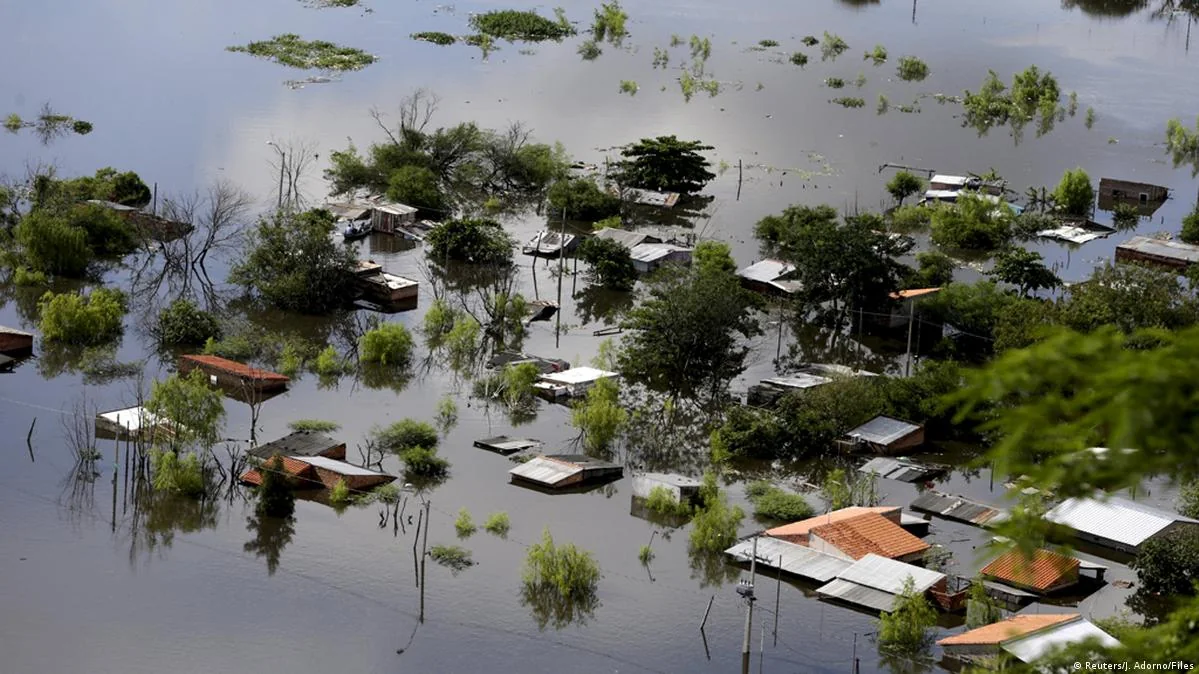
The World Meteorological Organization warns El Niño conditions are likely to develop between June and August 2026, with forecasts suggesting persistence into November. It urges governments to strengthen preparedness and early warning systems.
The World Meteorological Organization (WMO) has warned that El Niño conditions are likely to develop in the coming months, sharply increasing the risk of extreme global weather including heatwaves, droughts and heavy rainfall, as scientists urge governments to step up preparedness and early warning systems.
The agency says there is an 80% probability of an El Niño event occurring between June and August 2026, with forecasts suggesting conditions could persist with a probability of 90% or more through November.
It adds that while uncertainty remains over the peak strength, most models indicate the event will be at least moderate and could become strong.
“El Niño conditions are arriving on our doorstep in the coming months with 90% certainty,” UN Secretary-General António Guterres said in a video statement cited by the WMO. “The world must treat it as the urgent climate warning it is.”
El Niño is a natural climate pattern marked by warming sea-surface temperatures in the central and eastern tropical Pacific Ocean.
According to the WMO, unusually warm ocean waters are already being observed, with subsurface temperatures in parts of the Pacific exceeding 6°C above average and feeding surface warming.
The organization said these changes are already influencing atmospheric conditions, with the Southern Oscillation Index consistent with a developing El Niño phase.
It warned that the phenomenon typically “increases global temperatures and drives more extreme weather and rainfall patterns,” adding that above-average temperatures are expected “nearly everywhere for June to August.”
WMO Secretary-General Celeste Saulo said the world must prepare for potentially severe impacts.
“We need to prepare for a potentially strong El Niño event — which will exacerbate drought and heavy rainfall and increase the risk of heatwaves both on land and in the ocean,” she said, adding that advance forecasts are essential to protect lives and livelihoods.
El Niño events, which typically occur every two to seven years, are known to disrupt global weather systems, often bringing wetter conditions to parts of South America and East Africa while causing drought across regions such as Australia, Indonesia and parts of South Asia.
The WMO noted that even moderate El Niño events can significantly increase the likelihood of climate extremes, including flooding, drought and heat stress, depending on how the system interacts with other climate drivers such as the Indian Ocean Dipole.
The agency urged governments, humanitarian organizations and climate-sensitive sectors such as agriculture, health, energy and water management to use seasonal forecasts in planning.
“Time for informed decision-making, planning and preparedness is now,” the WMO said.
It also warned that while El Niño does not guarantee specific outcomes in every region, its global reach means impacts can be uneven but severe, with risks crossing borders rapidly and compounding existing climate pressures in a warming world.



Comments
Sign in with Google to comment, reply, and like comments.
Continue with Google