Kenya warned of 1.2 million unintended pregnancies as contraceptive supplies run dry
The self-injectable version is also unavailable, alongside combined oral contraceptive pills, emergency contraceptives often used by young girls, and the one-rod etonogestrel implant. T
Kenya’s public health system is now facing an almost total shortage of modern contraceptives, with hospitals and Kemsa warehouses reporting empty shelves for most family planning methods at a time when health officials are warning of a worsening reproductive health emergency.
New government data shows the country could be pushed into 1.2 million unintended pregnancies, 290,000 unsafe abortions, and about 4,000 maternal deaths if the supply gap is not urgently closed, a situation linked to a collapsing financing system for reproductive health commodities.
At the centre of the crisis is a near total stockout of essential products. As of May 7, 2026, records from the Kenya Medical Supplies Authority central warehouse show that the DMPA IM injectable, used by about 100,000 women every month, has completely run out.
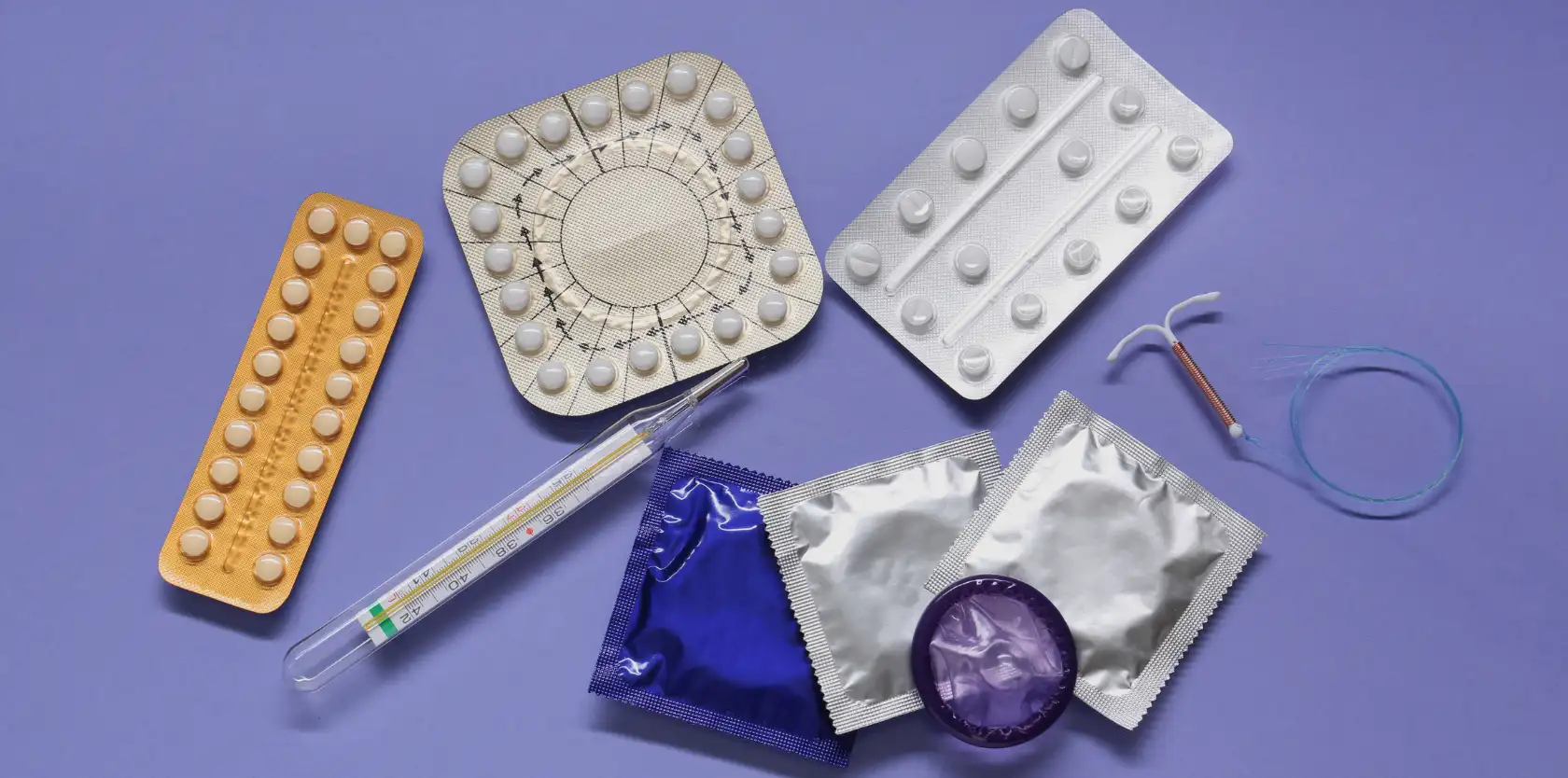
The self-injectable version is also unavailable, alongside combined oral contraceptive pills, emergency contraceptives often used by young girls, and the one-rod etonogestrel implant. The only remaining method, the two-rod levonorgestrel implant, has less than a month of supply left.
Health officials told a Legislative Health Committee briefing in Mombasa that even if funds are released immediately, it would take about 13 months before new supplies reach health facilities across the country.
The delay is tied to procurement timelines that run from financing approval to delivery and distribution.
The shortages come after years of heavy reliance on external partners, who previously funded close to 90 per cent of Kenya’s family planning commodity needs.
That support has declined following cuts in global health assistance, including changes in United States funding priorities. Kenya had committed under the FP2030 framework to fully finance its contraceptive needs domestically by 2026, but that target has not been achieved.
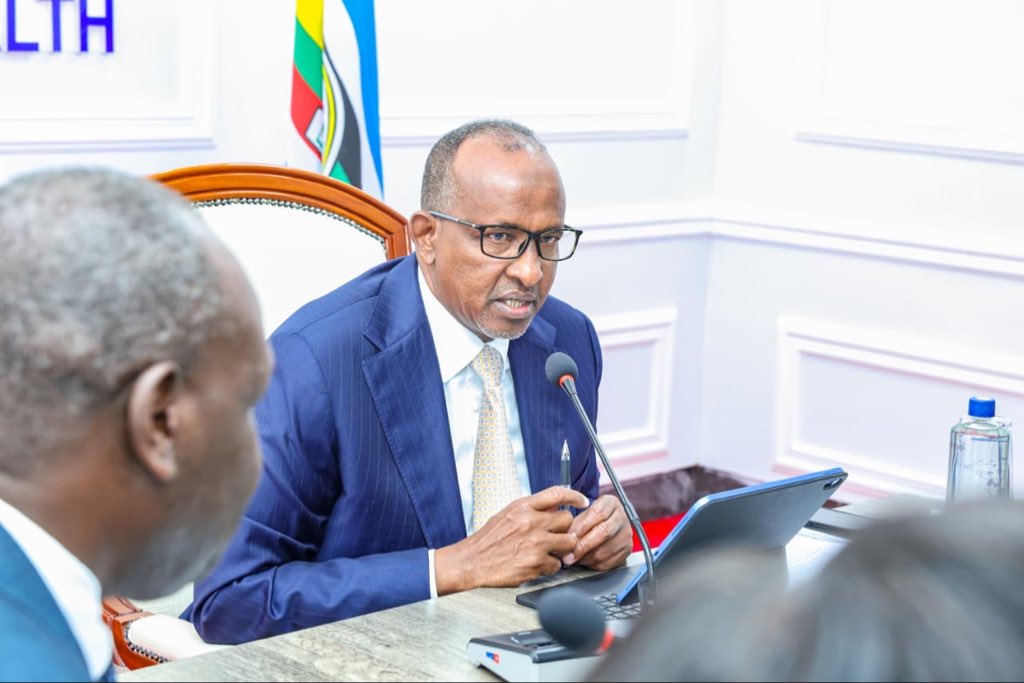
Dr Mohamed Sheikh from the Ministry of Health Division of Reproductive Maternal Neonatal Child and Adolescent Health (RMNCAH) said the funding gap has stalled the transition.
“Without a dedicated, legally ring-fenced appropriation from Parliament, the transition to self-reliance has completely stalled,” Dr Sheikh said.
In the current Financial Year 2026/2027, the government has set aside Sh500 million against a required Sh5.8 billion annually, covering less than nine per cent of actual demand. Officials say inconsistent disbursements over the past four years have worsened the shortages and disrupted supply planning.
Service data shows the impact is already being felt in health facilities. The DMPA IM injectable, which accounts for about half of all family planning visits, recorded 675,776 visits between July and September 2024 but dropped to 468,484 by the end of 2025.
Combined oral contraceptive uptake also fell sharply from about 207,000 to below 120,000 within the same period. Health officials say these declines are driven by lack of availability rather than reduced demand.
The situation is particularly severe for adolescents and young women. Ministry of Health figures show that the share of people aged 10 to 19 accessing family planning services increased from 10 per cent in 2021 to 21 per cent in 2025.
However, officials warn that stockouts are reversing these gains and exposing young people to higher risks of unintended pregnancies. RMNCAH projections indicate a 15 per cent adolescent unintended pregnancy rate, with one in seven adolescent girls already pregnant or having given birth.
Funding commitments tied to international partnerships have also stalled. The Government of Kenya and United Nations Population Fund (UNFPA) Compact Agreement signed in May 2024, meant to support commodity financing, has not been fully implemented.
Kenya’s required matching contribution of $618,473 (Sh80.4 million) for 2024/2025 remains unpaid, while funding for 2026/2027 is still awaiting budget approval. UNFPA currently covers only about six per cent of national demand.
Cost of commodities remains another pressure point. Long-acting reversible contraceptives such as IUCDs and implants cost between $4.87 (Sh633) and $9.50 (Sh1,235) per couple per year of protection.
The DMPA injectable costs $23.68 (Sh3,078), while oral pills cost $38.60 (Sh5,018), making sustained procurement heavily dependent on predictable financing.
A parliamentary briefing has now outlined urgent interventions needed to prevent a total collapse of services. It recommends immediate and long-term reforms to stabilise supply and financing.
“Pass a supplementary budget of Sh2.5 billion to prevent total Kemsa stock outs and honor the GoK/UNFPA compact commitments. “By 2027, enact a Health Financing Bill to legally ring-fence commodity budgets from administrative cuts and by 2028, scale the county compact model across all 47 counties. By 2030, achieve a modern contraceptive prevalence rate of 64 percent and reduce unmet need below 10 percent nationally. “Kenya is at a critical inflexion point,” the Ministry of Health briefing concludes. “FP commodity security is now a policy, governance, and continuity issue.”



Comments
Sign in with Google to comment, reply, and like comments.
Continue with Google