1,224 victims listed as KNCHR drafts reparations plan
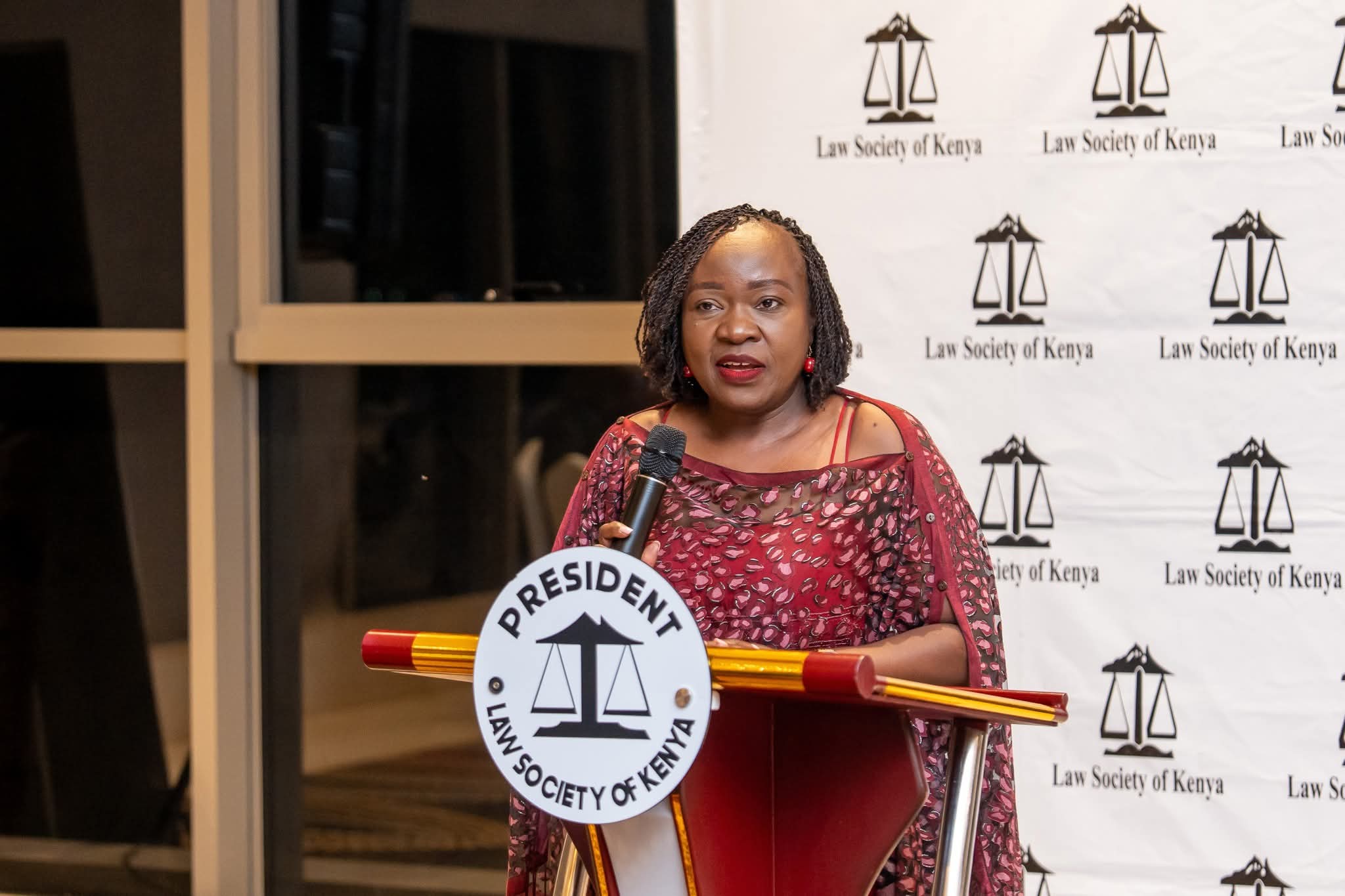
In a press statement issued on April 1, 2026, the Commission said the initiative stems from a presidential request made through Gazette Notice No. 3114 of March 6, 2026, pursuant to Article 254(2) of the Constitution.
The Kenya National Commission on Human Rights has begun developing a national framework for compensation and reparations to victims of human rights violations following a directive by President William Ruto, with a report expected within 60 days.
In a press statement issued on April 1, 2026, the Commission said the initiative stems from a presidential request made through Gazette Notice No. 3114 of March 6, 2026, pursuant to Article 254(2) of the Constitution.
“The President… requested the KNCHR to submit a report containing the Reparations Framework within sixty (60) days,” the statement noted.
The Commission revealed that it has already made significant progress, including developing a roadmap and a working document to guide consultations with key stakeholders.
These include victims and survivors, government agencies, civil society organizations, and other interest groups.
“Upon input from stakeholders, a draft Reparations Framework will be generated and thereafter subjected to extensive public participation in line with the Constitution,” KNCHR said.
At the same time, the Commission is compiling a verified list of victims who will benefit from the reparations programme. So far, 1,224 victims have been identified across a wide range of violations.
“The list encompasses various categories of gross human rights violations key among them extrajudicial killings, torture, abductions and enforced disappearances, evictions, sexual and gender-based violence, loss of property and loss of livelihoods,” the statement read.
KNCHR noted that the list is currently undergoing verification based on established eligibility criteria before submission to the President alongside the final framework.
However, the Commission raised concerns over funding constraints, which it says have limited its ability to conduct nationwide outreach.
“The KNCHR has not been able to undertake countrywide outreach as was envisaged… due to lack of budgetary allocation,” it said, urging the National Treasury to release allocated funds without delay to enable it to “fully discharge this critical constitutional and human rights mandate effectively and efficiently.”
The Commission has also called on victims, including those affected during protests and demonstrations, to submit supporting documents such as medical reports, police records, and witness statements for verification by April 3, 2026.
It assured the public that its offices will remain open on the public holiday to facilitate submissions.



Comments
Sign in with Google to comment, reply, and like comments.
Continue with Google