MPs raise alarm over ID delays, backlog during Kiambu inspection
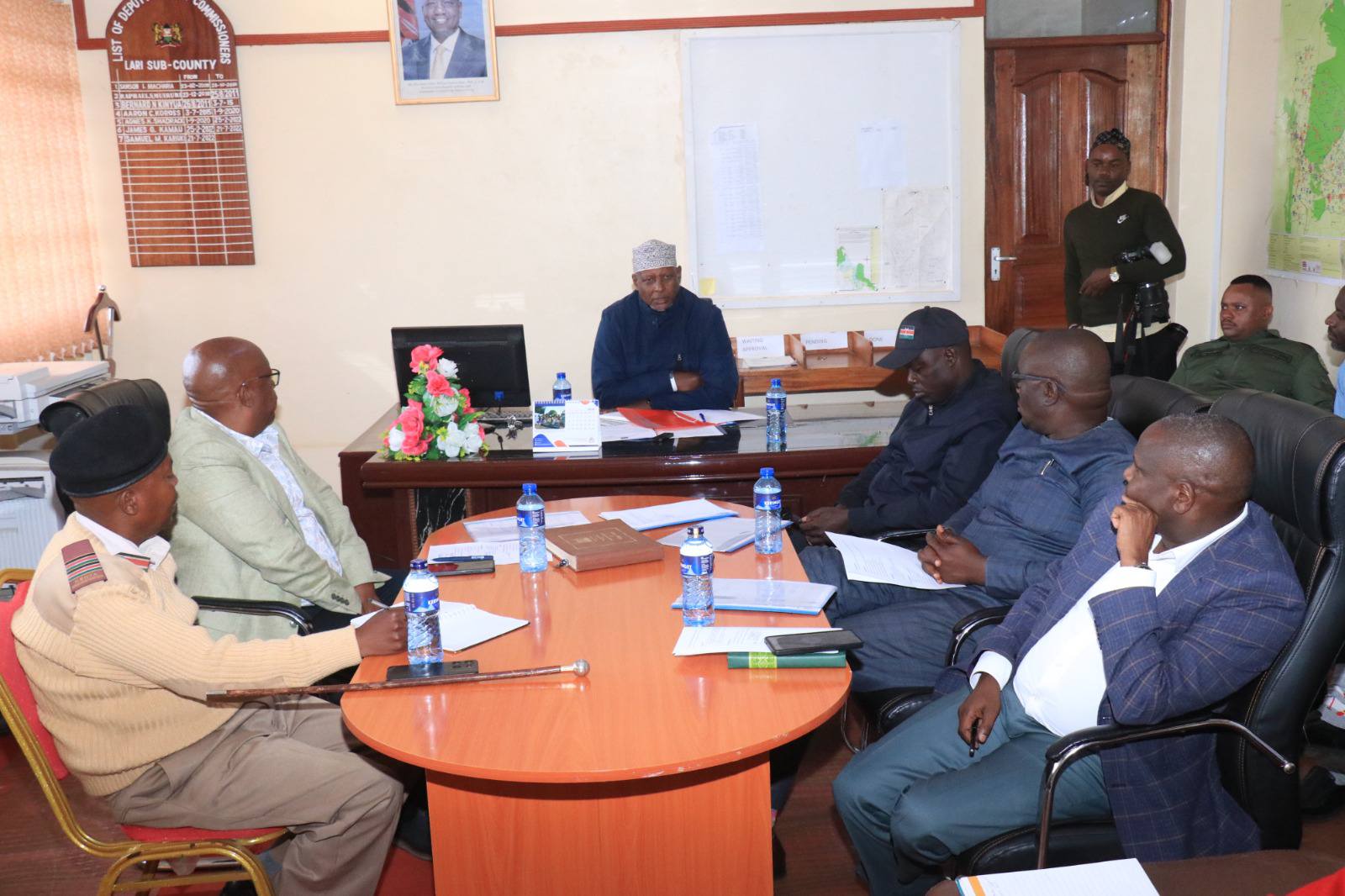
The concerns emerged during a fact-finding mission by the Departmental Committee on Administration and Internal Security as part of its budget oversight programme.
Members of the National Assembly have raised concerns over persistent delays in the processing of national identity cards and a growing backlog of uncollected IDs following an oversight visit to Limuru and Lari sub-counties.
The concerns emerged during a fact-finding mission by the National Assembly Departmental Committee on Administration and Internal Security on Friday as part of its budget oversight programme.
The delegation, led by Saku MP Dido Ali Rasso and chaired by Narok West MP Gabriel Tongoyo, included lawmakers Peter Francis Masara, Peter Kaluma and Mburu Kahangara.
Officials from the State Department for Immigration and Citizen Services told the committee that systemic inefficiencies, inadequate infrastructure and recurring system failures continue to hamper service delivery across registration centres.
In Limuru, Principal Registration Officer Eric Mwaura revealed that the sub-county is grappling with a backlog of about 2,000 uncollected national identity cards, raising both financial and security concerns.
“These IDs pose a potential security threat if they fall into the wrong hands. It is also a waste of public resources,” Mwaura said.
Lawmakers questioned the absence of a clear policy framework governing how long uncollected IDs should remain at registration offices and what mechanisms exist to ensure they are delivered to their rightful owners.
Committee members heard that delays in processing IDs are largely linked to logistical bottlenecks and system inefficiencies.
While first-time applicants typically wait about a month, replacements take between 21 and 25 days, timelines that can stretch further during system downtimes.
Officials also cited delays in the supply of critical materials such as registration forms, fingerprint kits and equipment, which are centrally procured in Nairobi, often disrupting operations at local offices.
The backlog has been worsened by the lack of an automated notification system to alert applicants when their IDs are ready.
Mwaura proposed the introduction of an SMS-based system to improve communication and reduce congestion at registration centres.
“We receive between 30 and 50 first-time applications daily, and up to 30 replacement requests,” he said, noting that demand has increased since the government waived ID application fees.
Legislators also raised concerns over the continued application of vetting requirements, particularly for applicants from border regions, despite the official abolition of vetting committees in March 2024.
Homa Bay Town MP Peter Kaluma warned that the process still mirrors the old vetting system, effectively locking out legitimate applicants.
“People apply, get rejected after a year, and the cycle repeats. Some end up reaching old age without ever acquiring an ID. This is a denial of a constitutional right,” Kaluma said.
He also criticised requirements compelling married women to seek parental consent during registration, terming them outdated and discriminatory.
Lari MP Mburu Kahangara noted that while local interventions such as involving chiefs have helped reduce uncollected IDs in his constituency, Limuru’s cosmopolitan population presents more complex challenges.
The committee also inspected civil registration offices, where officials cited understaffing, poor infrastructure, unreliable internet connectivity and delays in submission of registration data.
At the Kiambu West Civil Registry in Limuru, officers reported issuing over 3,900 birth certificates and 577 death certificates since the start of the year, despite constraints linked to outdated equipment and limited funding.
In Lari, similar challenges were reported, including shortages of materials, limited office space and insufficient staff training.
The MPs called for increased budgetary allocation, enhanced digitisation, and integration of civil and national registration systems to eliminate duplication and delays.
They also recommended deployment of mobile registration units to reach remote areas and intensified public awareness campaigns to improve collection rates.
The committee is expected to compile a report with policy recommendations aimed at streamlining registration processes and improving access to identification documents nationwide.




Comments
Sign in with Google to comment, reply, and like comments.
Continue with Google