MPs push for stronger protection for human trafficking victims as audit exposes gaps
The concerns emerged on Thursday when the National Assembly's Special Funds Accounts Committee (SFAC) examined the Auditor-General's report on the Fund's financial statements for the 2021/2022 financial year
Members of Parliament have called for enhanced protection of victims of human trafficking, particularly women and children, following concerns raised during a review of the National Assistance Trust Fund for Victims of Trafficking in Persons.
The concerns emerged on Thursday when the National Assembly's Special Funds Accounts Committee (SFAC) examined the Auditor-General's report on the Fund's financial statements for the 2021/2022 financial year at Bunge Towers.
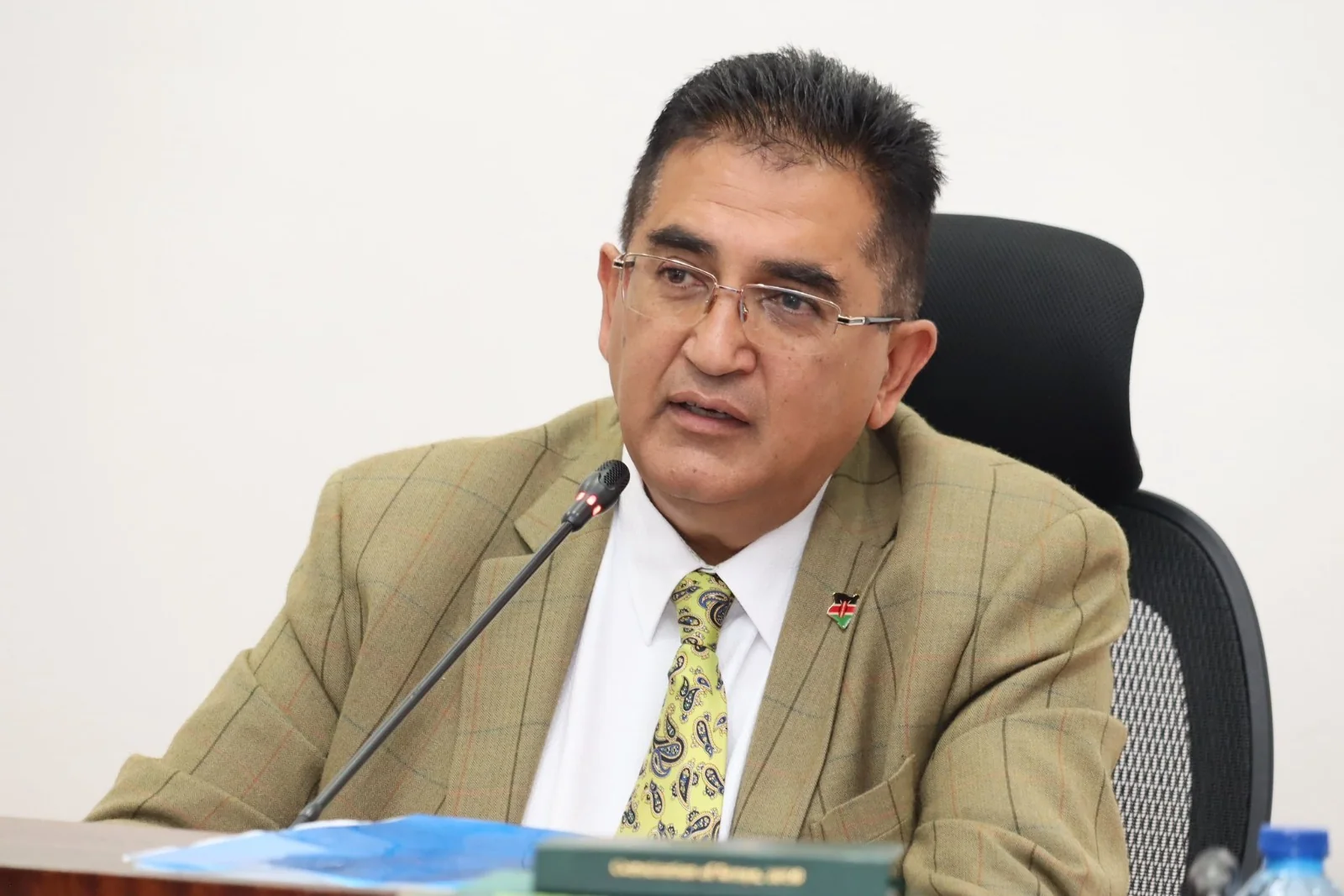
The committee, chaired by Vice Chairperson Rahim Dawood, scrutinized the management and operations of the Fund and questioned officials on efforts to combat human trafficking and support victims.
Appearing before the committee, Principal Secretary for Social Protection Caren Ageng’o responded to concerns regarding the Fund's performance, governance structures and implementation of key programs designed to assist trafficking survivors.
One of the issues that drew significant attention was the status of missing children in the country. Officials informed lawmakers that 1,636 children are currently reported missing, although they cautioned against assuming that all cases were linked to abductions or trafficking.
According to the officials, some of the children are in care institutions while others have since been reunited with their families. They added that factors such as parental neglect, family disputes and other social challenges also contribute to missing child reports.
The committee also received an update on trafficking trends in Kenya from Director Marygorret Mogaka, who said women constitute the majority of victims trafficked across international borders, while children account for most trafficking cases occurring within the country.
The revelations prompted lawmakers to seek explanations over delays in operationalizing critical aspects of the National Assistance Trust Fund, with members questioning why implementation had taken several years despite the growing threat posed by human trafficking.
Responding to the concerns, PS Ageng’o acknowledged shortcomings within the ministry and admitted that delays had occurred.
“There had been an anomaly on the Ministry’s part, but the matter has since been addressed and corrective measures have been implemented,” she told the committee.
The Auditor-General's report also highlighted governance concerns, including the absence of an approved Board Charter and questions surrounding the prolonged acting appointment of the Fund Secretary.
Officials explained that a draft Board Charter had already been prepared and would be validated and adopted once a new board is constituted.
On the appointment of the Fund Secretary, the ministry clarified that the arrangement complies with the Counter-Trafficking in Persons Act, which allows the Board Secretary to be designated from among serving ministry officers.
Speaking during the session, Dawood emphasized the need for stronger interventions to protect vulnerable groups from exploitation and trafficking while ensuring resources allocated to support victims are managed prudently and transparently.
“Protection of trafficking victims, especially children and women, must remain a priority, and the resources meant to support them must be utilized effectively,” he said.
The committee is expected to follow up on the implementation of the Auditor-General's recommendations and monitor reforms aimed at strengthening the Fund's governance and service delivery.
Human trafficking remains a major concern in Kenya, with authorities and civil society organizations continuing to push for stronger prevention measures, victim support systems and prosecution of traffickers.



Comments
Sign in with Google to comment, reply, and like comments.
Continue with Google