Political analyst defends infrastructure spending in northern Kenya
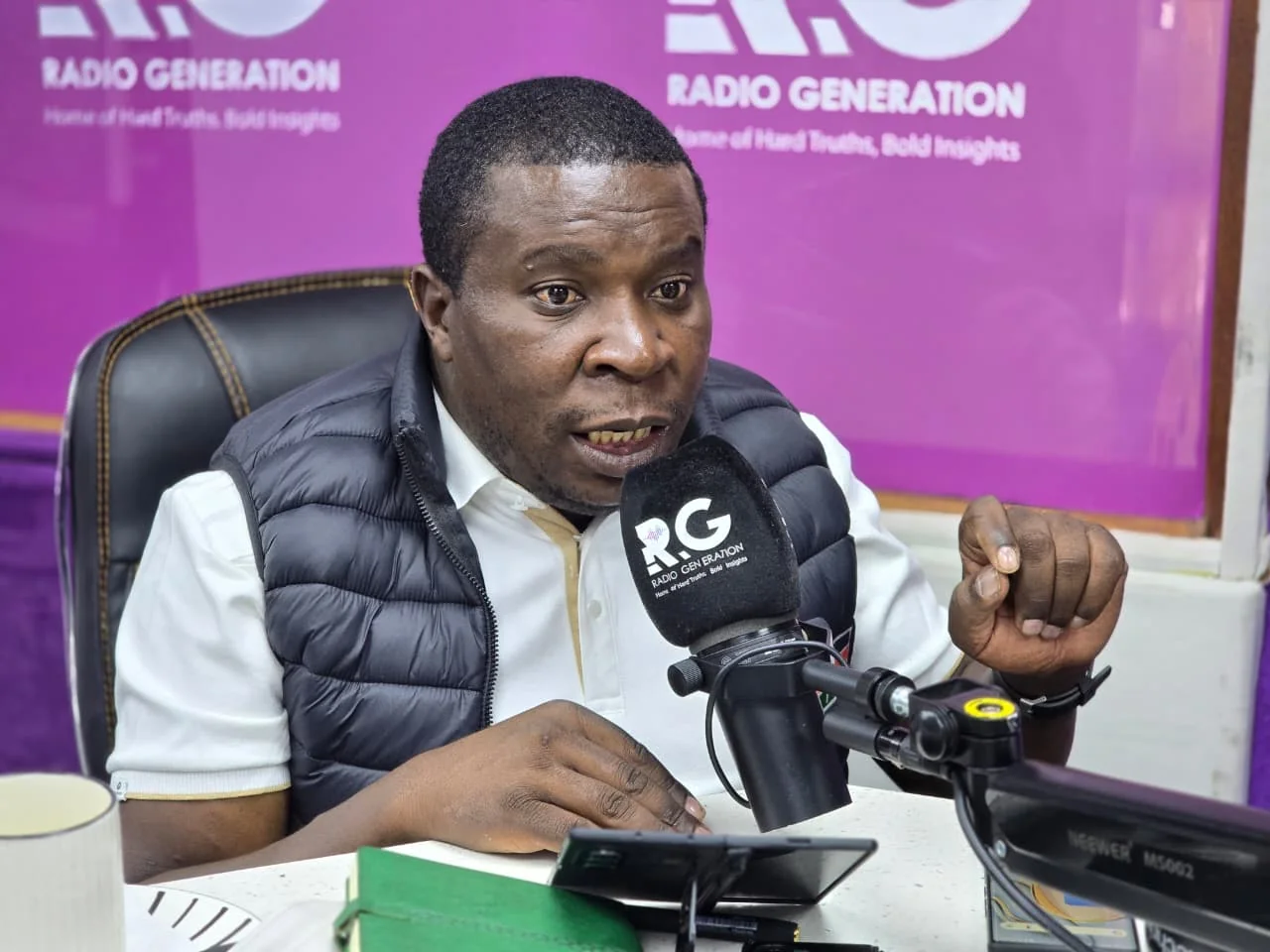
Speaking on Radio Generation on Monday, Mucendu pointed to the 1965 Sessional Paper No. 10, a post-independence policy document widely criticised for prioritising investment in areas deemed to have high economic potential while sidelining others.
Political analyst Peter Mucendu has defended the government's infrastructure-focused spending, arguing that it is essential to correcting decades of historical neglect in northern Kenya and laying the foundation for long-term economic growth.
Speaking on Radio Generation on Monday, Mucendu pointed to the 1965 Sessional Paper No. 10, a post-independence policy document widely criticised for prioritising investment in areas deemed to have high economic potential while sidelining others.
"If you look at what that paper did to the North Eastern region, it actually, in plain black and white, declared there is a useful Kenya, and then there is a useless one," he said. "When you look at what the President is doing for that region, he is actually rewriting the history of Northern Kenya."
Mucendu cited ongoing projects in Mandera and the wider northern corridor, including the planned Isiolo-Mandera road project and affordable housing initiatives, as examples of efforts aimed at integrating a region long left behind.
"We are looking at rewriting the history of Mandera," he said, referring to investments under the Horn of Africa Gateway Development Project and the construction of about 3,000 affordable housing units.
Defending the government's decision to allocate a significant share of the budget to infrastructure, Mucendu argued that development begins with foundational investments.
"What exactly do you need to do for a country to move?" he asked. "Any country that is going to go to the next level, including the famous Singapore, starts everything with infrastructure."
Drawing parallels with the Konza Technopolis project, he said roads, electricity networks and other supporting systems were necessary to attract future investment.
"The infrastructure, the horizontal structure, right now investors have started to go vertical because we laid the foundation," he said.
Mucendu also rejected suggestions that increased health spending reflected a deterioration in public health.
"When government is putting more money in health, it doesn't mean that Kenyans are becoming more sick," he said. "It means that the government continues to expand health coverage in this country."
He pointed to the involvement of the Kenya Defence Forces in constructing hospitals and other public projects, saying it demonstrated a more efficient use of state institutions in delivering development.
"If someone chooses not to see anything good about the budget or anything good about government, they will continue," Mucendu said. "At some point, we need to ask ourselves, are you being objective?"
His remarks come weeks after President William Ruto issued a public apology to the people of Northern Kenya for decades of marginalisation by successive administrations.
Speaking during the Madaraka Day celebrations in Wajir on June 1,2026, Ruto acknowledged that past state policies had failed the region and pledged to address the historical injustices through targeted development.
"On behalf of the government and on my own behalf, I apologise to the people of Northern Kenya for the years of neglect and marginalisation," the President said.
"For too long, some said this region was too difficult, too remote, too dry and too insecure to deserve development. That was wrong then, it is wrong now, and it will forever remain wrong," he added.
Ruto said his administration was committed to ensuring that residents of the region enjoyed equal opportunities and access to public services.
"The era of exclusion is behind us. Northern Kenya is part of Kenya, and its people deserve the same dignity, opportunities and development as every other Kenyan," he said.



Comments
Sign in with Google to comment, reply, and like comments.
Continue with Google