Treasury sets Sh110.2bn for youth jobs, women funds and enterprise growth
These targeted allocations sit alongside complementary measures intended to deepen industry links and stimulate job creation
Kenya’s 2026/27 national budget has set aside a combined Sh110.2 billion targeting youth and gender programmes, alongside wider industrial and manufacturing investments aimed at expanding jobs, enterprise growth and economic inclusion across the country.
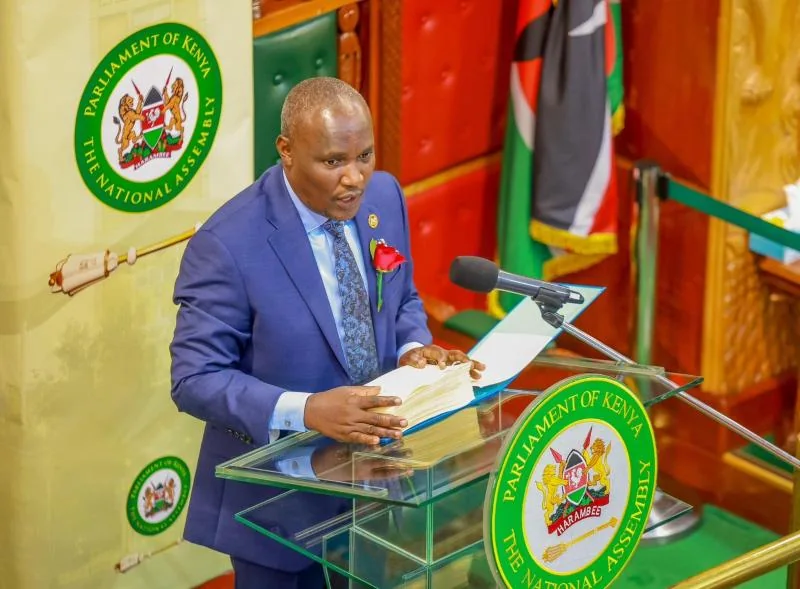
Treasury Cabinet Secretary, while presenting the Budget Highlights and Revenue Raising Measures for the financial year in Parliament on Thursday, outlined that the funding package is designed to strengthen entrepreneurship, internships and linkages between learning institutions and industry in order to expand employment opportunities.
A major share of the allocation has been directed to key youth-focused programmes, with Sh12.5 billion set for the National Youth Service, Sh4.9 billion for the Nyota opportunity project, Sh1.6 billion for a youth employment support programme, Sh402 million for the Women Enterprise Fund, and Sh4.9 billion for the National Government Affirmative Action Fund.
According to the Treasury, these interventions are meant to widen access to jobs and business opportunities, while also supporting young people to transition into work and enterprise.
The Cabinet Secretary said the broader strategy is anchored on linking skills development with real labour market needs, noting that the package is intended to promote entrepreneurship, internships and stronger industry connections.
Alongside the youth and gender programmes, the budget introduces additional measures aimed at strengthening industrial growth and innovation. The Treasury has proposed Sh500 million for the construction of industrial research laboratories expected to support innovation, internship placements and collaboration between industry and learning institutions.
In the manufacturing sector, Sh16.7 billion has been allocated to support job creation and industrial expansion. This includes Sh2.6 billion for county integrated agro-industrial parks, Sh5.4 billion for access to finance and enterprise recovery projects, and Sh2.4 billion for the Kenya Jobs and Economic Transformation programme.
“These measures will deepen industrial clustering and create high-quality jobs.” Mbadi noted.
The Treasury has framed these investments as part of a broader plan to strengthen value chains, improve productivity and create structured pathways for young people entering the labour market.
Further emphasis has been placed on inclusion and support for small enterprises, with the National Government Affirmative Action Fund and the Women Enterprise Fund highlighted as key tools for expanding participation in economic activities, especially among women-led businesses and small and medium enterprises.
The programmes are described as aimed at “enhance their inclusion, dignity, and economic participation,” with a focus on reducing barriers that limit access to markets and financial support.
While education spending remains a major component of the national budget, the youth and women-focused allocations are positioned specifically to address unemployment and promote enterprise development.
The strategy combines financial support, skills development and industrial infrastructure in an effort to link training directly with job creation and private sector demand.
Attention is now expected to shift to how effectively the programmes will be implemented, including the speed of disbursement and coordination between government agencies and private sector players.
The success of the plan will depend on whether planned investments are translated into internships, formal employment and sustainable business opportunities for young people.
Effective roll-out, timely funding and strong partnerships between government and industry are expected to play a central role in absorbing new entrants into the economy.
Monitoring systems and clear performance tracking have also been implied as necessary to ensure that resources reach intended beneficiaries and deliver measurable outcomes.
If fully implemented as intended, the budget could expand employment pathways, strengthen youth enterprise growth and improve economic inclusion. However, delays or weak execution could limit the impact of the allocations and slow down job creation efforts across the country.




Comments
Sign in with Google to comment, reply, and like comments.
Continue with Google